

Something is shifting in how British couples think about their homes. Not the kitchen, not the open-plan living space with its carefully arranged bookshelves, but something quieter and more personal. Intimacy interiors, the deliberate design of spaces within the home that prioritise sensory experience, emotional connection and physical presence, are becoming a genuine cultural conversation. I’ve noticed it in the way interiors accounts have started posting dimly lit bedrooms with heavy linen and blackout curtains as aspirational content, and in how specialist makers are reporting longer order books than ever before.
This is not about soft furnishings for their own sake. It is about intention. The idea that a space within your home can be designed to slow you down, to heighten sensation and to create a context for intimacy rather than just happening to be where your bed is.
Why the dedicated intimacy space is having a moment in Britain
British homes have always been private sanctuaries, but the pandemic fundamentally changed how people relate to the rooms they live in. According to the Office for National Statistics, relationship quality during extended periods of home confinement became a significant driver of general wellbeing. What followed, in the years since, is a recalibration. People started asking more of their domestic spaces.
The wellness conversation played into this too. As British women started exploring alternative wellness rituals like breathwork and sound baths, the logic of designing a specific space for a specific kind of experience became more familiar. If you can have a corner of the house for meditation, why not one designed purely for connection with a partner?
What makes the current trend distinct is the aesthetic rigour being applied. This is not a candle on a bedside table. People are making considered decisions about materials, furniture, light temperature and acoustic softness, treating the intimacy space with the same design seriousness they would give a dining room or home office.
The design elements that actually change how a space feels
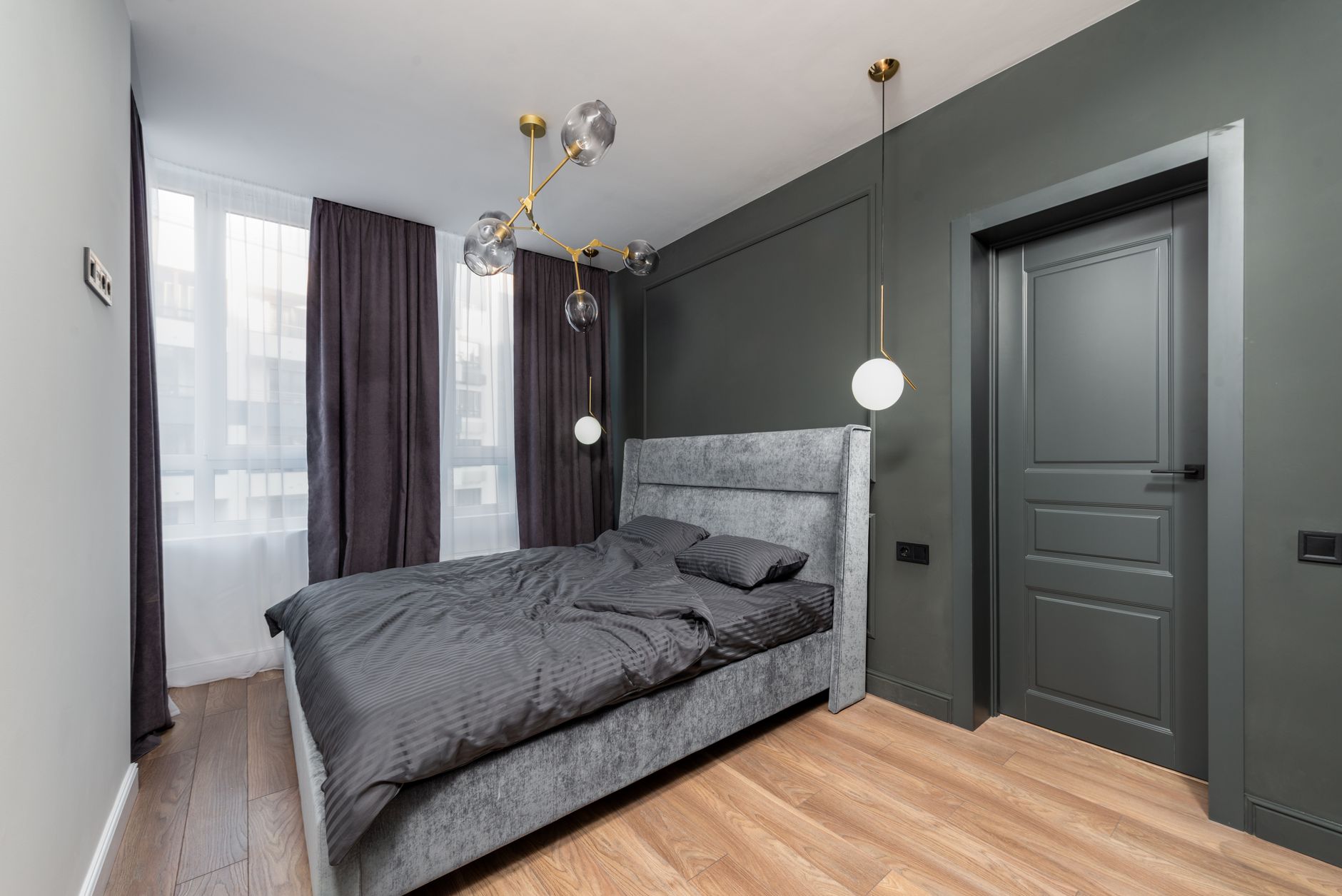
Mood lighting is probably the single most impactful lever. Warm, low-output bulbs, ideally on a dimmer, shift a room’s atmosphere entirely. Colour temperature in the range of 2200K to 2700K, the amber-warm end of the spectrum, is what most lighting designers specify for intimate spaces. Filament bulbs and indirect uplighting both work here; overhead spotlights generally do not.
Textiles are the second major consideration. Heavy velvet, brushed cotton, real wool and textured linen all create a tactile environment that invites touch and stillness. The sensory quality of a fabric against skin matters enormously in a space designed for physical closeness. Many British makers supplying this end of the market, from upholsterers to independent textile designers, have noticed demand for heavier, more enveloping fabrics specifically for bedroom and intimate space projects.
Furniture is where things get more specific, and more interesting. The move toward bespoke, purpose-built pieces for intimacy spaces reflects a broader appetite for things that are made for a function rather than simply adapted from something general-purpose. Handcrafted pieces in solid wood or upholstered hardwood frames carry a quality and permanence that mass-produced furniture cannot match. Based in Boston, Lincolnshire, My Dungeon handcrafts premium sex furniture UK buyers are increasingly seeking out, including spanking benches, bondage frames and restraining seats, producing bdsm furniture and bondage furniture that serves a very specific experiential purpose within a well-considered intimate space. Their site, https://www.mydungeon.co.uk/, reflects a maker’s seriousness about craft: these are not novelty pieces but functional, durable items built to last. The demand for this kind of purposeful bdsm equipment from British makers points to something real: people want furniture that is honest about what it is for.
How British couples are approaching the spatial design
Most people working on an intimacy interiors project are not converting entire rooms, at least not initially. The more common approach is a section of an existing bedroom or a spare room that has been stripped back and intentionally dressed. The principle is the same whether you are working with a 3-metre box room in a Leeds terraced house or a larger space in a converted barn: reduce visual noise, increase sensory quality.
Walls in deep, matte colours, charcoal, petrol blue, oxblood, act as a backdrop that absorbs light rather than reflecting it. Mirrors used intentionally, rather than as a quick fix for a small room, add both visual interest and a sense of theatre. Sound matters too: a thick rug and heavy curtains reduce the hard acoustic surfaces that make a room feel clinical.
Storage is worth thinking about carefully. Part of what makes a dedicated space feel different from the rest of the house is the absence of the everyday. If the intimacy space doubles as somewhere you pile clean laundry, it is not doing its job. Built-in or concealed storage helps keep the visual environment clean.
The maker economy behind this trend
One of the more compelling aspects of the intimacy interiors movement is who it is bringing into view. British craft makers, many of them small operations working in workshops across the country, are finding audiences for work that previously existed in a fairly niche corner of the market. The appetite for well-made, purpose-built pieces is growing because people are investing more seriously in these spaces.
My Dungeon’s output sits within this broader picture. As a Lincolnshire maker producing dungeon furniture and bondage bench pieces alongside spanking bench and restraint furniture designed for real domestic use, they represent a craft tradition applied to a market that is becoming more mainstream in its ambitions, even if not in its specifics. The quality of materials and the longevity of handmade construction are exactly what intimacy interior designers are looking for when they move beyond off-the-shelf solutions.
There is also a related conversation happening in how British people are editing and curating their personal environments more broadly. The same instinct that drives a wardrobe audit, removing what is not earning its place, is being applied to living spaces. An intimacy room with six objects in it, all chosen deliberately, says something different to a room that has accumulated furniture without intention.
What to actually invest in if you are starting from scratch
If I were putting together an intimacy space from the ground up, I would start with lighting and not move on until I had it right. A decent dimmer switch and two or three warm-output bulbs on separate circuits will do more than almost anything else. After that, textiles: a weighted blanket, heavy curtains that fall to the floor, real linen or cotton rather than polyester microfibre.
Furniture comes third, and this is where you decide how specific you want to be. A well-upholstered ottoman or a bespoke chaise longue can serve a broadly sensory purpose. If your intentions are more specific, the case for purpose-built pieces becomes stronger, and that is where makers like those referenced here come in. The principle across all of it is the same: buy less, buy better, and make sure every element earns its place in the room.
This is also where the capsule wardrobe logic translates neatly into interior thinking. A few carefully chosen pieces, designed for their actual purpose, will always outperform a room full of approximate solutions.
Frequently Asked Questions
What is the intimacy interiors trend?
Intimacy interiors refers to the deliberate design of spaces within the home, whether a full room or a section of a bedroom, to prioritise sensory experience and connection. It involves considered choices around lighting, textiles, acoustics and furniture rather than treating the bedroom as a functional afterthought.
How do I make a room feel more intimate without spending a lot of money?
Lighting is the highest-impact, lowest-cost change you can make. Fit warm-temperature bulbs (around 2200K) on a dimmer switch and remove overhead lighting from the space. Adding heavy curtains and a thick rug to absorb sound are the next most effective steps.
What colours work best for a dedicated intimacy space?
Deep, matte colours like charcoal, oxblood, navy and forest green absorb rather than reflect light, which helps create a cocooning atmosphere. Avoid bright whites and high-sheen finishes, which make a room feel clinical and visually busy.
Where can I find bespoke furniture for an intimacy or sensory space in the UK?
British craft makers are increasingly producing purpose-built pieces for intimacy spaces. Some, like My Dungeon in Lincolnshire, specialise in handcrafted bdsm furniture and bondage equipment with free UK shipping. For more broadly sensory furniture, look to UK upholsterers and bespoke joinery firms.
Leave a Reply