

Something shifted. After years of trainers ruling every occasion from board meetings to birthday dinners, heels are back on British pavements in a serious way. Not the agonising stilettos of the early 2000s, and not the chunky platforms that briefly filled the gap, but something more considered: the power heel. Architectural, deliberate, and genuinely wearable. The statement heels trend UK 2026 isn’t a throwback. It’s a reinvention, and I’d argue it’s one of the more interesting things to happen in footwear in the last decade.
Why heels fell out of favour in the first place
Let’s be honest about the timeline. The pandemic accelerated a shift that was already happening. When offices closed and social life collapsed, the trainer became the default, and then the standard, and then the expectation. Comfort became the only acceptable selling point. Anything that required effort felt performative, even a little suspect.
But the flat-shoe era also coincided with a broader conversation about who heels were for and what they were asking women to endure. That conversation was necessary. The issue was never the height. It was the construction: cheap materials, no arch support, no consideration for how a foot actually moves. The shoe industry, to its credit, listened. Slowly.
What comfort engineering actually means for the modern heel
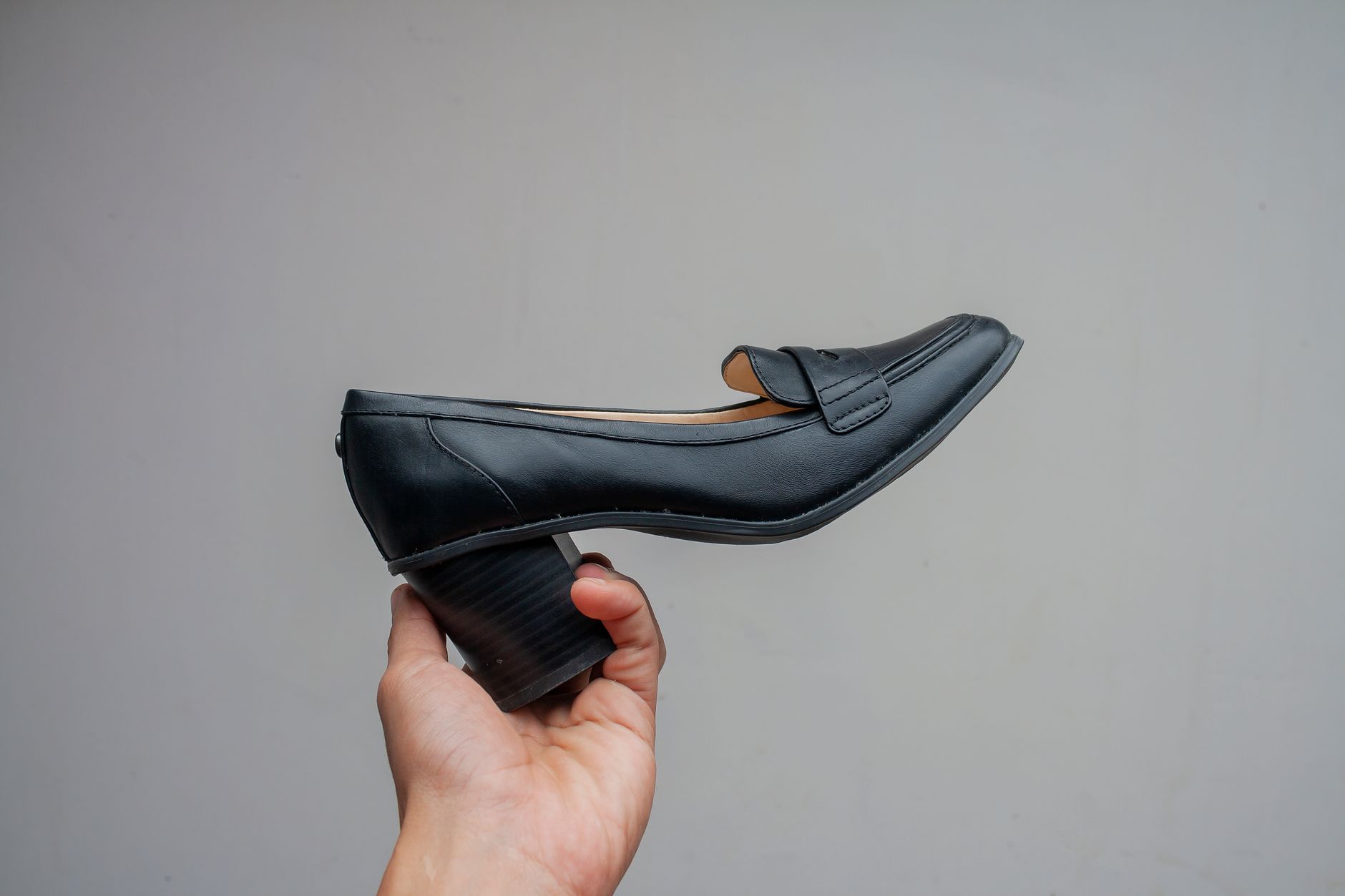
The real story behind the statement heels trend UK 2026 is engineering. Brands like designers covered by The Guardian’s fashion desk have been documenting a shift in how luxury and mid-market footwear brands approach construction. Memory foam insoles, wider toe boxes, lower pitch angles that redistribute weight more evenly across the foot, and block heels wide enough to provide genuine stability rather than the illusion of it.
The result is a heel you can wear on a tube platform, walk across cobblestones in, and still look sharp doing it. I’ve worn a pair of square-toe block heels across London for a full eight-hour day and not hated myself by 6pm. That wasn’t possible five years ago with anything under £400. Now it’s accessible at multiple price points on the high street.
The silhouettes actually leading the revival
Not every heel is having its moment equally. These are the shapes that keep appearing on British streets, in office lifts, and at the kind of gallery openings where people actually know what they’re wearing.
The kitten heel, reconsidered
The kitten heel spent years being dismissed as a compromise, the option you chose when you wanted to look like you were wearing heels without committing. That reputation is gone. The 2026 version is sharper: a pointed toe, a 4 to 5 centimetre heel with a sculptural taper, often in satin or leather with minimal embellishment. Paired with wide-leg tailored trousers or a midi skirt with structure, it reads as deliberate and current rather than tentative.
The block-heeled mule
This is the workhorse of the revival. A low to mid block heel, open back, often in suede or a matte leather tone. It transitions easily from a work outfit into an evening look without requiring a shoe change. The block heel specifically is where comfort engineering has made the biggest leap; the wider base means the weight distribution is completely different from a classic stiletto.
The sculptural mid-heel
This is the one that signals genuine investment. Flared heels, curved geometric shapes, heels that look like architecture. Brands producing these at a demi-fine level are speaking to the same consumer who’s shifted her jewellery budget towards pieces with longevity, which is a trend I’ve been watching closely. If you’ve read about how British women are spending on demi-fine jewellery that outlasts fast fashion, the parallel with sculptural footwear is exact. Same logic, same customer.
How to style statement heels for modern city life
The styling conversation around heels has also moved on. The old formulas, heels with a pencil skirt, heels with a bodycon dress, feel exhausted. The more interesting combinations are unexpected.
Wide-leg denim with a sharp kitten heel is the silhouette I keep returning to. The proportion is counterintuitive and that’s exactly why it works. Similarly, a tailored short in a heavyweight fabric, wool or linen, with a block-heeled mule creates the kind of smart-casual tension that feels genuinely of the moment. If you’ve already invested in the linen tailoring trend that’s been dominating the British high street, a structured mid-heel is the obvious next step to pull the whole look together.
The other shift worth noting is heel height relative to occasion. The idea that taller automatically means more dressed-up has dissolved. A 7cm sculptural heel at a creative agency or a gallery feels entirely right. A 10cm stiletto at the same location feels like a costume. The power is in the shape now, not the height.
The wardrobe investment argument
There’s a practical case here too. If you’ve been thinking carefully about what you’re actually buying and wearing, cost-per-wear logic applies to footwear as much as clothing. A well-constructed heel in a neutral or versatile colour, worn consistently across multiple outfit contexts, delivers better value than three pairs of trend-driven flat sandals you use for a single summer.
The wardrobe heat mapping approach British women have been applying to their clothes works for shoes too. If a pair sits in your wardrobe unused, it’s expensive regardless of the original price. A heel that becomes your default for office days, evening plans, and social occasions earns its keep quickly.
According to the ONS, clothing and footwear costs have remained under pressure with rising household budgets, which makes the case for buying fewer, better things even stronger. A £180 well-engineered block heel that you wear 80 times costs you £2.25 per wear. Three pairs of £35 trend pieces you wear twice each cost significantly more.
What this says about where British style is heading
The statement heels trend UK 2026 is part of something larger. There’s an appetite for dressing with more intention, for pieces that feel considered rather than reactive. Trainers aren’t going anywhere; they’re just no longer the only acceptable answer. The return of the heel is really the return of choice, and the engineering improvements mean that choice no longer comes with a physical cost attached.
British women are building wardrobes that actually reflect how they want to live and move through the world. Footwear that works for a long day, looks good, and doesn’t require suffering to wear is a reasonable ask. The industry finally caught up.
Frequently Asked Questions
What heel styles are trending in the UK in 2026?
The key silhouettes are the sculptural mid-heel, the block-heeled mule, and the pointed kitten heel. All three prioritise shape and structure over extreme height, making them practical for city wear whilst still being visually striking.
Are statement heels actually comfortable now?
Modern comfort engineering has genuinely changed what heels feel like to wear. Wider toe boxes, memory foam insoles, and block heel construction that distributes weight more evenly mean mid-height heels in particular can be worn all day without the discomfort associated with older styles.
How do you style heels with casual outfits in 2026?
Wide-leg denim with a kitten heel or a linen trouser suit with a block-heeled mule are the most current combinations. The unexpected proportion between a relaxed silhouette and a structured heel is where the visual interest lies right now.
What is the best heel height for everyday wear?
Between 4 and 7 centimetres is the most practical range for a full day on your feet. This height range, particularly in a block or flared heel shape, gives the lifted silhouette without the strain associated with taller stiletto styles.
Leave a Reply