

There is a specific type of Saturday that a lot of British women know too well. You pay £65, you sit in a draughty community hall somewhere in Hackney or Clifton, someone plays a tibetan singing bowl next to your left ear, and you leave feeling vaguely emotional and deeply uncertain whether that was profound or just dehydration. The alternative wellness world has always had this problem. The line between a genuinely transformative practice and a well-marketed one-off is not always obvious when you are standing barefoot on a cork mat wondering why you agreed to this.
I’ve spent the better part of the past two years trying to figure out which of these practices have actually built roots in British life, real community, real regulars, real infrastructure, and which ones exist primarily on Instagram and in boutique studio pricing menus. The honest answer is: the split is sharper than you’d expect.
Breathwork: the one that quietly became a weekly habit
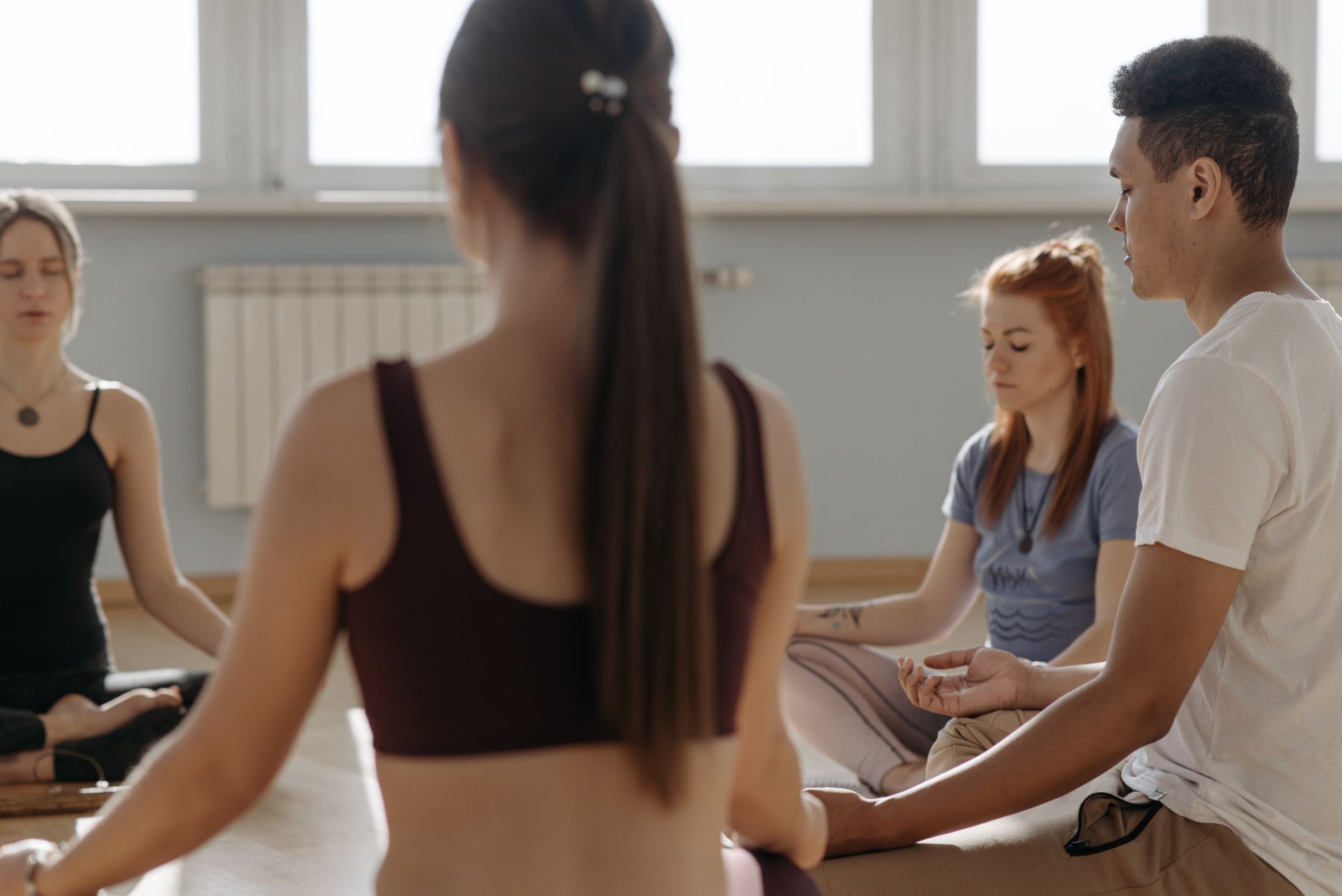
Breathwork is probably the clearest success story in the alternative wellness rituals UK 2026 conversation. Three years ago, it felt like a wellness influencer’s weekend project. Now, you can find weekly breathwork classes in most mid-sized British cities, Edinburgh, Bristol, Manchester, Leeds, Birmingham, with waitlists. Studios like Radiant Light in London and independent facilitators across the country have built loyal return audiences, which is the real test.
Why does it stick? Partly because it is free to do at home once you have learnt the basics. Wim Hof-adjacent techniques, box breathing, holotropic-style sessions, there is enough accessible information that people can build a personal practice without paying £80 a week. That low ongoing cost of entry matters enormously in Britain right now, where people are watching their spending far more carefully than they were in 2021. The ONS health and wellbeing data consistently shows that self-managed, low-cost wellness practices have the highest retention rates. Breathwork fits that model perfectly.
There is also a body of credible research behind it. Controlled breathing demonstrably affects the autonomic nervous system, this is not contested. That scientific legitimacy gives people permission to keep going, to talk about it to their colleagues without feeling like they need to preface it with ‘I know this sounds a bit odd but.’
Sound baths: genuinely popular, but mostly a treat rather than a ritual
I enjoy a sound bath. I’d be dishonest if I didn’t say that. Lying in a warm room while someone works through a set of crystal or brass bowls is legitimately restful, and the physiological effect on heart rate is real. But I’d also say this with equal conviction: most British women I know treat sound baths the way they treat a massage, a quarterly indulgence, not a weekly anchor.
The venues offering sound baths are multiplying across the UK, from the Float Space in Brighton to independent practitioners in market towns. The problem is the price point relative to what you actually take away. A single session typically runs between £25 and £55. That is fine as an occasional treat. But it is hard to build a personal practice around something that requires a facilitator, a space, and a £40 entry fee every time. The people who have genuinely integrated sound into their wellness lives have mostly bought a single instrument, a small tongue drum, a tuning fork set, a simple handpan, and figured out a home version. That shift from paid experience to personal practice is the real indicator of longevity.
Cacao ceremonies: peak aesthetic, minimal staying power
Cacao ceremonies had a moment. A very specific, very 2022-to-2024 moment. The idea, drinking ceremonial-grade cacao in a group setting, often with breathwork or meditation woven in, drawing on Mesoamerican traditions, is genuinely interesting. Theobromine, the active compound in cacao, does have mild mood-elevating and heart-opening effects. This is not entirely invented wellness theatre.
But here is what I noticed: the cacao ceremony scene in the UK produced a lot of one-time attendees and very few regulars. The workshops were expensive (often £45 to £90), the format was heavily facilitator-dependent, and the community infrastructure never really solidified the way it has around, say, breathwork or yoga. Many of the practitioners who were running packed Saturday sessions in 2023 have quietly pivoted to offering cacao as one element within a broader retreat or sound bath experience rather than as a standalone offering. That tells you something.
This is a pattern I’ve seen repeatedly in the way British women are currently relating to wellness broadly, there is a growing preference for practices that can be owned personally rather than ones that require you to keep paying someone to facilitate the experience for you. The cacao ceremony, beautiful as the ritual is, sits firmly in the second camp.
Cold water therapy: the one that went genuinely grassroots
Lido memberships are sold out. Wild swimming groups have six-month waiting lists. The Serpentine Lido in Hyde Park now operates a ballot system for summer membership. Cold water therapy moved from alternative wellness ritual to mainstream British habit faster than almost anything else, and I’d argue the reason is structural: it is free, it is outdoors, it happens in community, and the results are felt immediately and unmistakably.
The social element matters enormously here. Wild swimming groups across the country, from the Hampstead Heath Ladies’ Pond to groups in Derwentwater and the River Exe, have become genuine communities. That is what separates a lasting alternative wellness rituals UK 2026 trend from a passing workshop economy: does it generate its own social infrastructure? Cold water therapy absolutely has.
The workshop economy vs the personal practice
This is the real distinction I keep coming back to. The alternative wellness practices that have built genuine staying power in British life share one characteristic: they can be extracted from the workshop setting and made personal. Breathwork, cold water immersion, movement practices like qigong or yoga, all of these have large communities of people who started with a paid class and now maintain a personal daily or weekly practice at no ongoing cost.
The ones that faded, cacao ceremonies, some forms of shamanic drumming, sound journey experiences, are largely experiences you can only have in a specific paid setting. That does not make them worthless. It just means they function as occasional treats rather than lifestyle anchors. There is a difference, and I think a lot of British women are getting much better at identifying it before they hand over £75 on a rainy Sunday.
If you are thinking about how alternative wellness rituals fit into a broader approach to how you live and what you wear and consume, it is worth reading about how perimenopause awareness is reshaping what British women choose to buy, because the two conversations are more connected than they appear. And if you are building a lifestyle around genuine self-care rather than curated self-care aesthetics, the same interrogation applies to your wardrobe. The questions worth asking about an alternative wellness ritual, does it serve me, or does it just look like it does?, are exactly the ones worth asking about your wardrobe during a proper audit.
The best alternative wellness practices are not the most photogenic ones. They are the ones you still do six months after the workshop high wore off, ideally in your own kitchen at 7am, for free.