

The luxury resale market is no longer a niche corner of fashion. It is a fully-fledged industry, and in the UK alone it is worth billions. Whether you are hunting for a classic Burberry trench, a nineties Vivienne Westwood corset, or a barely-worn Bottega Veneta tote, buying vintage luxury designer pieces has never been more accessible. What has changed is the level of sophistication involved. The fakes are better. The platforms are smarter. And the styling game has moved on entirely.
This guide covers everything you need to know: how to spot authenticity before you part with serious money, which platforms are actually worth your time, and how to wear pre-loved finds in a way that feels current rather than costume.
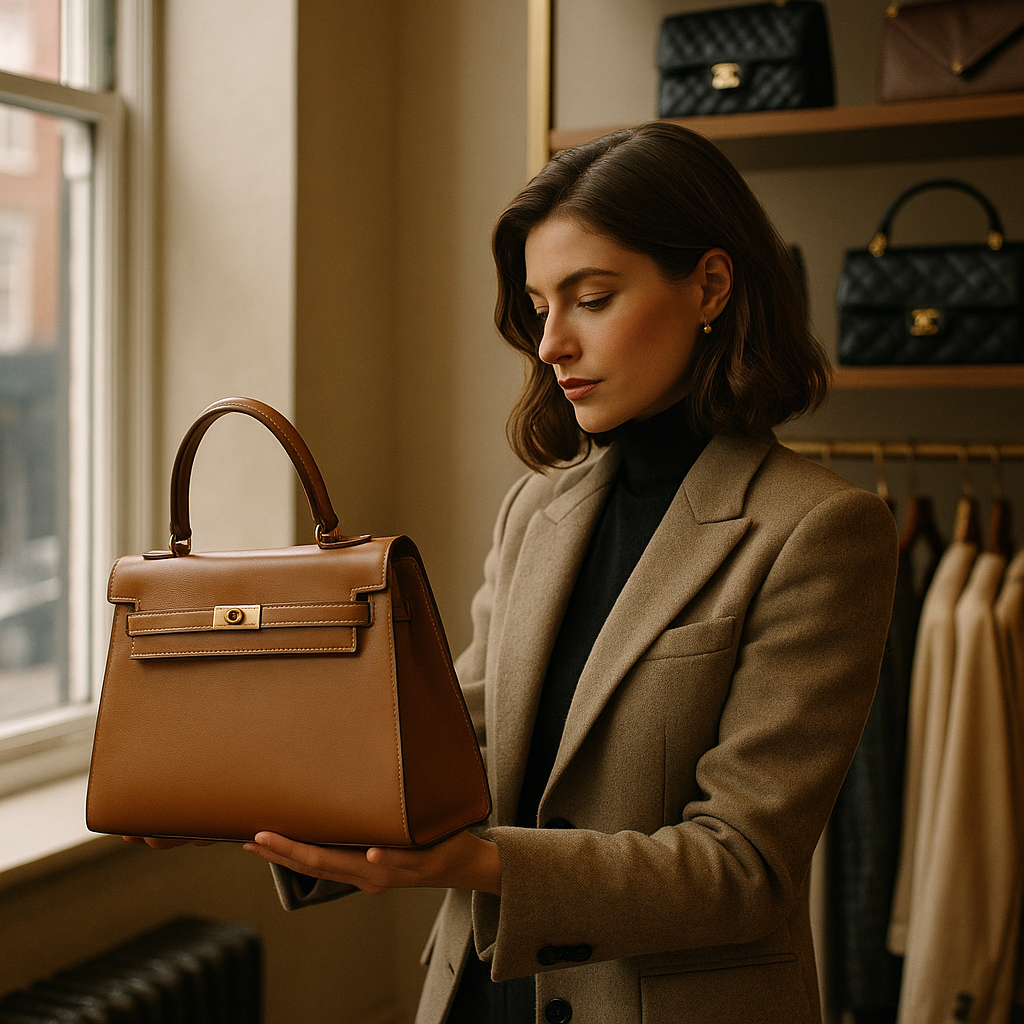
Why the Luxury Resale Market Is Booming Right Now
Resale has had a serious glow-up. According to a 2025 report from ThredUp and Bain and Company, the global secondhand luxury market is projected to outpace the primary luxury market by 2027. In the UK, platforms like Vestiaire Collective and Vinted have seen explosive growth, with Vestiaire reporting that British users make up one of their largest audiences in Europe.
The reasons are layered. There is the obvious financial one: buying a pre-owned Chanel flap bag at 60% of its original retail price makes financial sense, especially when some luxury handbags have appreciated faster than ISAs over the past decade. But there is also an identity piece here. Gen Z and millennial shoppers are increasingly drawn to pieces with history. Wearing something that has had a life feels more interesting than pulling a box-fresh item off a rail at Selfridges.
Sustainability is part of it too, though I would be sceptical of anyone who leads entirely with that. The style angle is just as powerful. Pre-loved luxury is cool. Full stop.
How to Authenticate Before You Buy
This is the part people get wrong most often, and it is where real money can disappear. Buying vintage luxury designer pieces requires a different kind of due diligence than buying new. Here is what to look for.
Check the Hardware and Stitching
Luxury brands are obsessive about detail. Louis Vuitton, for example, always aligns its LV monogram at the seams. Chanel stitching runs at exactly ten stitches per centimetre. If something looks slightly off, trust that instinct. Counterfeiters have improved significantly, but they rarely nail the hardware weight. Real Gucci hardware feels substantial in your hand. Fakes tend to be lighter and show surface scratching far too quickly.
Request Provenance Documentation
Ask for original receipts, dust bags, authenticity cards, and box packaging where available. Not every authentic piece will have all of these, particularly older items. But a seller who cannot produce any supporting documentation for a piece listed at £2,000-plus should raise eyebrows. Legitimate resellers will usually be transparent about what is and is not included.
Use Third-Party Authentication Services
Services like Entrupy and Real Authentication use AI-powered image analysis and specialist reviewers to verify luxury goods. For higher-value pieces, paying £15-£40 for an independent authentication report is money well spent. Several UK-based authentication specialists operate in London and Manchester if you prefer a physical appointment.
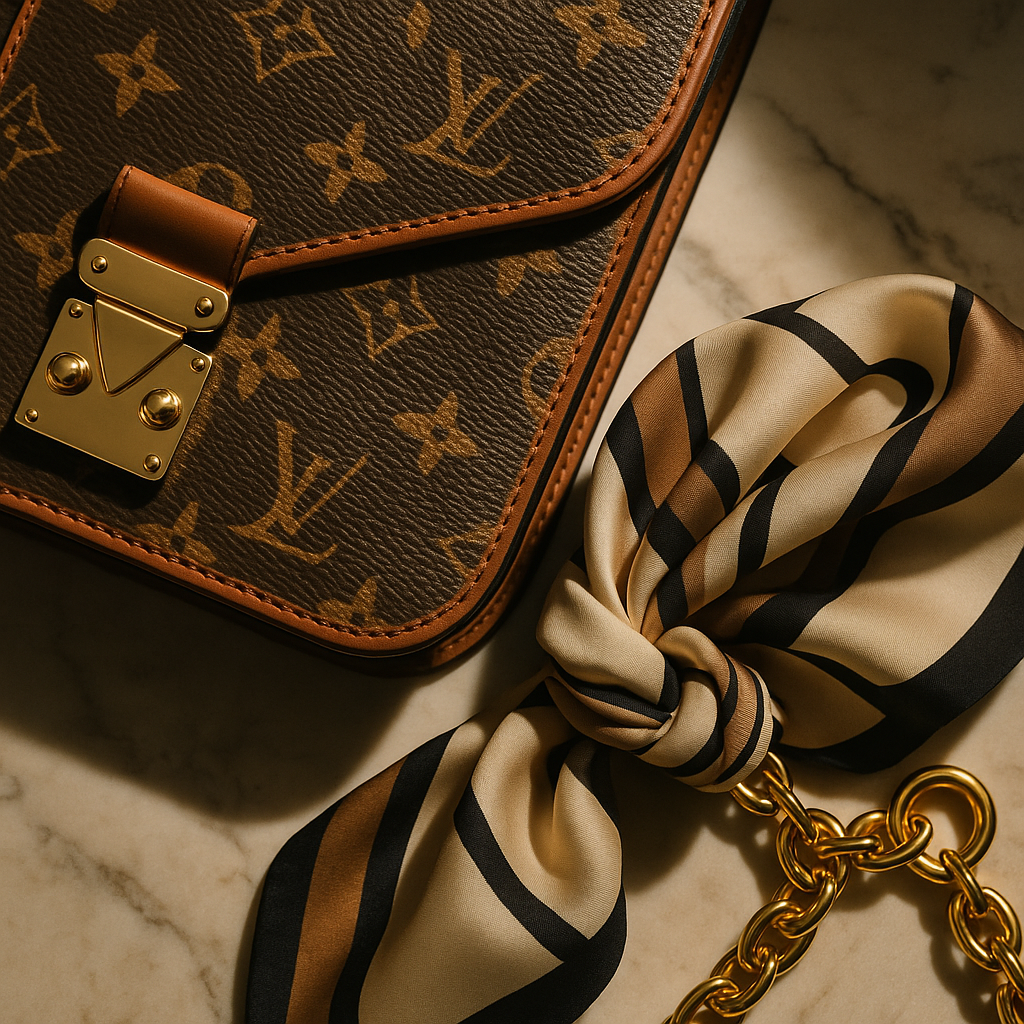
Watch the Price Point
If it looks too good to be true, it usually is. A supposedly authentic Hermès Birkin listed at £800 is not a bargain find. It is a red flag. Understanding approximate market values for the brands you are shopping is essential before you commit to buying vintage luxury designer pieces at any significant price point. The BBC Business has covered the counterfeit luxury trade extensively, and the scale of the problem is significant enough to warrant serious caution.
The Best Platforms for Buying Pre-Loved Designer in the UK
Not all resale platforms are equal. Here is an honest breakdown.
Vestiaire Collective
Probably the gold standard for authenticated luxury resale globally. Vestiaire has its own in-house authentication team and offers buyer protection. The range is enormous, spanning ready-to-wear, bags, shoes, and jewellery. Prices reflect the platform’s reputation, so do not expect bargains, but do expect confidence.
eBay UK
Underrated for vintage finds when you know what you are doing. eBay has invested heavily in its Authenticity Guarantee programme for handbags, trainers, and watches sold above certain price thresholds. Search by completed listings to gauge real market value before bidding.
Hardly Ever Worn It (HEWI)
A London-founded platform that remains one of the most curated in the UK. The sellers tend to be private individuals with genuine wardrobes rather than commercial resellers, which often means better provenance stories and more interesting pieces.
Depop and Vinted
Better suited to contemporary streetwear and mid-range designer pieces than true luxury. Useful for finding vintage Ralph Lauren, Prada Sport from the early 2000s, or Y2K-era pieces, but exercise more caution here since authentication is largely absent.
How to Style Vintage Designer Pieces for a Contemporary Look
Buying vintage luxury designer pieces is one thing. Wearing them with genuine confidence and a modern eye is another. The trap people fall into is treating a vintage piece as a precious museum object, styling an entire outfit around it as if it needs to be protected. The better approach is to integrate it into your existing wardrobe as if it simply belongs there.
A nineties Prada nylon bag pairs effortlessly with a tailored suit and clean white trainers, grounding the look without trying too hard. A vintage Issey Miyake pleat piece worn over a simple ribbed vest and straight-leg trousers signals knowledge of fashion history without being theatrical about it. The key is contrast: let the vintage piece provide the visual weight and let everything else breathe.
Proportion matters more than era-matching. Mixing a structured vintage blazer with fluid wide-leg trousers works because the silhouette is balanced. Trying to reconstruct a full look from a single decade reads as costume rather than style. Trust your instincts about what feels wearable in your actual life, not what looks good in a flat-lay photograph.
Colour is also worth considering. A lot of vintage luxury sits in neutral, timeless palettes: camel, black, chocolate, ivory. These drop into any wardrobe with almost zero friction, which is part of why heritage pieces have staying power. Where you find bold colour or pattern in a vintage find, commit to it. Let it lead.
What to Avoid When Shopping the Resale Market
Skip any platform that does not offer a clear returns policy. Walk away from sellers with no transaction history or reviews. Be especially cautious with social media sellers operating outside established platforms, where buyer protection is essentially non-existent.
Also resist the urge to buy purely because something is cheap. A damaged bag at 80% off is still a damaged bag. Restoration for luxury leather goods in the UK can run to several hundred pounds, and some damage simply cannot be undone. Be selective. One piece you genuinely love and will wear consistently is worth far more than a rail of impulsive buys that never leave the wardrobe.
Buying vintage luxury designer pieces well takes a bit of patience and knowledge, but both are easily acquired. The market rewards people who do the work. And the payoff, both financially and aesthetically, is genuinely hard to beat.
Frequently Asked Questions
How do I know if a vintage luxury designer piece is authentic?
Check stitching quality, hardware weight, serial numbers, and monogram alignment, as authentic luxury goods have obsessive consistency in these details. For high-value items, use a third-party authentication service such as Entrupy or a specialist UK authenticator before purchasing.
Which platforms are best for buying vintage luxury designer pieces in the UK?
Vestiaire Collective and Hardly Ever Worn It are among the most trusted UK-accessible platforms for authenticated luxury resale. eBay UK also offers an Authenticity Guarantee programme on selected categories including handbags and watches above certain price thresholds.
Is buying pre-loved luxury worth it financially?
For many iconic pieces, yes. Certain Chanel, Hermès, and Louis Vuitton bags have appreciated significantly over the past decade, sometimes outperforming traditional investments. Even for everyday wear, buying at resale price means reduced financial risk compared to retail.
How do I style vintage designer pieces without looking like I am wearing a costume?
Mix vintage statement pieces with simple, contemporary basics and let proportion guide the outfit rather than trying to recreate a whole era-specific look. Contrast structured vintage pieces with relaxed modern cuts for a result that feels intentional rather than theatrical.
What should I avoid when shopping the luxury resale market?
Avoid platforms or sellers with no buyer protection, no returns policy, or no transaction history. Be wary of prices that seem dramatically below market value, as these are often indicators of counterfeits. Also factor in potential restoration costs before committing to damaged pieces.