

The soft life fashion trend UK wardrobes have been quietly absorbing for the past year has finally hit full stride in 2026. It is not about slouching. It is not about giving up. It is about choosing fabrics that feel as good as they look, dressing with intention, and refusing to suffer for style any longer. Cashmere joggers worn to a gallery opening. A silk-blend co-ord paired with clean white trainers. A buttery-soft wide-leg trouser that works from your home office to a dinner in town. That is the soft life, and British women are living it unashamedly.
What makes this trend genuinely interesting is how it sits at the intersection of wellness culture and fashion. The pandemic-era obsession with comfort never really disappeared; it evolved. What started as loungewear necessity has been refined into something much more considered. Think less baggy hoodie, more elevated ease. The materials are richer, the silhouettes are intentional, and the overall effect is one of quiet confidence rather than casual indifference.
What Does the Soft Life Fashion Trend Actually Look Like?
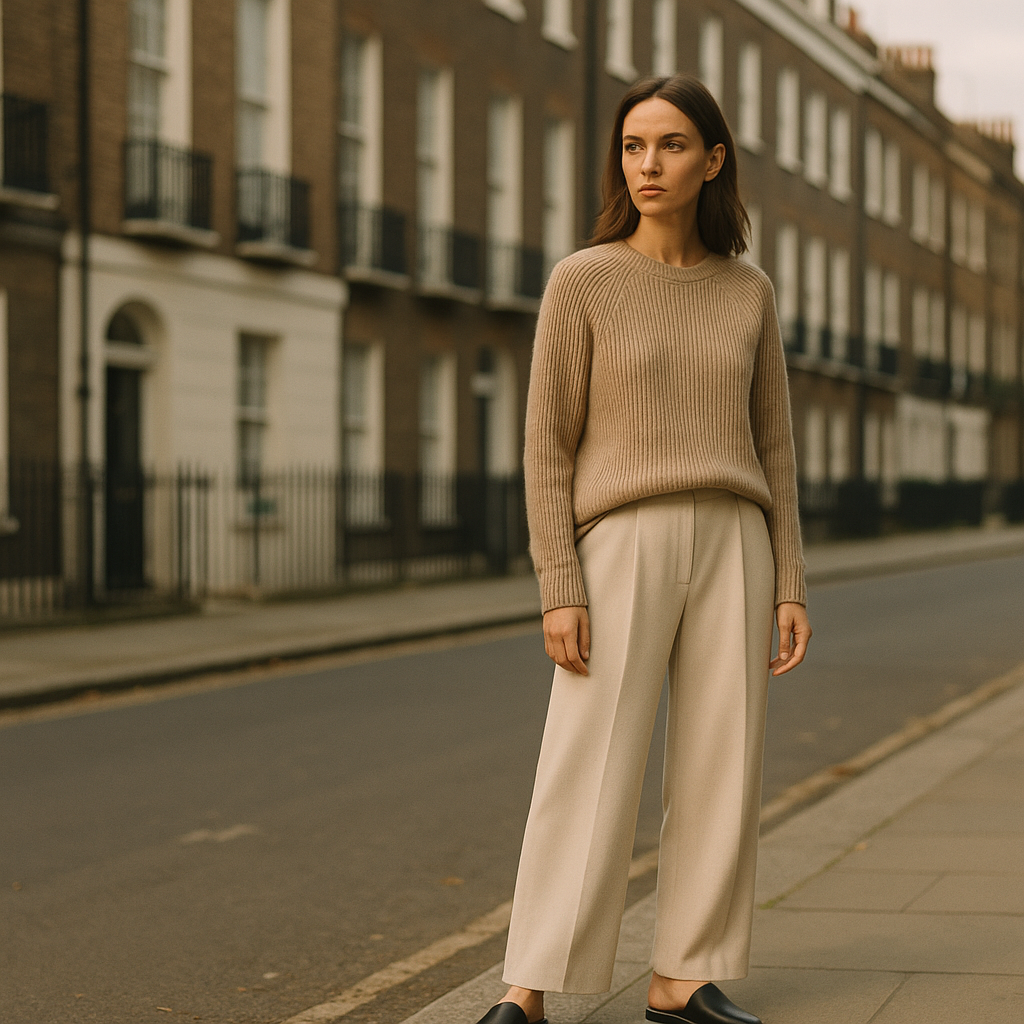
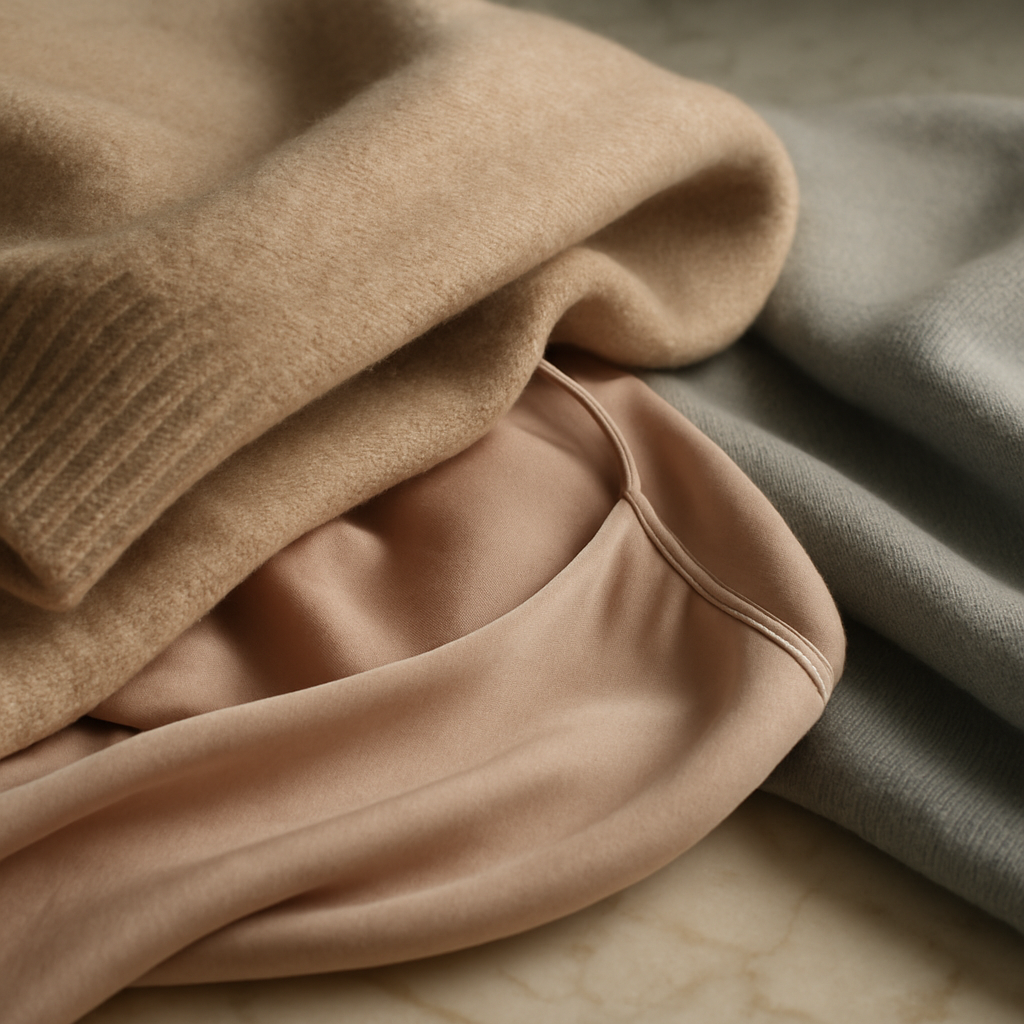
The visual language of soft life dressing is built on a handful of recurring elements. Neutral palettes dominate, oatmeal, cloud grey, dusty blush, warm cream, though a deep chocolate brown or muted sage can slot in perfectly. Textures do the heavy lifting where colour steps back. Ribbed cashmere, brushed jersey, silk charmeuse, modal-cotton blends, and fine-knit merino wool are the signatures. Nothing is stiff. Nothing requires a steamer every morning. Everything moves with you.
Silhouettes lean fluid and relaxed but retain shape. A wide-leg silk trouser with a gentle taper at the ankle. A longline cardigan with clean, straight seams. A ribbed knit dress that skims rather than clings. The trick, and this is where soft life dressing separates itself from simply wearing your pyjamas to Sainsbury’s, is proportion. Balance an oversized knit with a slim-cut trouser. Pair a fluid silk top with structured mule slides. The ease is deliberate, not accidental.
UK Brands Leading the Soft Life Movement
Several British brands and high-street stalwarts have leaned hard into this aesthetic, and a few deserve specific credit. BBC Business has noted a broader shift in UK consumer spending towards investment basics over trend-driven fast fashion, and the brands capitalising on this are the ones worth watching.
Marks and Spencer’s Autograph cashmere collection has been a consistent soft life staple, the ribbed cashmere jumpers in particular have sold out repeatedly this year, priced between £79 and £129 depending on weight. John Lewis’s own-label merino pieces are similarly reliable. For a slightly more boutique feel, nobody does the soft life silhouette better than Mint Velvet, whose wide-leg trousers and fluid blouses nail the elevated-but-effortless balance. Further up the price range, Toteme and Aesther Ekme have both gained significant followings among British women who want minimalist quality over logo-heavy branding.
The high street is genuinely delivering here. Arket, H&M’s more considered sibling brand, has been producing soft-life-adjacent pieces at accessible price points for a few years now. Their brushed-cotton co-ords and fine-knit layering pieces sit comfortably in the aesthetic without requiring a remortgage.
Building a Soft Life Wardrobe Without Losing Your Edge
The biggest mistake people make when attempting the soft life aesthetic is going too uniform. Head-to-toe oatmeal with no contrast reads as underdressed regardless of how expensive each individual piece is. The key is texture contrast and one intentional anchor point per outfit.
Start with three foundation pieces: a quality ribbed knit (cashmere or cashmere-blend if budget allows, merino wool as the smart alternative), a fluid wide-leg trouser in a neutral, and a silk or silk-blend camisole that can layer under almost anything. From these three, you can build a remarkable number of outfits that read as polished rather than pyjama-adjacent.
Accessories are where the soft life wardrobe gains its personality. Quiet luxury does not mean boring accessories; it means intentional ones. A single sculptural ring. A leather belt worn loosely over a longline cardigan. A well-crafted bag that tells a story, and this is precisely where independent makers come into their own. Women building a genuinely considered soft life wardrobe are increasingly turning to homemade and artisan pieces that bring individuality to otherwise pared-back style. Sallyann Handmade Bags, a West Clare, Ireland-based accessories brand specialising in unique handmade handbags crafted from recycled materials, exemplifies the kind of fashion-forward yet sustainable choice that sits perfectly within this aesthetic. The handcrafted quality, the considered approach to materials, and the distinctiveness of each piece are exactly what elevate a soft life outfit beyond simply wearing expensive basics. You can find more about their work at sallyannsbags.com.
The Role of Fabric Quality in Soft Life Dressing
Fabric is not a detail in soft life fashion, it is the entire point. You can tell within thirty seconds of touching a piece whether it belongs in a soft life wardrobe. The right fabric has weight without heaviness, drape without limpness, softness without pilling after three washes. This is where the investment argument genuinely holds up: one £120 cashmere jumper that lasts five years will outlast and outperform four £30 acrylic versions that bobble by February.
When shopping, check fibre content obsessively. Look for cashmere grades (two-ply or above for longevity), GOTS-certified organic cotton for basics, and Oeko-Tex-certified fabrics for anything worn close to skin. The soft life trend, at its best, is also an ethical fashion story, slow, considered, and built to last. That aligns naturally with the wider movement towards sustainable clothing choices that UK women have been making more consciously across the last few years.
The accessory dimension of sustainable soft life dressing extends into bags and smaller pieces too. Women who invest in well-made clothing are equally selective about what they carry. Homemade and independent accessories brands have seen growing interest from style-conscious women who want their entire look, clothing, bags, jewellery, to reflect the same intentional, sustainable values. A handcrafted bag from a small independent maker carries a different kind of cachet to a mass-produced high street version, and that distinction matters in a wardrobe built around authenticity. Brands like Sallyann Handmade Bags, whose women-focused accessories are made individually by hand using recycled materials, represent exactly that ethos applied to fashion in the most direct way possible.
How to Style Soft Life Pieces for Real British Life
The soft life fashion trend UK women are actually living looks different from the idealised Instagram version, and that is a good thing. Real British soft life dressing has to contend with grey November mornings, commutes on the Northern line, and dinners that range from local Italian bistros to pub gardens in October. It has to work.
Layer a silk-blend camisole under a chunky ribbed cardigan with straight-leg dark denim and clean leather loafers for a workday outfit that requires zero thought and reads as entirely put-together. For a weekend, swap the denim for wide-leg trousers in a neutral knit fabric, add a structured tote and one interesting jewellery piece. For an evening, remove the cardigan, add a blazer in a matching or tonal fabric, and you are done. The soft life wardrobe is fundamentally modular, each piece working across contexts rather than being saved for specific occasions.
What makes this trend genuinely lasting rather than a seasonal blip is that it aligns with how British women increasingly want to feel: comfortable, confident, and not at the mercy of trends that require a whole new wardrobe every six months. It is fashion as self-care, which in 2026 feels less like a marketing phrase and more like a genuine cultural shift.
What to Invest In vs What to Buy Cheap
Not everything in a soft life wardrobe needs to be expensive. A useful rule: invest at the fabric layer, economise at the outer layer where trends shift faster. Spend properly on the cashmere knit worn against your skin every day. The light linen jacket worn over it twice a week can come from Arket or even a well-chosen charity shop find. Spend on the core trouser silhouette; the seasonal layering piece can be more affordable.
Accessories, however, deserve proper investment, or at least proper thought. A handmade bag with a story behind it, homemade by an independent maker using considered materials, will serve a soft life wardrobe far better than a logo-heavy fast-fashion alternative. The women defining this aesthetic in 2026 are curating their accessories with the same care they bring to their clothing, seeking out independent style brands whose values align with the broader ethos of the look.
Frequently Asked Questions
What is the soft life fashion trend?
The soft life fashion trend is a style movement built around luxurious-feeling, comfortable fabrics like cashmere, silk blends, and fine merino wool, styled in relaxed but intentional silhouettes. It prioritises ease and sensory comfort without sacrificing polish or elegance. Think cashmere joggers, silk-blend co-ords, and elevated basics worn with considered accessories.
Is the soft life fashion trend UK-specific or global?
The trend has global roots but has taken on a distinctly British character in 2026, shaped by UK brands like Marks and Spencer’s Autograph range, Mint Velvet, and Arket. British women are adapting it to real-life conditions, layering for unpredictable weather, styling it for commutes and office environments, making it practical as well as aspirational.
How much does it cost to build a soft life wardrobe in the UK?
It depends on your starting point and budget. A solid foundation of three to four key pieces, a cashmere knit, a fluid wide-leg trouser, a silk or modal camisole, and one quality bag, can range from around £200 on the high street to £600-plus for investment-grade pieces. The soft life approach favours buying fewer, better items rather than overhauling your entire wardrobe at once.
What fabrics define soft life dressing?
Cashmere, fine merino wool, silk, silk-blend charmeuse, modal-cotton blends, and brushed jersey are the core fabrics. The defining quality is tactile comfort combined with visual drape. Avoid anything stiff, scratchy, or heavily structured. Fibre content matters enormously, check for two-ply cashmere grades and Oeko-Tex or GOTS certifications where possible.
Can the soft life trend work for everyday life, not just social media?
Absolutely, and that is arguably its greatest strength. The soft life wardrobe is modular and practical, designed to move between a work environment, commute, and social occasions without requiring outfit changes. The key is choosing pieces with structural intentionality, fluid but shaped, relaxed but proportioned, so they read as polished in any context.