

There was a time when hiring a dress meant one thing: a wedding you’d been dreading since January, a fascinator in a box, and a prayer that the zip held. The UK fashion rental market spent years trapped in that single lane. Special occasions only. Formal events only. Then return the dress and forget it existed. But something has shifted, and I think we’re finally at the point where that old framing doesn’t hold.
Platforms like Hirestreet and By Rotation have been quietly broadening their offer, and the question I keep getting asked is whether UK fashion rental has genuinely grown up enough to handle everyday dressing, not just the high-drama moments. My honest answer: almost, but with conditions.
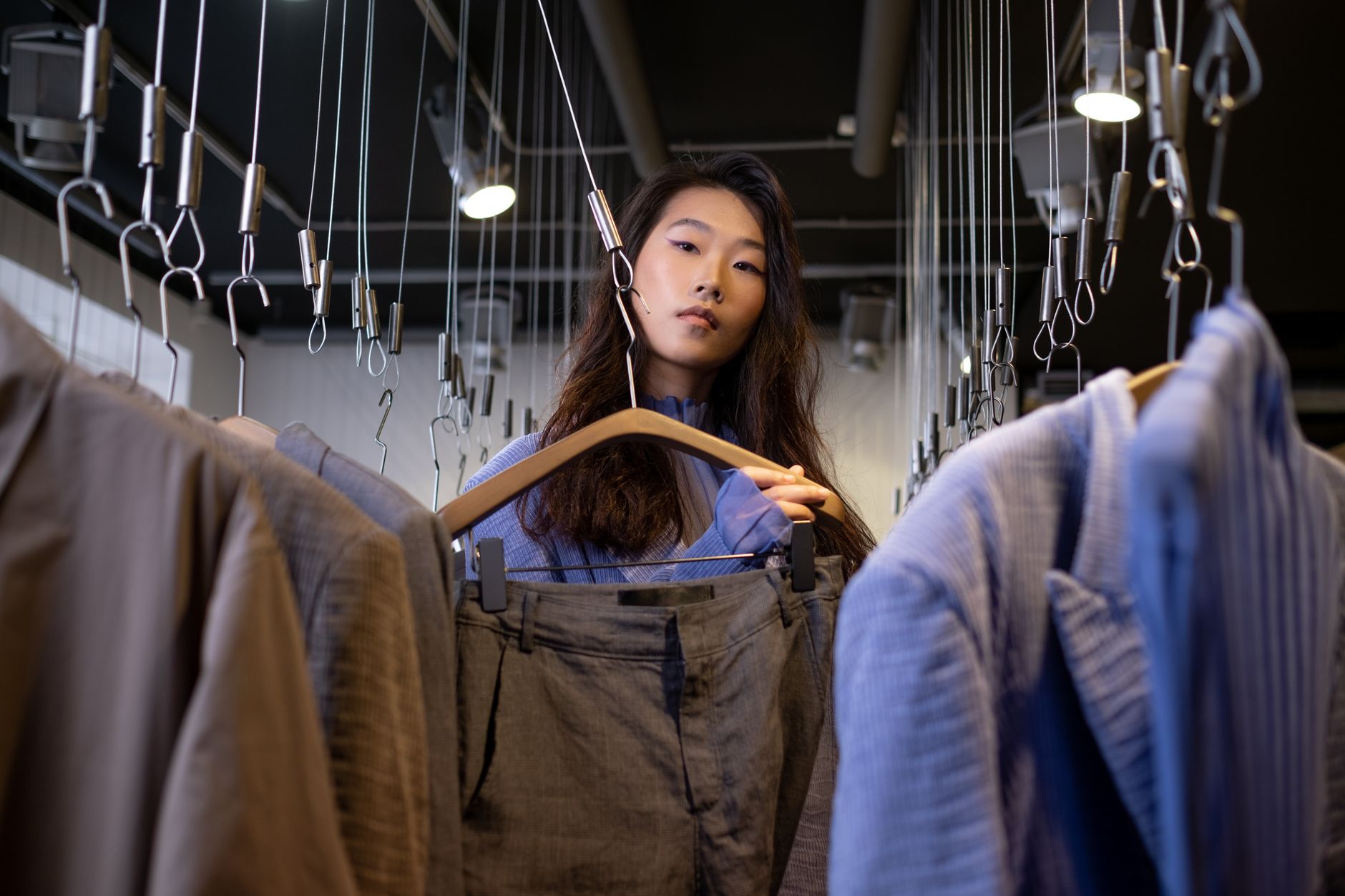
What the UK fashion rental market actually looks like now
By Rotation, founded in London in 2019, operates as a peer-to-peer platform where individuals rent from each other’s wardrobes. According to the brand, it has facilitated millions of pounds worth of rentals and grown its lender community to hundreds of thousands of members. Hirestreet, which works more like a traditional rental retailer, stocks pieces from brands including Karen Millen, Reiss, and Phase Eight, with a strong core of event-ready styles but a noticeably expanding casual section.
The Guardian reported that UK fashion rental grew significantly post-2022 as cost-of-living pressures met growing sustainability awareness. ONS household expenditure data from 2025 showed clothing spend per household remained below pre-2019 peaks, which tells you something about appetite for alternatives. Renting, in that context, starts to look less like a niche habit and more like rational economics.
I’ve tried both platforms. By Rotation feels more like borrowing from a stylish friend’s wardrobe, whilst Hirestreet reads as more curated and reliable for fit guarantees. Neither is perfect for impulsive Monday-morning decisions, but they’re a lot closer than they were three years ago.
Why everyday rental is harder than it sounds
The logistics of UK fashion rental everyday dressing are genuinely awkward if you think it through. You need to plan ahead, often four to seven days in advance. You need to factor in dry cleaning clauses, damage waivers, and return deadlines. And crucially, you need to be honest about your lifestyle: if you spill oat milk on most of what you wear before 9am, a rented silk blouse is a gamble.
The category that works best for everyday rental isn’t the outfits you wear to the office every week. It’s the in-between occasions, nice dinners, weekend trips, a first-date coat, an important meeting where you need to feel sharp but not stiff. Think of it as an extension of a quiet luxury investment dressing strategy: you own the versatile basics, you rent the statement pieces.
That framing has changed how I think about the whole market. The women I know who use rental consistently aren’t replacing their wardrobes, they’re topping them up. A rented coat for a fortnight-long trip to Edinburgh in autumn. A rented dress for a gallery opening. A rented blazer for a presentation where looking effortlessly put-together actually matters. Small additions. Big impact.

The sustainability argument: is it actually greener?
This is where it gets complicated. The received wisdom is that renting is more sustainable than buying, and in some cases it clearly is. If you’d otherwise buy a dress you’ll wear once, paying £40 to rent it is objectively the better choice for the planet. The problem is the delivery miles. Each rental generates at least two courier journeys, and if a returned item needs specialist cleaning, add another leg. A 2023 study from Aalto University found that the emissions savings from rental only outpace buying when items are rented frequently and delivery distances are short.
By Rotation has been transparent about this tension. The platform encourages local peer-to-peer lending precisely because a hand-delivered rental from someone two postcodes away generates almost no additional carbon. That model makes environmental sense. The challenge is making it convenient enough that people actually use it that way rather than defaulting to the next-day courier option.
If you’re genuinely building a more considered wardrobe, pairing rental with knowledge about ingredients in your wellness routine or the way brands present clothing and bodies is part of the same broader shift. It’s all about choosing with more information, less impulse.
Who’s actually using these platforms day to day
From conversations I’ve had and what the platforms share publicly, the core everyday rental user in the UK is broadly 28 to 42, lives in or near a major city, shops consciously already, and has probably tried a capsule wardrobe at least once. She understands that owning less doesn’t mean wearing less well. She’s not renting because she can’t afford to buy; she’s renting because she’s decided that ownership of something she’ll wear four times is genuinely pointless.
The platforms are quietly trying to expand that demographic. Hirestreet introduced a subscription-style monthly rental credit in 2024, which reduced friction and made budgeting easier. By Rotation added wishlist and notification features so you’re alerted when a specific piece becomes available near you. These aren’t revolutionary changes, but they matter for habit formation. I’d also argue that the quality of editorial content from both platforms has improved considerably, which helps users imagine the clothes in real life rather than just formal settings.
Managing a rental wardrobe does require a bit of admin, frankly, scheduling returns, checking condition, managing your calendar around item availability. Some people love that structure. Others, understandably, don’t. If you’re also managing things like a small business or freelance work online, the last thing you need is another subscription to monitor; services that help consolidate your digital life, like dijitul DNS, exist precisely because admin overload is real.
The gaps that still need filling
Sizing is the most consistent complaint I’ve seen. Rental platforms depend on lenders photographing and listing their own items, which means size descriptions can be wildly inconsistent. A size 14 from one lender might run small; the listed measurements are sometimes missing entirely. Until rental platforms invest seriously in standardised measurement tools (a few are exploring 3D body scanning integrations), this remains a real barrier to everyday confidence in the model.
Casualwear is the other gap. T-shirts, jeans, everyday knitwear: these categories barely exist on rental platforms, and honestly, they probably shouldn’t in their current form. The hygiene and condition concerns are real for high-contact basics. Where the market can grow is in mid-level pieces, quality knitwear, structured trousers, leather goods, and outerwear, the kinds of things that cost £200 to buy, get worn eight times a year, and don’t really accumulate sentimental value.
UK fashion rental everyday dressing isn’t a solved product yet. But it’s far closer to genuinely useful than it was even two years ago, and the platforms building in this space are clearly learning fast. If you’ve been curious but put off by the wedding-guest reputation, 2026 might be a reasonable moment to try it properly. Start with a coat or a statement piece for something real but not quite formal. See how it fits your actual life. The habit, if it sticks, is worth building.