

Something has shifted. Walk into any Boots, browse Holland & Barrett, or scroll through the activewear section on ASOS, and you’ll notice the language has changed. Words like oestrogen, progesterone and hot flush are no longer whispered in GP waiting rooms. They’re on product labels, podcast titles and primetime television. Perimenopause awareness UK has gone from a niche health conversation to a genuine commercial force, and the British high street is scrambling to catch up.
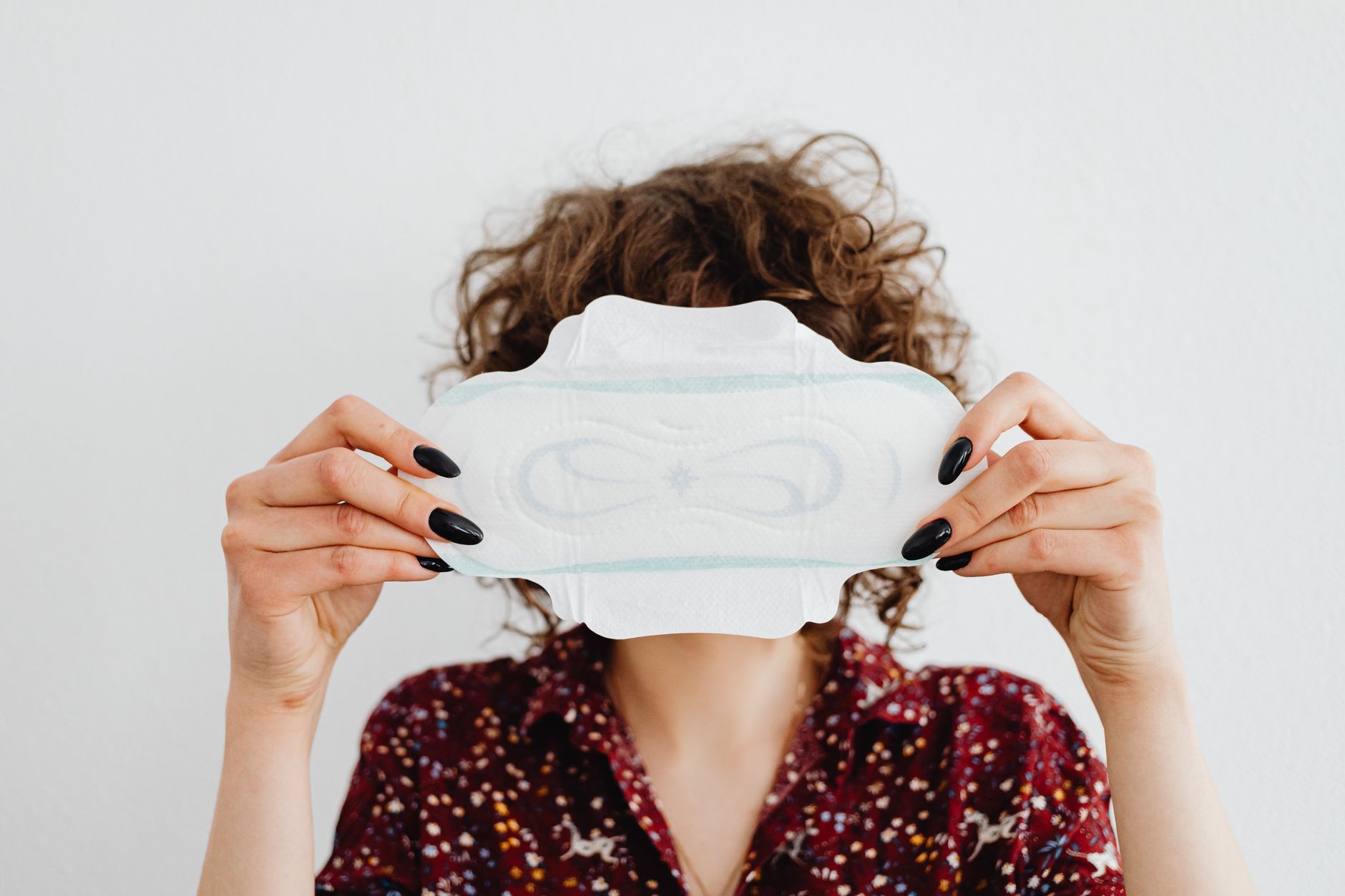
A lot of that momentum traces back to Davina McCall. Her 2021 Channel 4 documentary lit a fuse that hasn’t stopped burning, and combined with the NHS’s updated menopause guidelines, which now include stronger guidance on HRT access and women’s health support, the cultural permission to talk openly about perimenopause has expanded dramatically. Women who were quietly managing brain fog, disrupted sleep, weight changes and mood shifts in isolation suddenly found a vocabulary for their experience. And then, as tends to happen, they started spending according to it.
Why perimenopause awareness UK is a purchasing force, not just a health trend
The ONS estimates there are around 13 million women in the UK currently in perimenopause or menopause. That is a significant slice of the consumer market, and for years it was almost entirely ignored by mainstream brands. The assumption seemed to be that women over 40 were less commercially interesting. That assumption has aged badly.
Research from the Fawcett Society published in 2023 found that 84% of women said menopause symptoms had a negative impact on their working life. That stat alone tells you these women are engaged, they have spending power, and they are absolutely done with being overlooked. Brands that recognised this early are now pulling ahead. Brands that are still marketing “ageing gracefully” in soft-focus pastels are losing ground fast.
The purchasing shift is happening across four main categories: food and nutrition, supplements, activewear and beauty. Each one is being reshaped in specific ways.
Food and supplements: what women are actually buying
Phytoestrogens. Magnesium glycinate. Ashwagandha. Omega-3s. These were specialist terms a few years ago. Now they appear on end-of-aisle displays in Waitrose and own-brand supplement ranges in Superdrug. British women in perimenopause are doing their research, often in considerable depth, and they are not satisfied with generic women’s multivitamins.
Brands like Fushi, Wild Nutrition and Meno & Me have built loyal followings by being specific. They name the symptom, explain the mechanism and cite the evidence. That directness matters. Women who have spent years being told their symptoms are “just stress” respond well to products that take them seriously.
The food angle is equally active. Soy-based foods, linseed, chickpeas and a range of fermented products are being bought with hormonal health in mind. Gut health and hormone balance are increasingly spoken of in the same breath, which has helped brands in the kefir, kimchi and live yoghurt space find a new audience among women in their 40s and 50s.
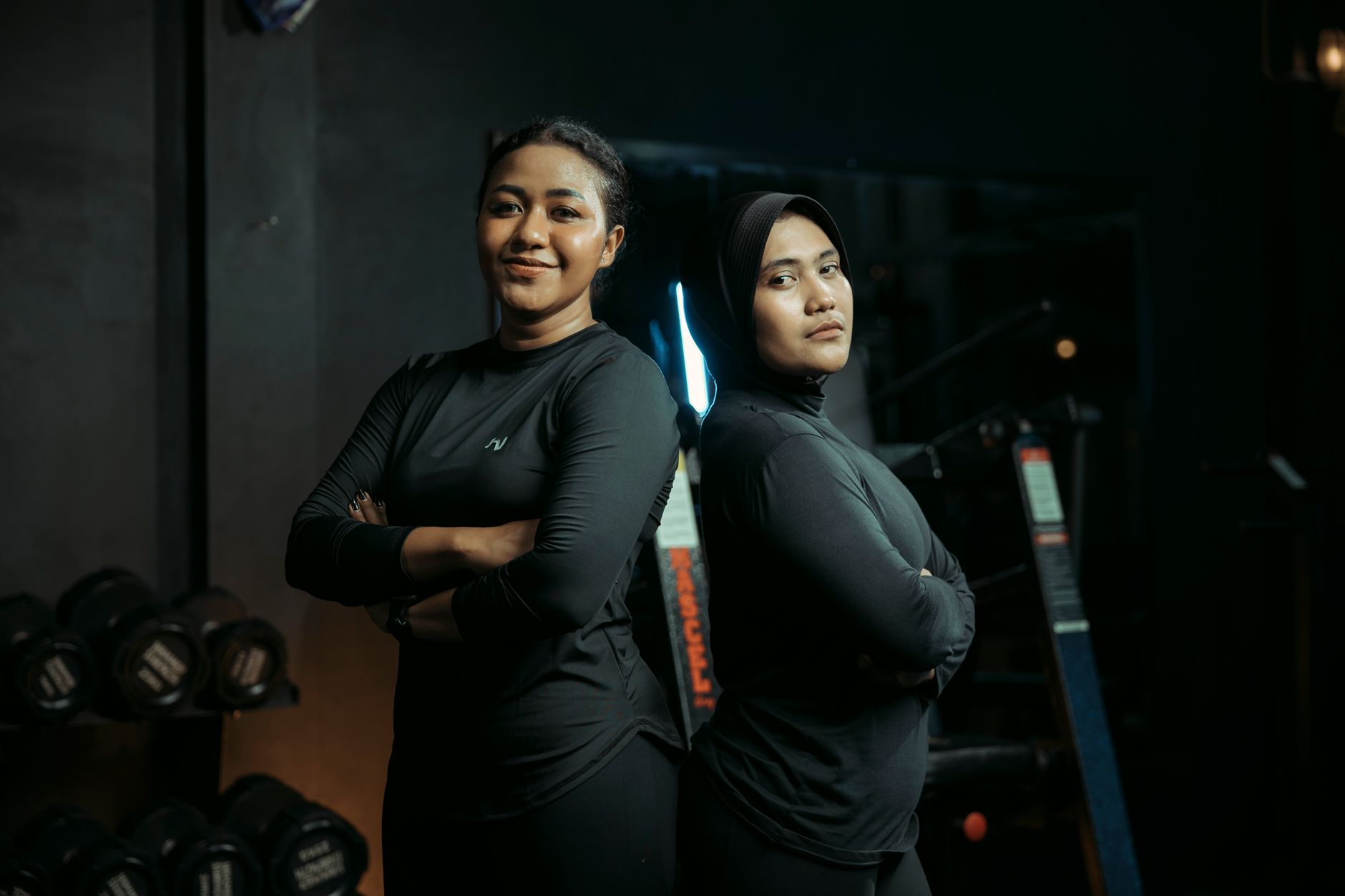
Activewear built for how perimenopausal bodies actually feel
This is where the market has arguably been slowest to respond with genuine substance. For years, activewear has been designed around performance and aesthetics, with the sweaty, temperature-fluctuating reality of perimenopausal exercise rarely mentioned. That’s changing.
Marks & Spencer’s activewear range has quietly introduced more temperature-regulating fabrics. Sweaty Betty, a British brand, has focused on moisture-wicking and breathable construction that goes beyond the usual claims. The demand is real: women in perimenopause are often being told by their GP, or are reading themselves, that regular strength training and cardio are among the most effective things they can do to manage symptoms and protect bone density. They want the kit to match the commitment.
The conversation about activewear and hormonal health connects naturally with the broader question of what British women over 45 actually need from their gym kit in terms of real technical performance, not just aesthetic appeal. The answer increasingly involves fabrics that manage heat, waistbands that don’t dig in during bloating, and cuts that feel secure without being restrictive.
Strength training in particular has become strongly associated with perimenopausal wellness. Some women are discovering the gym for the first time in their 40s, specifically because of this conversation. That is a new consumer entering the activewear market with very particular needs, and the brands paying attention are positioning themselves well.
Beauty and skincare: the honest products winning
Perimenopause brings specific skin changes. Collagen loss accelerates. Skin can become drier, more sensitive, occasionally prone to adult acne. The beauty industry has historically either ignored this or offered “anti-ageing” products that talk around the issue without addressing it honestly.
That’s less true now. Caroline Hirons, one of the UK’s most trusted skincare voices, has been direct about what perimenopausal skin needs: barrier support, retinoids used thoughtfully, no unnecessary fragrance, and decent SPF. That advice has shaped purchasing decisions across price points, from The Ordinary to La Roche-Posay to higher-end British brands like Pai Skincare.
I’ve noticed that the brands gaining traction are the ones willing to be specific about why a product is formulated the way it is. Vague claims about “radiance” or “youthfulness” land flat. Explaining that a ceramide-rich formula supports a compromised skin barrier in women experiencing oestrogen decline? That lands differently.
This directness mirrors a broader cultural moment in wellness where women are demanding more from brands, and from the healthcare system. Some are exploring complementary approaches like breathwork, acupuncture and recovery-focused therapies, including clinics such as HealthPod Mansfield that offer targeted wellness therapies outside the traditional GP model. The appetite for personalised, evidence-adjacent options has never been greater.
Which brands are doing this well, and which are not
The honest answer is that the market is still uneven. For every brand responding with genuine substance, there are several slapping “menopause support” on a product that has simply been relabelled. Women notice. The perimenopause community online, particularly on platforms like Reddit’s r/Menopause and in Facebook groups with tens of thousands of UK members, is forensically critical of greenwashing’s wellness equivalent.
Brands earning genuine loyalty tend to share three qualities: they consult medical professionals in product development, they communicate transparently about what their product can and cannot do, and they don’t conflate perimenopause with decline. The framing that resonates is strength and self-knowledge, not endurance or resignation.
It also helps if the brand’s overall identity is coherent. A wellness brand that takes perimenopause seriously probably also thinks carefully about sustainable ingredients, ethical sourcing and honest marketing more broadly. Those women I mentioned earlier, who are researching magnesium and reading NHS guidance? They are also thinking about what genuine sustainability standards look like in the products they buy. The overlap between informed perimenopause consumers and ethically-minded shoppers is substantial.
There’s also a strong connection to the broader wellness lifestyle shift, where women are thinking holistically about how their choices support their body. That includes what they wear, how they move, and what they put on their skin. The rise of the wellness wardrobe is partly being driven by exactly this group: women who want their clothing to actively support their physical comfort, not just their aesthetic.
The NHS has taken steps in the right direction. The 2022 Women’s Health Strategy for England committed to improving menopause support and reducing the postcode lottery on HRT access. Progress has been uneven, but the conversation at policy level is real. That matters because it legitimises the commercial conversation. When the NHS acknowledges the scale of perimenopausal experience, it gives brands permission to respond with seriousness rather than euphemism.
The shift is not going to reverse. Women who have found the language to describe their experience and discovered products that actually help are not going back to suffering in silence. The British high street either meets that moment with genuine substance or watches a generation of loyal, high-spending consumers take their money elsewhere.
Frequently Asked Questions
What is perimenopause and how is it different from menopause?
Perimenopause is the transitional phase before menopause begins, typically starting in a woman’s mid-to-late 40s but sometimes earlier. During this phase, oestrogen levels fluctuate irregularly, causing symptoms like irregular periods, hot flushes, mood changes and disrupted sleep. Menopause is confirmed when a woman has gone 12 consecutive months without a period.
Can supplements genuinely help with perimenopause symptoms?
Some supplements have reasonable evidence behind them. Magnesium can support sleep quality, omega-3 fatty acids have anti-inflammatory properties, and certain phytoestrogen-rich foods may have modest hormonal effects. That said, no supplement replaces medical advice. Women with significant symptoms should speak to a GP about evidence-based options including HRT.
Why are UK brands suddenly paying more attention to perimenopause?
A combination of factors has made perimenopause commercially visible: high-profile advocates like Davina McCall, updated NHS menopause guidelines, growing online communities and the sheer scale of the demographic. Around 13 million women in the UK are currently in perimenopause or menopause, representing significant spending power that was previously underserved.
What should I look for in activewear if I'm experiencing perimenopausal symptoms?
Prioritise moisture-wicking and temperature-regulating fabrics to manage hot flushes during exercise. Secure but non-restrictive waistbands are worth seeking out for days when bloating is a factor. Breathable, flatlock seams reduce irritation on sensitive skin. Several British brands including Sweaty Betty have started addressing these needs directly in their product descriptions.