

There is a particular thrill to slipping on a ring that has been worn before. Not the polished sameness of a high street display case, but something with actual history pressed into its metal. Buying vintage jewellery in the UK has quietly become one of the most stylish, financially savvy and genuinely sustainable moves a woman can make with her accessories budget right now. And yet most people still default to one of three options: Camden Market, Portobello Road, or a quick scroll through Etsy. I’d argue that is leaving enormous amounts of quality, character and value on the table.
So here is the proper version. Where to actually look, what to watch for, and how to avoid the most common mistakes. This is the guide I wish someone had handed me about five years ago.
Regional auction houses: the most underrated source for buying vintage jewellery in the UK
London gets all the press, but some of the best jewellery lots in the country pass through regional salerooms with next to no fanfare. Houses like Tennants Auctioneers in Leyburn, Cheffins in Cambridge, and Sworders in Stansted Mountfitchet regularly list Georgian, Victorian and Edwardian pieces at fractions of what a London dealer would charge for the same thing. The buyers simply are not there in the same numbers.
You can register to bid online through most of these houses now. The Invaluable and the-saleroom.com platforms aggregate UK auction listings across hundreds of regional houses, which makes the search genuinely manageable. Set up alerts for specific categories: ‘yellow metal brooch’, ‘9ct gold bracelet’, ‘silver locket’. You will be surprised what comes up in a Tuesday morning sale in Shrewsbury.
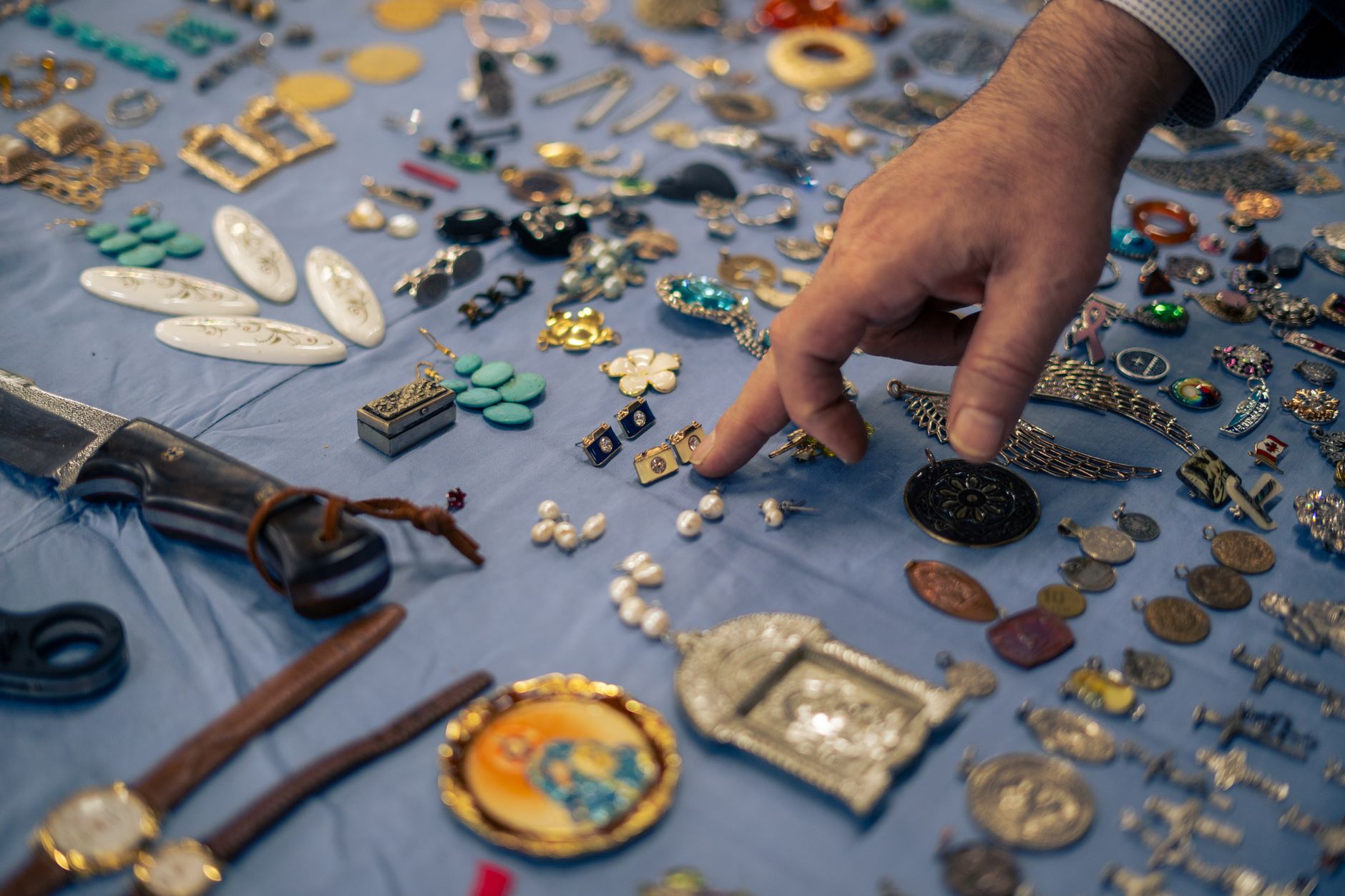
Estate sales are a slightly different beast. These are often run through the same regional auctioneers when a family is clearing a property, and the jewellery can arrive unsorted, unlabelled, and priced accordingly. I have seen a pile of what looked like costume pieces contain a hallmarked 15ct gold seed pearl ring from around 1890, listed as ‘a quantity of mixed jewellery’. Patience and a loupe are your best tools here.
How to read hallmarks before you buy anything
This is non-negotiable. UK gold and silver jewellery carries hallmarks that tell you almost everything you need to know, and learning to read them will save you from buying rolled gold dressed up as the real thing. The Assay Office marks used in Britain are among the most consistently applied in the world, which is a genuine advantage when buying pre-owned pieces.
The four core marks to look for on gold are: the maker’s mark (initials or symbol of the manufacturer), the standard mark (a crown for gold in England, with a number indicating fineness: 375 for 9ct, 585 for 14ct, 750 for 18ct), the Assay Office mark (an anchor for Birmingham, a leopard’s head for London, a castle for Edinburgh, a rose for Sheffield), and the date letter, which cycles through the alphabet in a specific typeface and shield shape per office. Silver carries a lion passant as its standard mark. The London Assay Office has a full reference guide online that is genuinely useful to bookmark.
Pre-1975 pieces may not carry all four marks, older gold was sometimes stamped with a carat mark alone, particularly on smaller items like rings. If there is no hallmark at all, you are probably looking at either costume jewellery or an import piece, neither of which is necessarily bad, but you need to price accordingly.
Online platforms that are actually worth your time
Beyond eBay (which remains relevant but requires extreme diligence), there are platforms that have built genuine communities around pre-owned jewellery in the UK. Vinterior focuses on vintage and antique furniture and homewares but carries a decent jewellery section with verified sellers. Hemswell Antique Centres in Lincolnshire runs an online shop alongside its enormous physical site. And 1stDibs, while international, has a strong UK dealer presence and tends to list pieces at the higher end with proper provenance documentation.
For demi-fine specifically, which sits in that sweet spot between costume and fine jewellery (think gold vermeil over sterling silver, or solid 9ct pieces from smaller independent makers), Instagram remains the most interesting hunting ground. Smaller vintage dealers often post new stock directly to their feeds before it reaches any marketplace. A quick search for tags like #vintagejewelleryuk or #antiquebrooch will surface sellers who move fast and price fairly.
Facebook Marketplace is genuinely undervalued for this. Local groups for antique and vintage sales often have pieces listed by people who simply want them gone quickly. Condition and authenticity need checking, obviously, but the prices can be remarkable.
Getting a valuation: what to do before and after you buy
If you are spending more than around £150 on a single piece, a valuation is worth considering. Independent valuers registered with the National Association of Jewellers or the Institute of Registered Valuers will produce a document that is accepted for insurance purposes, and they have no financial interest in inflating or deflating the figure. Expect to pay between £50 and £150 for a written valuation depending on the complexity of the piece and your location.
For pieces you already own and are curious about, many regional auction houses offer free valuation days. Bring whatever you have and an expert will give you a realistic guide price for sale. Even if you are not planning to sell, this is a fast way to understand what you are actually sitting on.
One thing I always do before bidding on anything significant: I check the seller’s or auction house’s returns policy and ask directly about provenance. Reputable sellers will not balk at these questions. The ones who do tell you something useful.
What to look for when buying pre-owned gold and silver
Condition matters enormously in jewellery, but not always in the way you might expect. Light surface scratches on gold are normal and can often be polished out by a jeweller for a small fee. What you are checking for is structural integrity: look at clasps (do they open and close cleanly?), check prongs on any stone settings (are they intact and not splayed?), and examine any solder joins under a loupe if possible. Thin solder lines that cross the original metalwork suggest the piece has been repaired, which is not automatically a problem but should affect your offer.
Silver tarnishes and cleans well. But look for stress fractures around hinges on lockets and brooches, which are common and can be costly to restore properly. Georgian cut-steel pieces and Victorian paste jewellery are often found in poor condition precisely because people have tried to clean them aggressively with products they should not have used. If you see bubbling or pitting on what looks like paste stones, walk away unless the price reflects the damage.
The quiet luxury of a genuinely old piece, one with a hallmark you can date, a maker’s mark you can research, and a clasp that still works perfectly after a century, is something the high street simply cannot replicate. And given that British women are increasingly choosing investment dressing over logo-led pieces, vintage jewellery fits the moment perfectly. It is not trend-dependent. A Georgian mourning brooch or an Edwardian suffragette ring in green, white and violet enamel has its own authority, completely separate from whatever is on the rails this season.
There is also the sustainability angle, which is real even if it sometimes gets overstated. Pre-owned gold and silver require no new mining. For anyone thinking about the ethics of what they buy and how it is presented to them, choosing pre-owned precious metals is one of the clearest ways to reduce the environmental footprint of a wardrobe. No marketing required.
Start small if you are new to this. A hallmarked silver bangle from a regional auction for £30 is a low-stakes introduction to reading marks, assessing condition and bidding confidently. Build from there. The knowledge compounds fast, and so does the collection.
Frequently Asked Questions
How do I know if vintage jewellery is real gold or silver when buying in the UK?
Look for UK hallmarks stamped into the metal: a crown and fineness number (375, 585 or 750) for gold, and a lion passant for sterling silver. These marks were legally required and verified by one of the UK’s Assay Offices. If there are no hallmarks, treat the piece as costume jewellery until proven otherwise with professional testing.
Where are the best places to buy vintage jewellery in the UK beyond London?
Regional auction houses such as Tennants in North Yorkshire, Cheffins in Cambridge and Sworders in Essex regularly offer excellent Victorian and Edwardian pieces at accessible prices. Online aggregators like the-saleroom.com let you search and bid across hundreds of UK salerooms from home. Hemswell Antique Centres in Lincolnshire is also worth a visit if you are happy to travel.
How much does a jewellery valuation cost in the UK?
Written valuations from an independent valuer registered with the National Association of Jewellers typically cost between £50 and £150, depending on the complexity of the piece and location. Many regional auction houses also offer free verbal valuation days, which are a useful starting point if you want a rough guide price without committing to a formal document.