

Nobody talks about this enough. You’re in the middle of a Pilates class, you’ve been feeling genuinely good about getting back to consistent movement, and then a hot flush arrives like an uninvited guest and suddenly you’re peeling off layers in front of twelve strangers. The leggings you’ve worn for years feel itchy, the sports bra is cutting in differently, and your knees ache in a way they didn’t two years ago. This isn’t a minor inconvenience. It’s a wholesale shift in how your body works, and the activewear industry has been embarrassingly slow to acknowledge it properly.
The good news is that’s starting to change. Genuine design for perimenopausal and menopausal bodies is emerging, and it goes well beyond slapping a pink label on a standard moisture-wicking top. Here’s what activewear for menopause UK women actually need to look for, and which brands are doing the work versus which are doing the marketing.
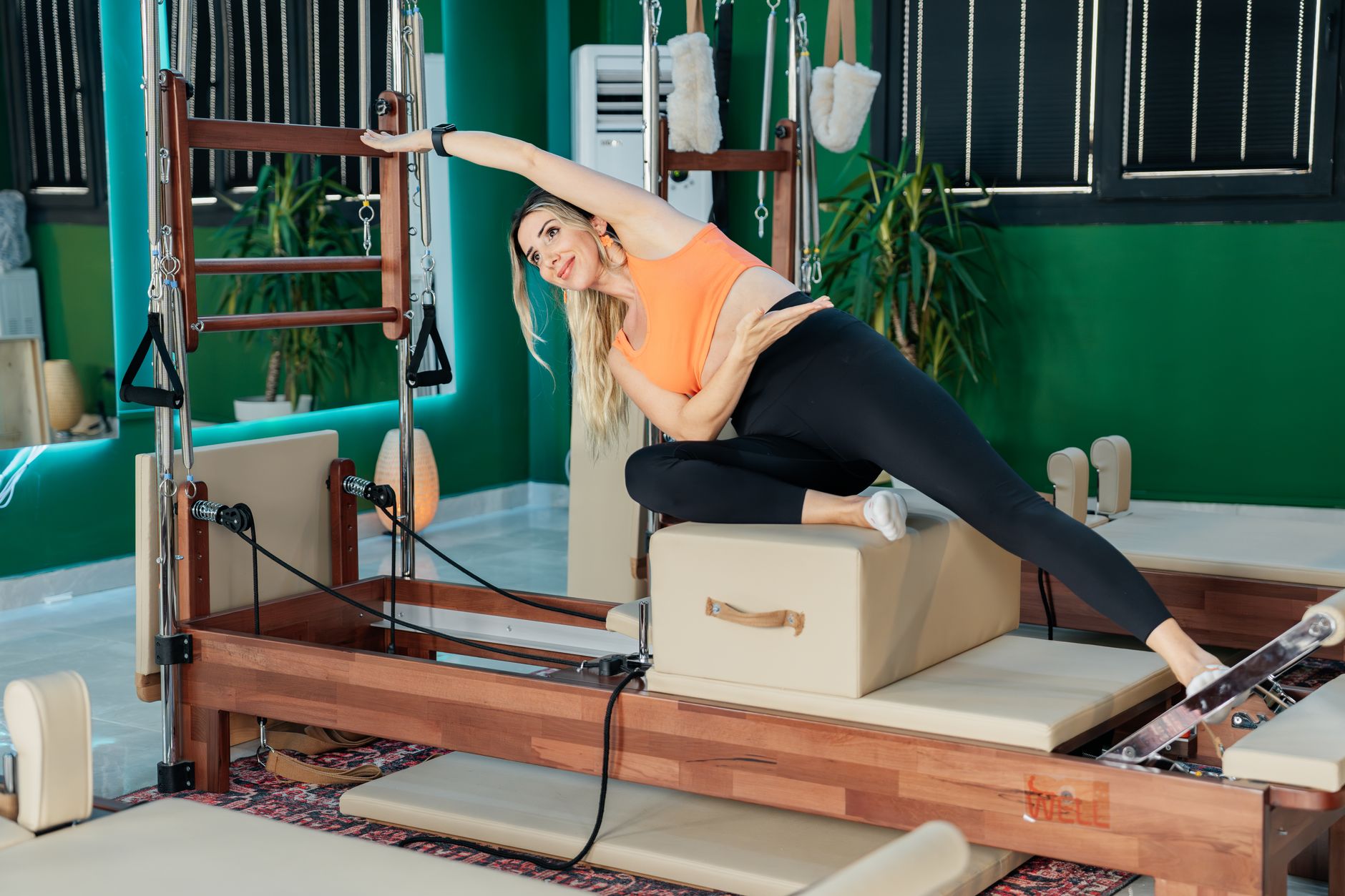
Why menopause changes what you need from activewear
Oestrogen does a lot. Joint lubrication, skin elasticity, temperature regulation, muscle recovery, bone density maintenance, it touches all of it. When levels drop, the effects show up fast and often simultaneously. The NHS estimates that around 13 million women in the UK are currently perimenopausal or post-menopausal, and the majority of them are still active, still working, still exercising. They’re not a niche market. They’re a majority.
Hot flushes and night sweats affect around 75% of women going through menopause. During exercise, they’re amplified, and the wrong fabric makes them unbearable. Joint sensitivity, particularly in the knees, hips and wrists, means high-impact movement often needs modification. Skin becomes thinner and more reactive, so seams and tags that were fine before suddenly chafe. Changes in body composition, especially around the abdomen, mean fit needs to be rethought. These aren’t vanity concerns. They’re functional ones.
The fabric question: what actually works for temperature regulation
Synthetic moisture-wicking fabrics are the industry standard, but they’re not all equal. Cheaper polyester blends can trap heat against the skin even while moving sweat away. What you want is fabric that pulls moisture away and allows rapid evaporation, ideally with open-knit or mesh panels placed intelligently.
Merino wool is worth serious consideration. It’s not just for hiking anymore. British brand Passenger Clothing and outdoor specialists like Icebreaker use merino in activewear because it regulates temperature in both directions, handles odour far better than synthetics, and is naturally soft against sensitive skin. It costs more upfront, but if you’re someone whose skin has become reactive, the investment usually pays off within the first week of wearing it.
Bamboo-derived fabrics, specifically bamboo viscose, are appearing in more studio-wear collections. They’re genuinely soft and have some temperature-regulating properties, though they’re less durable under repeated washing than synthetic blends. Good for yoga and Pilates; less reliable for high-intensity training.
Phase-change materials are the newer tech end. Brands like Sheactive and Adidas’s own Aeroready range include fabrics that absorb and release heat based on body temperature. I’ve tested a few of these and they do make a noticeable difference during that sudden-heat spike moment, though they’re not magic and don’t replace good ventilation design.
Support and fit: where most brands still get it wrong
Breast tissue changes through menopause. Density decreases, shape shifts, and existing bra fits often stop working. The sports bra market has historically designed for one version of a breast and called it done. Brands making genuine progress here include Panache Sport, a UK brand that has offered high-impact bras in cup sizes up to a K cup for years, and Freya Active, which combines athletic performance with proper bra engineering. Both are widely available in UK department stores and online.
Waistband design matters far more than brands admit. Many women notice abdominal bloating and changes in waist-to-hip ratio during perimenopause, which makes a tight, narrow waistband feel punishing. Wide, flat waistbands that sit without digging in are a practical necessity. Sweaty Betty’s Power Leggings have a genuinely wide flat waist that sits well across a range of body shapes; Lululemon’s Align range is popular for the same reason, though the price point will feel steep at £98 for a pair of leggings.
Seam placement around the inner thigh is another underrated factor. As skin becomes more sensitive and body composition changes, flat-lock or bonded seams in high-friction areas make a real difference. You shouldn’t need to apply bodyglide before a moderate gym session, but if your current kit has raised seams running through the thigh, you will.
Joint-supportive design for lower-impact movement
There’s been a cultural shift happening alongside the activewear conversation, and it’s worth naming. Many women over 45 are moving away from high-impact training not because they’ve given up, but because they’ve got smarter. Walking, swimming, strength training, Pilates and yoga carry a lower joint-stress load and genuinely suit a perimenopausal body better in many cases.
This shift has implications for activewear. You need fabrics and cuts that support a wider range of movement with less compression restriction. Pilates-specific leggings from brands like Girlfriend Collective or M&S’s Goodmove range (one of the most underrated activewear lines on the British high street, honestly) tend to prioritise ease of movement over compression. If you’re also interested in the wider aesthetic around studio fitness, the piece I wrote on how British women are choosing clothes that genuinely support their lifestyle covers the overlap between fashion and functional dressing in more depth.
For anyone adding outdoor walking or hiking to their routine, a good waterproof layer that can be packed down quickly becomes essential. Hot flushes plus British weather is a specific kind of layering challenge, and I’d prioritise a lightweight, breathable shell over a heavier fleece for exactly that reason.
Which brands are actually designing for this, not just marketing to it
The test I use is simple: does the product design reflect an understanding of perimenopausal bodies, or has a standard product just been photographed on an older model? A few brands pass it.
Sheactive is the UK brand most explicitly working in this space. Founded specifically to address the gap in sports clothing for women over 40, they offer thermoregulating fabrics, thoughtful bra support, and longer-line tops that address the coverage preferences many women develop through body changes. They’re not the cheapest option, but they’re doing the actual design work.
M&S Goodmove keeps coming up in conversations with women who’ve quietly moved away from premium activewear brands because the fit stopped working. It’s affordable, widely available, and the waistband design across the range is genuinely good.
Sweaty Betty and Lululemon both have pieces worth buying, but you’ll need to be selective. Not everything in either range suits a perimenopausal body, and neither brand leads with this demographic in its marketing. That said, their quality is consistent enough that individual pieces will earn their cost-per-wear. On the subject of cost-per-wear, the wardrobe heat-mapping method is worth applying to activewear as much as to everyday clothing.
Globally, Title Nine (US, but ships to UK) and Athleta have put more resource into extended size ranges and functional design than most European brands. They’re not the easiest to access here, but worth knowing about.
The most important shift you can make is to stop buying activewear based on how it looks on an Instagram post and start buying it based on how it performs across a 60-minute session when your body temperature spikes unpredictably, your joints need support, and your skin wants kindness. That’s not a compromise. That’s just shopping with actual criteria. The same critical lens I’d apply to the Pilates studio fashion aesthetic applies here: style and function shouldn’t be in opposition, and the brands worth your money have worked out how to do both.
Frequently Asked Questions
What fabrics are best for activewear during menopause?
Merino wool and bamboo-viscose blends are gentler on sensitive skin and offer genuine two-way temperature regulation. For high-intensity training, look for synthetic fabrics with phase-change or advanced moisture-wicking technology and mesh ventilation panels placed at the back and underarms rather than decoratively.
Are there UK activewear brands specifically designed for menopausal women?
Sheactive is the most prominent UK brand explicitly designing activewear for women over 40, with thermoregulating fabrics and thoughtful support design. M&S Goodmove is a strong budget-to-mid option widely available on the British high street, with consistently good waistband design across the range.
What should I look for in a sports bra during perimenopause?
Prioritise brands that offer a proper cup-size range rather than XS-XL sizing. UK brands Panache Sport and Freya Active both offer high-impact support up to larger cup sizes and are designed with breast tissue changes in mind. Avoid underwiring in soft-cup sports styles, as skin sensitivity around the ribcage often increases.
Leave a Reply