

UK wedding guest fashion has always had its own silent rulebook. Nobody hands you a copy at the door, but everyone in the room knows when you’ve broken it. I’ve been to enough ceremonies, from a converted barn in the Cotswolds to a Glasgow city chambers do, to say with some confidence that the codes are shifting in 2026, but they haven’t disappeared. They’ve just got more layered, more personal, and frankly more interesting to decode.
Whether you’re heading to a country house ceremony with a dress code that reads “smart casual” (useless, genuinely) or a city register office followed by drinks at a rooftop bar, this is the honest guide to getting it right without losing your nerve at the wardrobe.
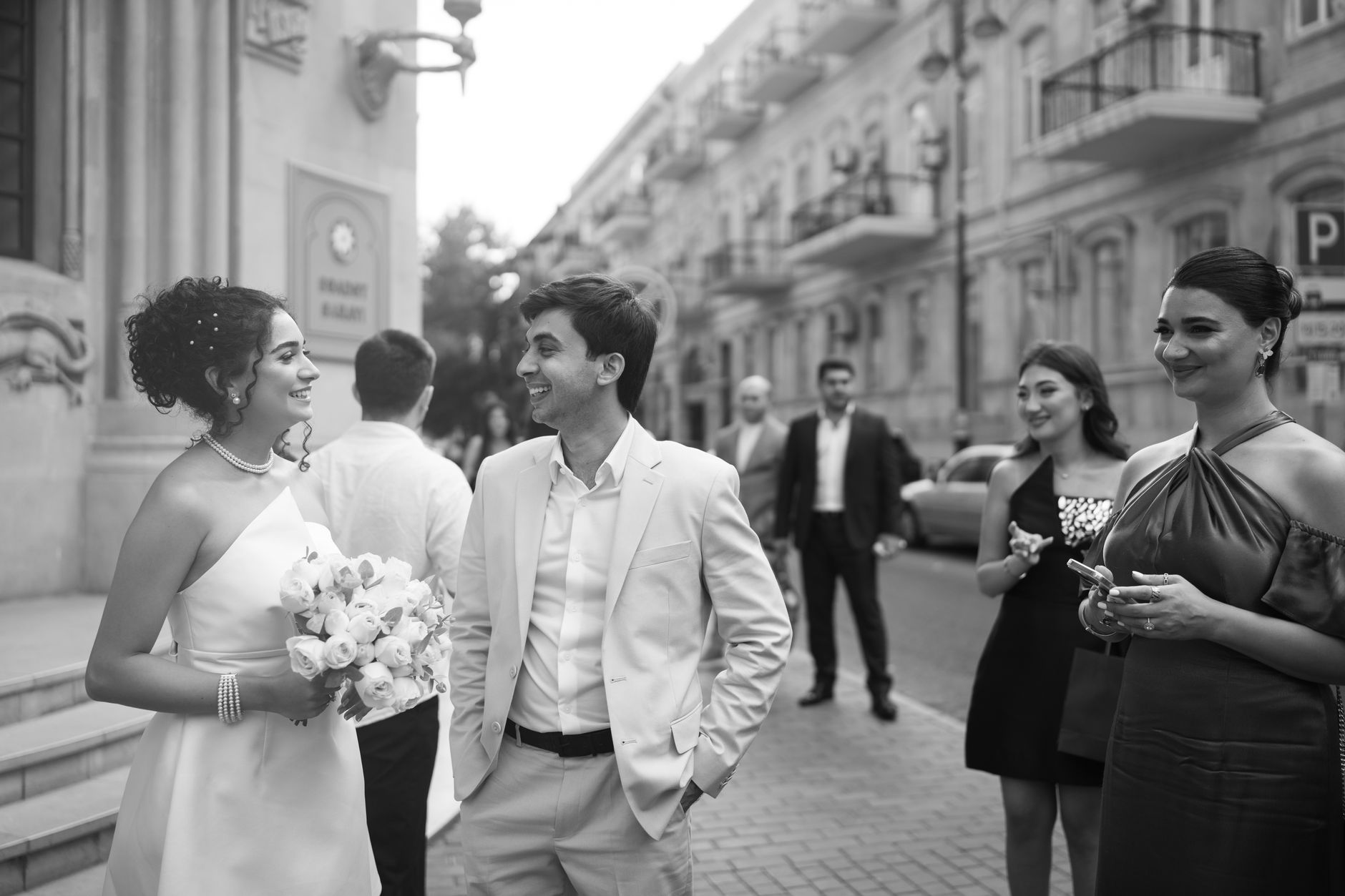
What UK dress codes actually mean in 2026
“Black tie” is easy. “Smart casual” is not. The problem is that British couples increasingly lean on vague invitation wording that leaves guests guessing. Here’s a plain reading of what you’ll commonly see:
Black tie: A floor-length gown or a very formal midi with a structured bodice. Not trousers, unless they’re wide-leg and truly evening-weight. This is one of the few occasions where sequins at noon are completely appropriate.
Cocktail: The sweet spot. Knee to midi length, something with a bit of intention behind it. A tailored dress, a silk slip with a blazer, a structured co-ord. This is where most UK weddings land in 2026, and it gives you the most room to have an actual personality.
Smart casual: Read this as “cocktail lite”. You can wear trousers here without any drama. A linen suit, a printed wrap dress, a midi skirt with a tucked blouse. The key is that it should look considered, not like a Thursday afternoon at the office.
Garden party or festival: Usually means the couple wants a relaxed vibe but still expects effort. Floral prints, light fabrics, block colour. Wellies are only acceptable if explicitly mentioned, and even then, pair them with something polished on top.
The colour question nobody answers directly
Let’s be direct: don’t wear white, ivory, or cream. That rule hasn’t moved. Beyond that, though, the old British aversion to bright colour at weddings has softened considerably. Guests in bold red, cobalt blue, or deep emerald are no longer eyebrow-raising, they’re often the best-dressed people in the room.
Where it gets nuanced is when you’re trying to look memorable without competing with the wedding party. A good mental model: avoid anything that could photograph as bridal (white, very pale blush, champagne) and avoid anything so maximalist it reads as a costume. A burnt orange midi dress? Perfect. An enormous floral print ballgown at a low-key civil ceremony? You’ve misjudged the room.
Lilac, sage, dusty rose and chocolate brown are the shades I keep seeing done brilliantly at British weddings right now. They’re distinctive enough to feel intentional but don’t scream for attention in the wrong way. If you’ve already been leaning into the Mediterranean maximalism trend this summer, a bold terracotta or rich marigold can absolutely work, the trick is to let the colour do the talking and keep the silhouette clean.
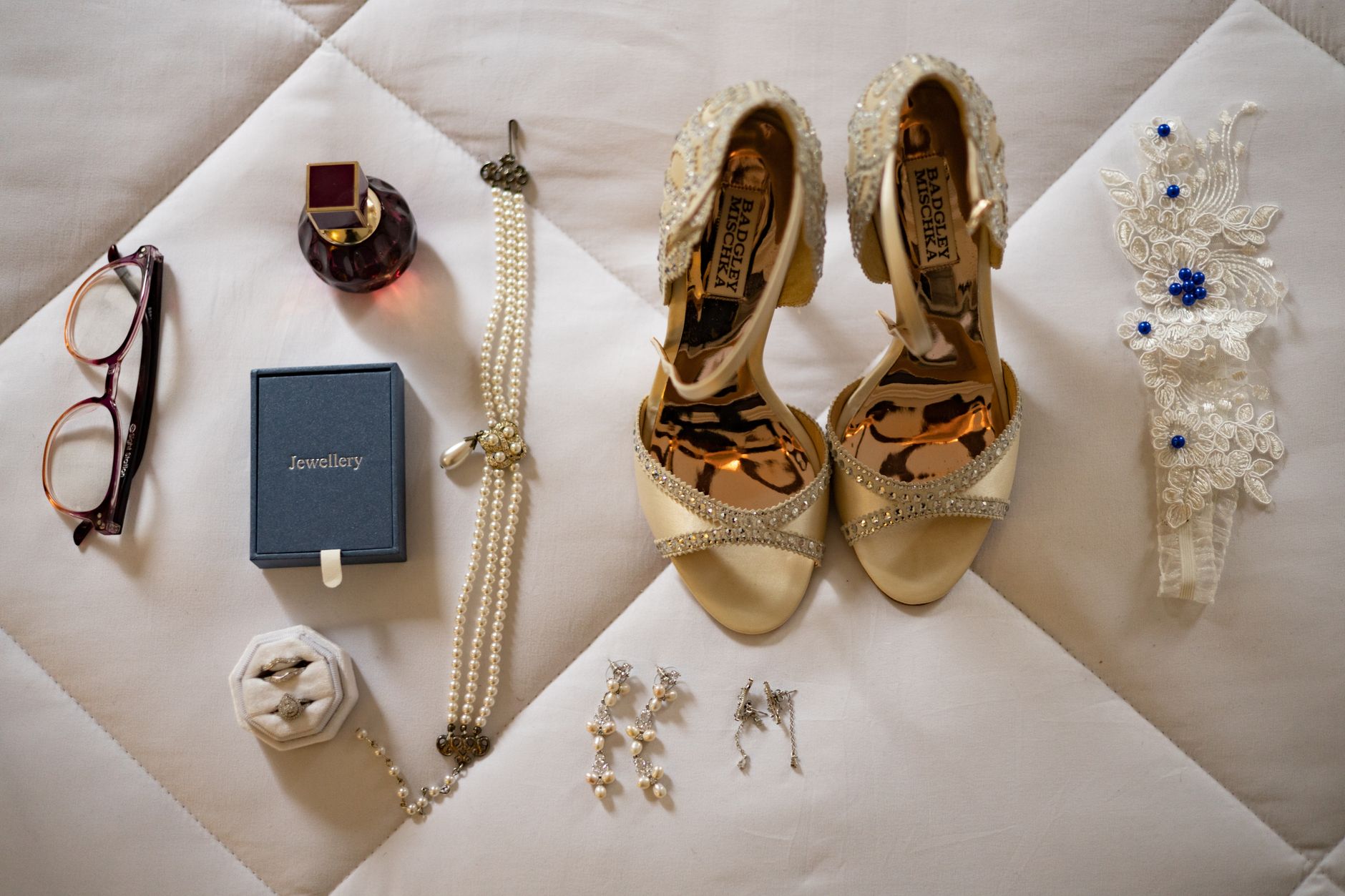
Country house vs city venue: what actually changes
The setting shapes everything, and not just in terms of heel practicality (though that matters, a stiletto on a gravel driveway is a genuine ankle hazard). Country house weddings tend to skew more traditional in atmosphere, which means the room will reward classic dressing: a well-cut midi, quality fabric, understated accessories. City venues, the converted warehouses, the rooftops, the private members’ clubs in London or Edinburgh, have more tolerance for the directional and the unexpected.
For country weddings specifically, think about texture. Silk, satin, linen, broderie anglaise. Something that photographs well in natural light and reads as considered rather than trend-chasing. Heels that can handle grass (a block heel or a wedge) are a practical non-negotiable, or bring a pair of strappy flats for the reception. On the subject of statement footwear, the power heel revival happening right now means there are genuinely brilliant options that feel fashionable without being uncomfortable.
For city ceremonies, you have more freedom. A sharp trouser suit in a non-neutral colour, a sculptural cocktail dress, even a well-executed jumpsuit at the right kind of venue. Register offices in particular are often followed by something informal, a pub, a restaurant, a picnic, so consider the full day when you’re dressing, not just the ten minutes at the ceremony.
Accessories: the place to be bold without risk
If you’re uncertain about your outfit’s impact, accessories are where you earn it back. A striking pair of earrings, a genuinely excellent bag, a hat that you’ve committed to rather than nervously half-committed to. British women have historically underinvested in accessories and then wondered why the look doesn’t quite land.
The demi-fine jewellery movement has been good for wedding dressing specifically, if you want to understand the £50-£500 sweet spot that’s replacing both high-street throwaway pieces and full heirloom jewellery, the demi-fine jewellery boom is worth reading before you shop. For weddings, layered necklaces, statement earrings, and a cuff or two tend to work better than full sets that feel borrowed from a different decade.
Hats and fascinators: country house and church ceremonies still expect them at a certain tier. A fascinator works for most smart-casual occasions; a proper hat signals you’ve taken the formality seriously. Avoid anything so wide it blocks the view of the people behind you during the ceremony, this sounds obvious, but it happens every summer.
What to actually avoid at UK weddings in 2026
Beyond the obvious (white, overly casual, anything that will clearly require constant adjustment throughout the day), there are a few specific mistakes I see repeatedly:
Dresses that only look good standing still. If it rides up, gaps, or requires constant tugging, you’ll spend the whole day managing it rather than enjoying yourself. Comfort and style are not opposites, investing in both is entirely possible.
Over-matching. A couple who both show up in the same shade of sage green, perfectly coordinated down to pocket squares, can veer into costume territory. Complementary works; identical tends to look planned to the point of stiffness.
Ignoring the season. June in Scotland is not June in Sussex. The Met Office will tell you this for free. Bring a cover-up that you actually like the look of, rather than an afterthought cardigan that undercuts everything else you’ve put together.
Building a wedding guest wardrobe that earns its space
The smartest thing you can do is treat wedding guest dressing as part of your wider approach to buying clothes that genuinely work. If you’ve already been thinking about wardrobe heat mapping, weddings are exactly the kind of occasion that skews the data, you buy something specific, wear it once, and it sits. A better approach is to invest in two or three outfits that can genuinely work across different wedding types with tweaks to accessories and layers.
If you’re building that capsule now, think: one formal midi or gown for black tie; one cocktail dress or suit in a strong colour; one smart-casual option that works for daytime ceremonies. Those three see most people through an entire wedding season without panic-buying three weeks before each invitation arrives.
For finding genuinely stylish pieces that won’t fall apart after one wear, it’s worth looking beyond the obvious high street options. Fashion editorial sites and communities like inkd.uk regularly surface independent designers and smaller UK labels that dress wedding guests far better than the mass-market alternatives, and often at comparable price points.
The British fashion press, including British Vogue, has been consistent this year in pointing away from the overly safe and towards the considered and personal. That’s the right direction. The unspoken code at any UK wedding is really just: look like you made an effort, wear something that suits you, and don’t make yourself the story. Everything else is detail.
Frequently Asked Questions
Can I wear black to a UK wedding in 2026?
Yes, black is now widely accepted at British weddings, particularly for evening receptions and city venues. The old superstition that black is bad luck has largely faded, style it with interesting accessories or an eye-catching silhouette to avoid looking too funeral. For daytime ceremonies in conservative settings, you might want to soften it with a coloured accessory or a printed layer.
What does 'smart casual' mean on a UK wedding invitation?
Smart casual at a UK wedding means you should look polished and intentional, but you don’t need a full evening gown. Think tailored trousers with a silk blouse, a printed wrap dress, a linen midi, or a co-ord that sits above office-wear but below full cocktail. The key word is ‘smart’, casual doesn’t mean jeans.
What colours are best for UK wedding guests?
Avoid white, ivory, cream, and very pale champagne shades that could photograph as bridal. Beyond that, bold colours are increasingly celebrated at British weddings, cobalt, burnt orange, deep emerald, and chocolate brown are all strong choices in 2026. Lilac and dusty rose are particularly popular right now and work across most dress codes.
Is it appropriate to wear a trouser suit to a UK wedding?
Absolutely, and it’s become one of the most stylish choices for both country house and city weddings. A well-cut trouser suit in a non-neutral colour, emerald, cobalt, deep red, reads as fashion-forward but respectful. Pair it with heels or pointed flats and considered jewellery to keep it clearly occasion-appropriate.
How much should I spend on a wedding guest outfit in the UK?
There’s no fixed rule, but a useful benchmark is to spend enough that you’d wear it again. A well-chosen cocktail dress or suit in the £80-£300 range from a quality UK brand tends to offer both longevity and the kind of construction that holds up through a long day. Fast fashion at lower price points often looks fine in photos but feels uncomfortable by the evening reception.
Leave a Reply