

There’s a quiet confidence running through British style right now, and it’s got nothing to do with spending more. The women I see pulling genuinely considered outfits together on the streets of Manchester, Edinburgh and east London are doing it with a plain white shirt, wide-leg trousers and one very deliberate accessory. That’s it. Statement accessories styling in 2026 is less about accumulation and more about placement, knowing exactly where to put the thing that earns its keep.
The basics-first wardrobe has been gaining ground for a few years, but 2026 feels like the moment it’s fully landed. And the accessories conversation has had to evolve with it. Scarves, structured belts and considered bags are no longer an afterthought. They’re the strategy.
Why the scarf is having its most sophisticated moment yet
I’ll be honest: I spent years treating scarves as a winter-only item, something to pull from a drawer when the temperature dropped. That take is well and truly outdated. The silk square, the oversized wool wrap, the slim neck tie, all three are being worn by the most switched-on British dressers in a way that has nothing to do with warmth.
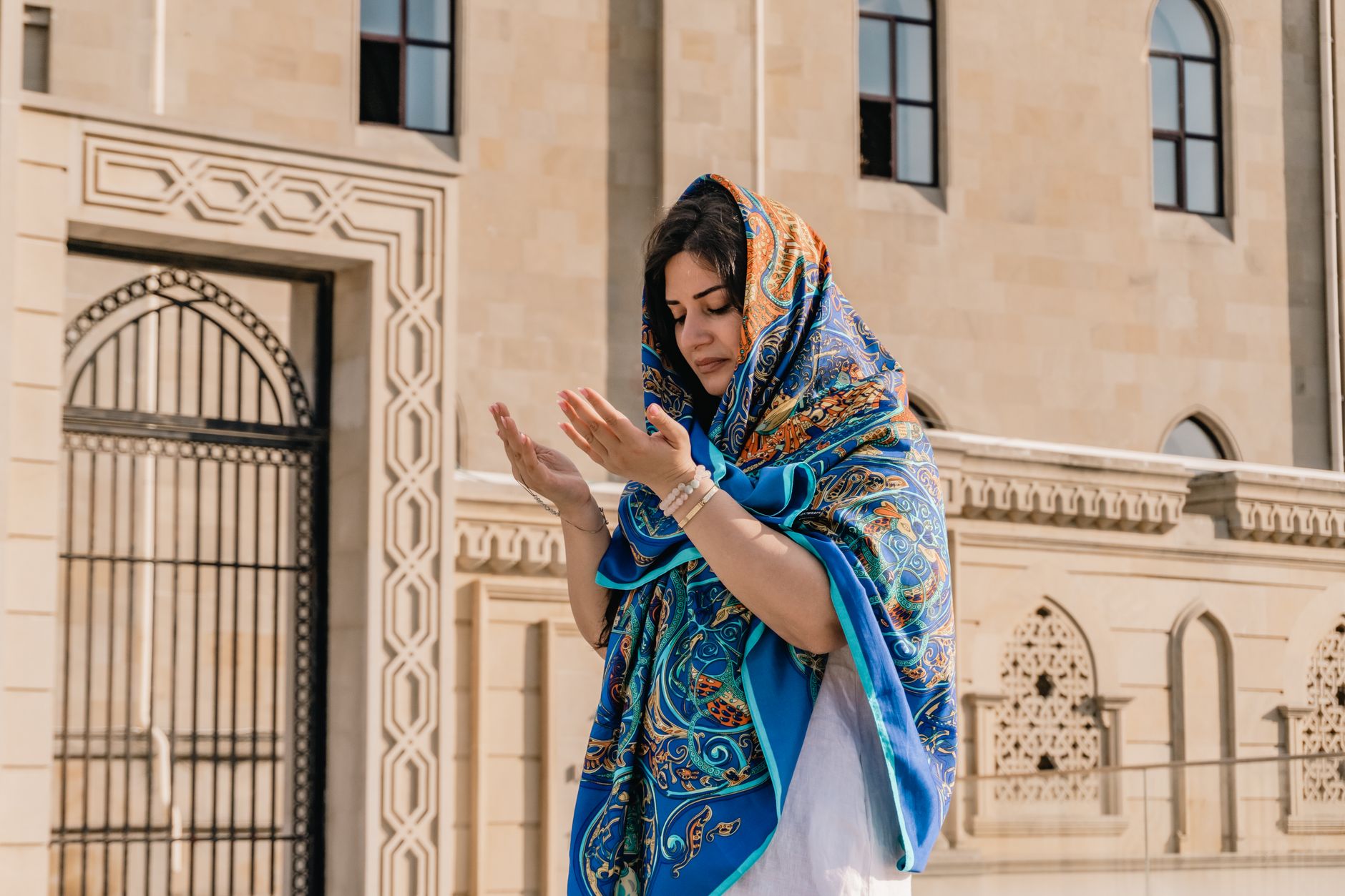
Tied loosely over a white linen shirt collar, a printed silk square (think Liberty-esque florals or bold geometric blocks) adds an editorial quality that no amount of layering achieves. Worn as a headscarf with a structured blazer, it references a very specific strand of ’60s British cool without feeling costumey. Knotted to a structured bag handle, it’s a different accessory entirely, softer, more personal, a bit continental.
What makes this work is contrast. A silk scarf against the texture of a plain knit, or a bold print against an all-neutral palette. The scarf does what the outfit cannot do for itself. British brands like Fenwick and Liberty London have both reported strong silk square sales through the first half of 2026, which tells you this isn’t fringe.
The case for the structured belt as a wardrobe transformer
The structured belt is probably the most underrated piece in this conversation. Most people own a belt; far fewer use it well. The distinction matters.
A wide leather belt in caramel or cognac, cinched over a flowy midi dress or even pulled through the loops of oversized linen trousers, immediately creates shape, hierarchy and intention. Suddenly the dress that looked comfortable but formless becomes a deliberate silhouette. The trousers read as tailored rather than casual. It’s genuinely remarkable what a few centimetres of leather does.
The trend this season leans towards substantial hardware: chunky gold buckles, architectural closures, the kind of belt that visually anchors an outfit rather than simply holding it together. High-street brands including ARKET and & Other Stories have stocked well here, but independent leather goods makers, particularly those running small workshops in the UK Midlands, are producing pieces that hold their quality across years rather than seasons.
If you’re working with the relaxed suiting looks that are dominating the British high street right now, a belt is the single addition that sharpens the whole aesthetic without undermining the ease of it.
Bags that do actual work
The statement bag of 2026 is not the logo-heavy flex piece of a few years ago. It’s something more considered: a clean silhouette in an interesting material or a slightly unexpected colour that reads as the natural endpoint of an outfit, not a separate transaction.
Structured totes in biscuit suede. Boxy mini bags in deep burgundy. Woven leather shoulder bags in natural tan. The shapes are architectural; the colour choices are doing the talking that logos used to do. And the move towards quality-over-quantity is sharp here, the same instinct driving minimalist, considered choices in wellness culture is clearly seeping into how British women think about investment accessories.
I’ve been watching the demi-fine end of this market closely. The bag equivalent, pieces priced between £150 and £600, from independent British designers and mid-market European labels available in the UK, is where the real action is. These are pieces that outlast trends because their design language is already beyond trend. They’re not trying to be of this moment; they’re trying to last fifteen years.
The key to making a bag work as a statement is restraint elsewhere. If the bag is the loudest thing, the rest needs to pull back. A deep emerald green structured shoulder bag looks extraordinary against head-to-toe camel or ivory. It looks confused next to a printed shirt and patterned scarf.
How to actually build an accessories-first outfit
The logic that most good stylists use is simple: start with the accessory, build the outfit around it. Pick the scarf colour, then find the neutral base that makes it sing. Choose the belt that excites you, then select clothes that let the belt do its job. It sounds backwards but it prevents the very common mistake of treating accessories as an afterthought, choosing a bag last and finding nothing works.
British style setters with genuinely strong personal aesthetics tend to own fewer, better accessories rather than a drawer full of options. Three scarves that are completely themselves. One belt that goes with almost everything. Two or three bags for different contexts. That’s enough. The diversity comes from how you combine them, not from how many you have.
This approach also aligns well with the heat-mapping wardrobe logic that some organised dressers are applying to their clothes, the idea that a small number of high-use pieces, worn constantly in different combinations, produces more interesting results than a large wardrobe used shallowly. The same principle, applied to accessories, produces outfits that feel sharp without requiring a different piece every day.
And if you’re thinking about how bold tailoring is being reclaimed by professional British women, accessories are doing a lot of the tonal work there too, softening the formality of a sharp trouser suit with a draped scarf, or giving edge to a sleek column dress with a strong-buckled belt.
Where to shop smartly for accessories in 2026
Charity shops and vintage markets remain genuinely excellent sources for scarves and belts in particular. The V&A Museum shop runs a consistently strong range of silk squares inspired by archive prints. For bags, a growing number of British independent designers are selling direct-to-consumer through their own websites, cutting out the margin that makes department store prices hard to justify.
The UK government’s guidance on responsible purchasing also increasingly supports buying from smaller domestic producers, which happens to align with where the most interesting accessories work is happening right now anyway.
The point isn’t to spend a fortune. A £35 vintage silk scarf from a market in Portobello Road, worn with intention, does more than a £350 piece treated carelessly. Statement accessories styling in 2026 is a skill, not a budget. Learn it, and your basics wardrobe gets several times more interesting overnight.
Frequently Asked Questions
What are the key statement accessories for UK women in 2026?
Silk scarves (worn at the neck, as headwear or tied to bags), structured leather belts with substantial hardware, and architectural shoulder or tote bags in considered colours are the three accessories doing the most work in 2026. The emphasis is on quality and intention rather than trend-chasing.
How do I use a scarf to elevate a basic outfit?
Contrast is everything. Tie a printed silk square loosely over a plain white shirt collar, wear an oversized wrap over a simple knit, or knot a slim scarf to a bag handle for an effortless finish. The scarf should provide colour, print or texture that the rest of the outfit deliberately lacks.
How wide should a belt be to work as a statement accessory?
A belt between 3cm and 6cm wide with visible, architectural hardware reads as a deliberate style choice rather than a functional one. Wider belts work particularly well cinched over midi dresses or layered over oversized blazers, where they create silhouette and visual structure.
What is a reasonable budget for a statement bag that will last?
The sweet spot for a quality bag that outlasts seasonal trends sits roughly between £150 and £600. Independent British designers and mid-market European labels available in UK stockists produce some of the most considered work at this price point. Vintage and pre-loved options can deliver the same result for considerably less.
Can I build an accessories-first capsule wardrobe on a tight budget?
Yes. Charity shops, vintage markets and museum gift shops (the V&A is excellent for scarves) offer genuine quality at low prices. Three carefully chosen scarves, one great belt and two versatile bags give you enough combination options to transform a small basics wardrobe significantly, it’s about selection, not volume.