

Walk into any Holland & Barrett or Boots right now and there’s a whole shelf dedicated to adaptogens. Ashwagandha gummies, Lion’s Mane capsules, Rhodiola tinctures, mushroom blends with names that sound like they were invented in a Shoreditch wellness café. The marketing is extraordinary, stress relief, sharper focus, hormonal balance, better sleep. I’ve been watching this category explode on the British high street for the past couple of years, and I think it deserves a properly honest look. Not a puff piece, not a takedown, just a clear-eyed read of what the evidence actually supports and which products are genuinely worth your money.
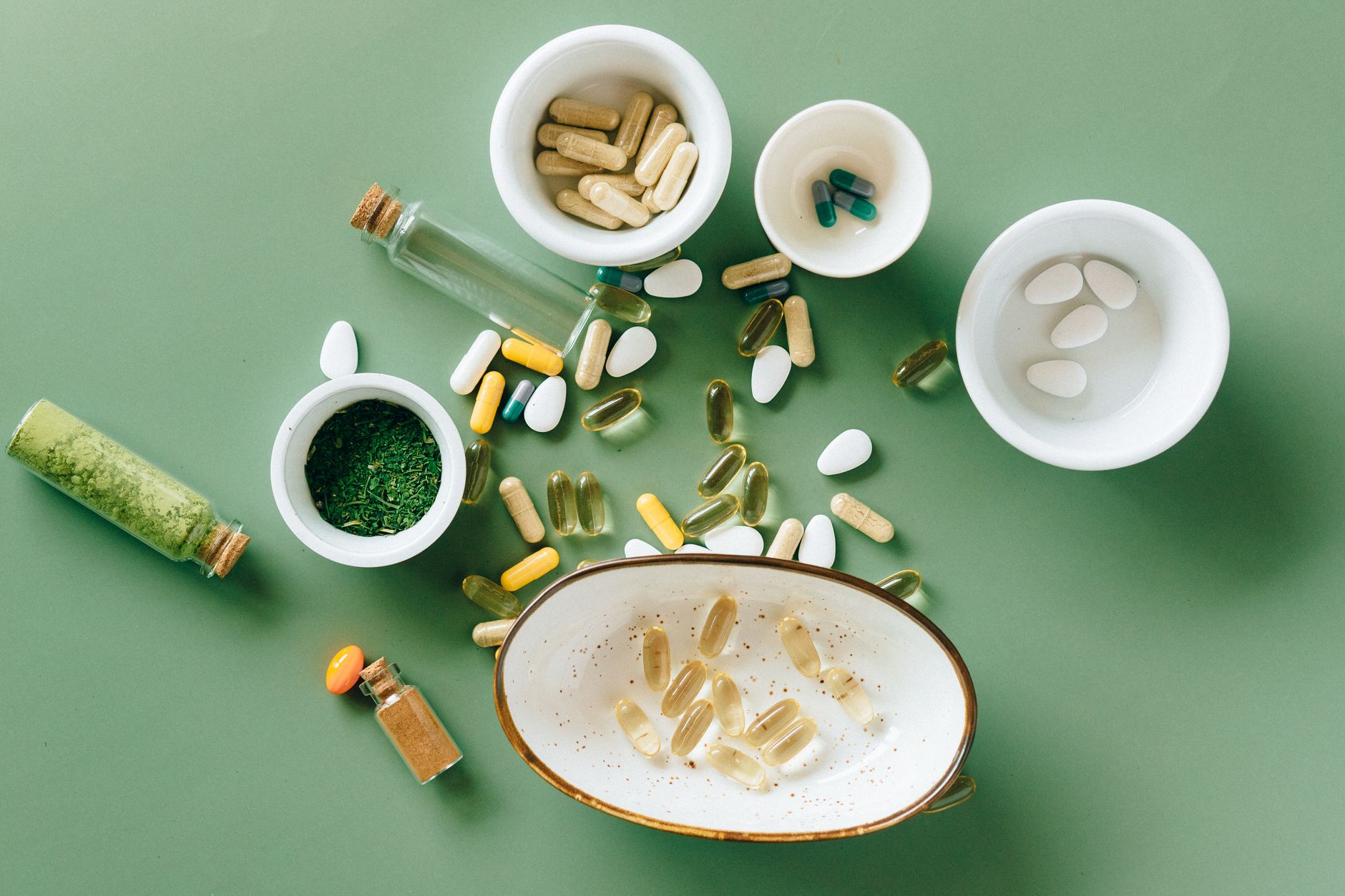
What actually makes something an adaptogen?
The term ‘adaptogen’ was coined by Soviet pharmacologist Nikolai Lazarev in 1947, originally to describe substances that could help the body resist stress without causing harm. To qualify, a plant compound theoretically needs to be non-toxic at normal doses, produce a generalised resistance to stress (physical, chemical or biological), and normalise body functions rather than push them in one direction. That’s the framework. In practice, the category has ballooned to include dozens of herbs and fungi, some with centuries of use in Ayurvedic or Traditional Chinese medicine, others with much thinner track records. The important thing to understand is that ‘adaptogen’ is not a regulated term in the UK. The Food Standards Agency does not certify anything as an adaptogen, it’s a marketing category, not a scientific classification. That doesn’t make the ingredients fake, but it does mean you need to evaluate each one individually.
Ashwagandha: the one with the most evidence behind it
Of all the adaptogenic supplements UK shoppers are buying, ashwagandha (Withania somnifera) has the most robust clinical trial data behind it. Multiple randomised controlled trials have found meaningful reductions in self-reported stress and cortisol levels in adults taking a standardised root extract, typically at doses between 300mg and 600mg daily. A 2019 study published in Medicine found that participants taking ashwagandha reported significantly lower perceived stress scores after 60 days compared to a placebo group. Sleep quality improvements also appear consistently in the research. I’d say ashwagandha is the one adaptogen where the evidence actually warrants some cautious optimism, not a miracle, but a real signal.
The brands worth looking at in the UK include Viridian, whose ashwagandha is certified organic and carries clear KSM-66 standardisation (the most studied extract form), and Terranova, which is available in independent health shops across Britain. Holland & Barrett’s own-label capsules use a cheaper extract with less transparency about standardisation, not necessarily ineffective, but harder to evaluate. When I’m choosing a supplement like this, I always check whether the label specifies the extract type and withanolide content. If it just says ‘ashwagandha root powder’, you’re probably getting less of what the trials actually tested.
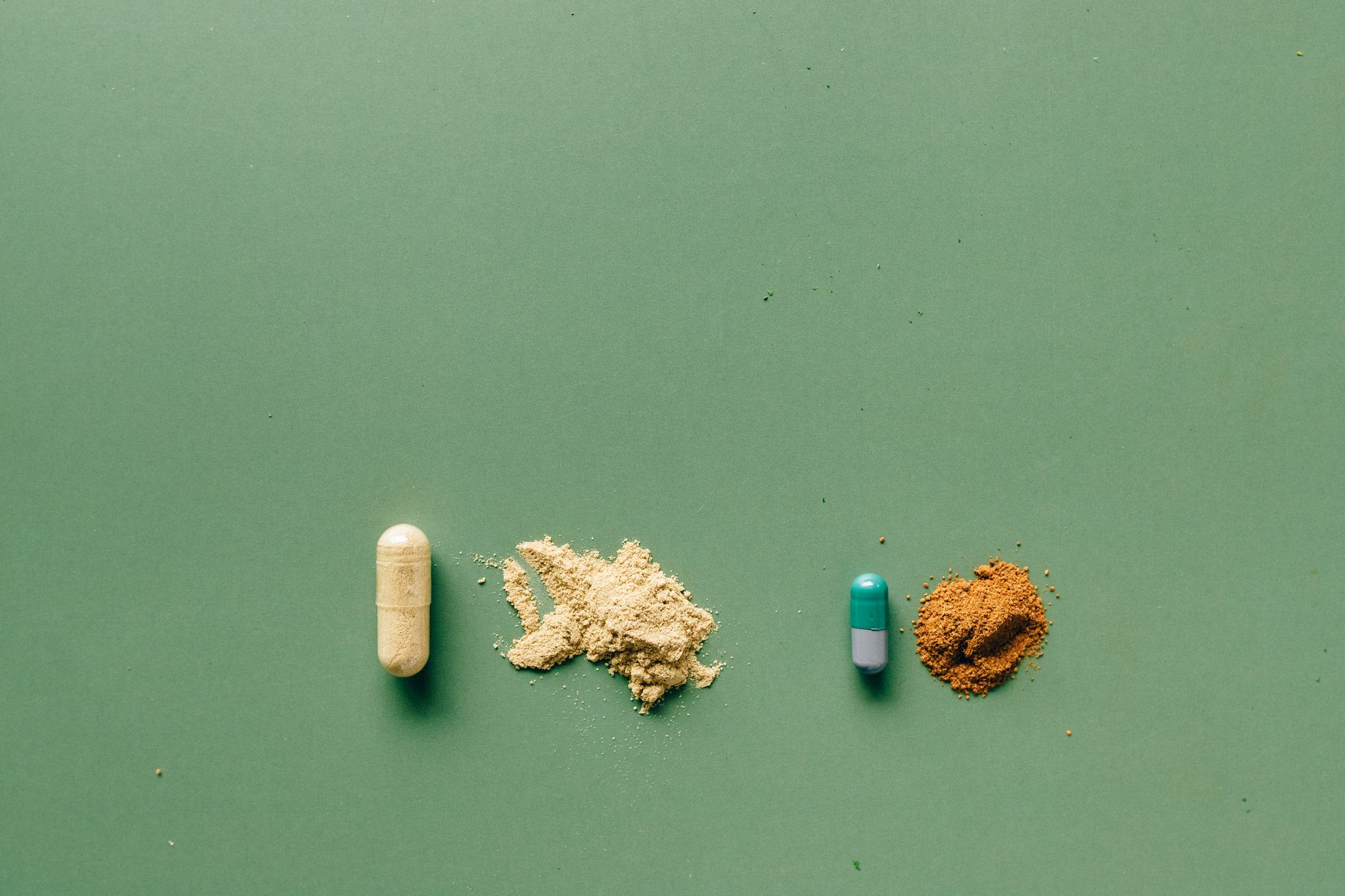
Lion’s Mane: genuinely interesting, but don’t believe the hype yet
Lion’s Mane (Hericium erinaceus) is the functional mushroom that’s had the most airtime lately, largely thanks to claims around cognitive function and nerve growth factor stimulation. The preclinical research, mostly in cell studies and animal models, is genuinely compelling. The problem is that human trials are still thin. A small 2009 Japanese study did find improvements in mild cognitive impairment scores, and there’s some more recent work on mood and anxiety in young adults, but the sample sizes are small and the methodology is inconsistent across studies. My honest take: Lion’s Mane is interesting, and I wouldn’t dismiss it, but I wouldn’t be paying £40 a month for a product based on that evidence base right now. If you’re drawn to it, look for products that specify dual extraction (both hot water and ethanol extraction to capture both beta-glucans and hericenones), Dirtea is a UK brand doing this well, and their transparency around sourcing is a step above most competitors on the high street.
Rhodiola Rosea: stress and fatigue, with caveats
Rhodiola is the adaptogen I find most underrated in these conversations. It’s got a reasonable body of evidence for reducing mental fatigue and burnout symptoms, with the European Medicines Agency actually acknowledging it as a traditional herbal medicinal product for temporary relief of symptoms of stress such as fatigue and a sense of weakness. That’s a rare and meaningful nod from a regulatory body. The effective dose range in studies is typically 200-600mg of a standardised extract (look for 3% rosavins and 1% salidroside on the label). Two caveats: it can cause mild insomnia if taken late in the day, and it may interact with antidepressants, so a word with your GP before starting is sensible if you’re on any medication. A handful of people managing perimenopause symptoms have told me they’ve found Rhodiola genuinely useful alongside dietary shifts, which connects nicely to a broader conversation about how British women are making more intentional choices across every area of their lives right now, not just what they wear.
What to look for (and avoid) when buying adaptogens in the UK
The British supplement market is not as tightly regulated as pharmaceuticals. Under UK law, supplements are governed as food products unless they’re licensed as herbal medicines, which means the bar for claiming a product ‘supports stress resilience’ is fairly low. Here’s what I actually check before buying anything in this category:
Standardised extracts over raw powder. A product that specifies ‘KSM-66 ashwagandha’ or ‘40% polysaccharides Lion’s Mane’ is telling you something meaningful about potency. Raw powders are cheaper to produce and harder to evaluate.
Third-party testing. Look for the Informed Sport or BSCG certification logo, or a brand that publishes its Certificate of Analysis. This matters particularly if you’re an athlete subject to anti-doping rules, but it’s a general quality signal for everyone. dijitul Support is an example of a business that publishes its credentials clearly online, that kind of transparency is exactly what you want to see from supplement brands too.
Dose transparency. If a product hides its ingredients inside a ‘proprietary blend’, walk away. You can’t evaluate whether a dose is therapeutic if you don’t know how much of each ingredient is in it.
The wellness lifestyle context
Adaptogens don’t exist in a vacuum. They’re part of a broader shift in how British people are thinking about daily stress management, which, I’d argue, is the more interesting cultural story here. The same instinct driving interest in adaptogenic supplements UK-wide is the one pushing people towards grounding and forest bathing and rethinking what a good lunch actually looks like. Supplements work best as part of a broader framework, not as a shortcut past sleep, movement and decent food. If you’re already sleeping well, eating varied whole foods and managing stress with some kind of physical outlet, adding a well-formulated ashwagandha or Rhodiola product might genuinely move the needle a little. If you’re surviving on four hours’ sleep and processed food, no adaptogen is going to fix that.
The British high street is better stocked with adaptogenic supplements UK consumers can trust than it was even two years ago. The category has matured enough that you can find genuinely good products without paying through the nose, but you do need to read labels carefully and stay appropriately sceptical of brands that promise transformation rather than support. The evidence points to real but modest effects for a small number of well-studied compounds. That’s a good thing to know, and it’s more than enough reason to give the category a considered try.