

It is ten to five on a Wednesday in late November. You leave the office in the dark, in the same black coat, black jumper and black boots you have worn since October, and the whole day feels like it has been rubbed out. Dressing for seasonal affective disorder is not a cure, and I’d be lying if I said a cobalt scarf would fix a proper depressive episode. But what you put on can nudge your mood, and it can push you towards the daylight you need, which is where the real help starts.
This piece covers what the NHS says about SAD and low mood, what colour, texture and light-minded dressing can realistically do, what artists can teach a winter wardrobe, and where clothes stop being the answer.
What does the NHS say about SAD and low mood?
The NHS describes seasonal affective disorder (SAD) as a type of depression that comes and goes in a seasonal pattern, most often starting in autumn or winter and easing in spring. Symptoms include a persistent low mood, losing interest in things you normally enjoy, irritability, feeling tired and sluggish, sleeping more than usual and craving carbohydrates.
The NHS guidance on seasonal affective disorder suggests seeing your GP if you think you have SAD and cannot cope with daily life. Treatments it lists include getting as much natural daylight as you can, exercising regularly, managing stress, light therapy, talking therapies such as CBT, and antidepressant medication. Clothing is not on that list, and it shouldn’t be.
Winter blues and SAD are not the same thing, either. Feeling flat when sunset arrives before 4pm in much of Britain in December is common. SAD is when the low mood is heavy, lasts for weeks and gets in the way of work, relationships or looking after yourself.
Dressing for seasonal affective disorder: what actually helps
Think of clothes as a small lever. They will not change your brain chemistry, but they can change your morning, your sense of being put together and how willing you are to leave the house. A well-known 2012 study by Hajo Adam and Adam Galinsky on ‘enclothed cognition’ found that the meaning people attached to a garment changed how they performed on attention tasks. It was not about seasonal mood, so I wouldn’t stretch it far. The sensible takeaway is that clothes you associate with feeling capable or cheerful tend to do some quiet work.
Colour
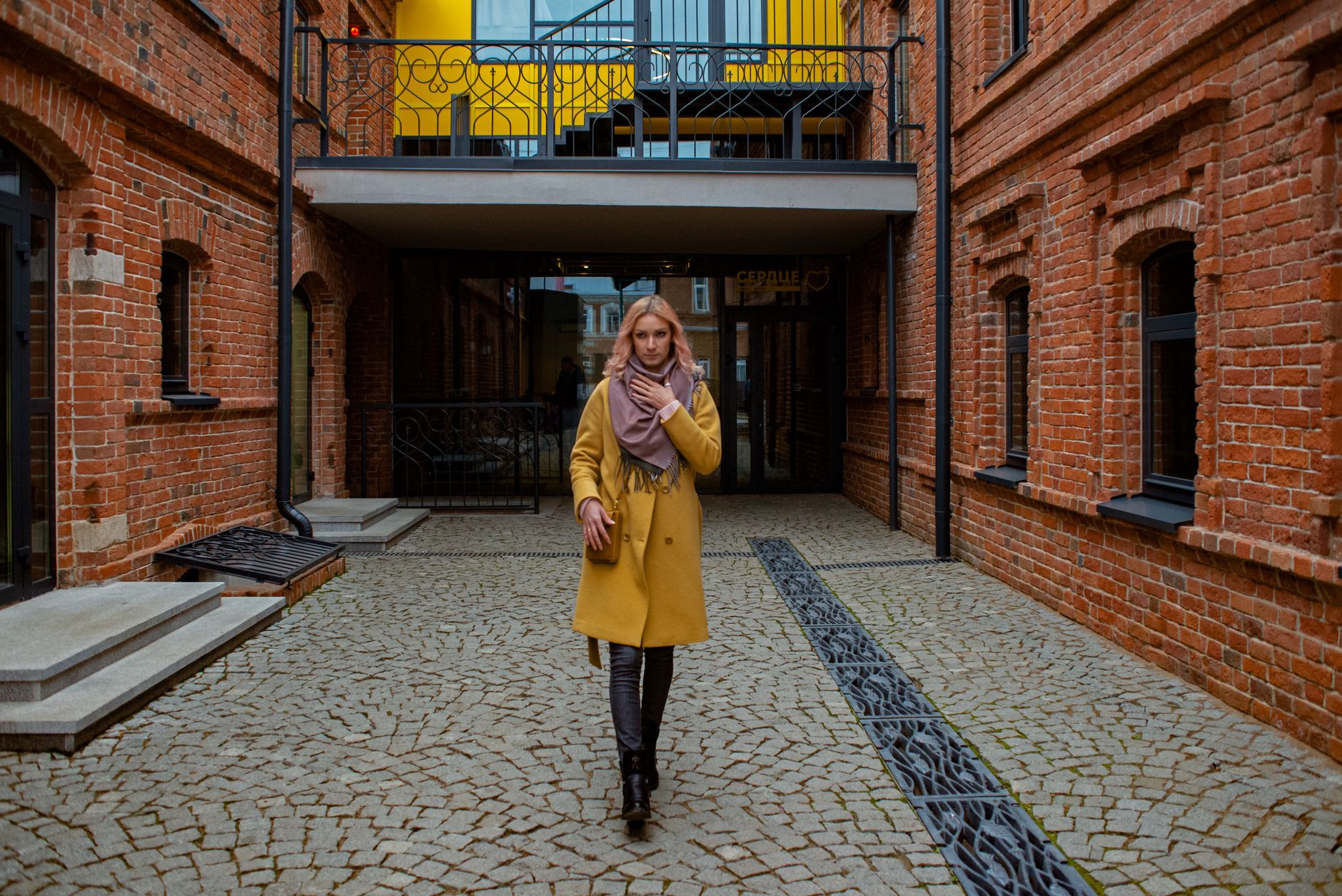
The evidence that a particular colour lifts clinical low mood is thin. What is true is that most of us have personal associations, and a flat winter wardrobe of black, charcoal and navy offers nothing to look at. My advice: pick one colour that makes you feel good and wear it near your face. Mustard, tomato red, bottle green, cobalt and warm pink all hold their own against a grey sky. A coat is the easiest place to start, because it is the first thing you put on and the only thing people see. If you are rebuilding your rainwear anyway, the guide to stylish waterproof layering shows how to get colour into a coat that works in the wet.
Texture
Dark months are tactile months. Brushed wool, corduroy, chunky ribbed knits, velvet and fleece-lined anything give comfort through your skin, which colour alone can’t. Texture also gives a dark outfit depth, so an all-neutral look stops reading as flat. Contrast is the trick: a slick satin skirt with a heavy cable knit is the wardrobe version of the thinking behind mixing antique and modern furniture, where one rough surface makes the smooth one look better. If feeling cold drags your mood down, and for many people it does, fabric choice matters too. The piece on British thermal dressing covers layers that keep you warm without the bulk.
Light-minded dressing
This is the part I care about most. Light-minded dressing means building outfits that get you outside in daylight, because natural light is one of the NHS’s own recommendations. In practice that means a coat and boots you will actually wear at lunchtime, a hat and gloves so a twenty-minute walk is not a punishment, and pale or reflective pieces, such as a cream scarf, a metallic buckle or a silver earring, that catch what little light there is. Dress for the lunchtime walk, not just the commute.

What artists can teach a winter wardrobe
Artists have always treated colour as a decision rather than a safe default. Henri Matisse, working in his later years with scissors and painted paper, built enormous compositions from saturated blocks of colour. David Hockney painted the East Yorkshire landscape in vivid oranges, purples and greens that no winter hedgerow strictly offers. Neither was being realistic. They were being generous with colour, and that is a handy permission slip for getting dressed in November.
The arty approach is simple. Choose two or three colours that sit together, repeat them across an outfit and let one be unexpected: a lilac bag with a rust coat, or pink socks under dark trousers. Treat your wardrobe like a palette rather than a uniform. The same instinct works beyond clothes, and if you want a warmer, more decorative take on creative wellbeing, with colour and craft in the mix, hildenhouse.co.uk is a good place to browse.
Where clothing stops
I’ll be blunt: if getting dressed feels impossible, or your mood has been low for weeks, no amount of styling is the answer. Bright clothes can become a mask if you use them to avoid admitting you are struggling. The NHS advises speaking to your GP if low mood is affecting your life, and if you feel you might harm yourself, you can call NHS 111 and choose the mental health option, or phone Samaritans free on 116 123.
Use clothes as a supporting act. Wear the colour, choose the soft fabric, put on the coat that gets you out at lunchtime, and book the GP appointment if the weeks keep stacking up. If you are wondering whether to make the call, make it.
Frequently Asked Questions
Is seasonal affective disorder a real condition?
Yes. The NHS recognises seasonal affective disorder (SAD) as a type of depression that follows a seasonal pattern, usually worse in winter. It is more than a case of the winter blues, and a GP can discuss treatment options such as light therapy or talking therapy.
Does wearing bright colours help with winter low mood?
It can help some people feel more positive, but the evidence for any specific colour treating low mood is limited. Treat bright clothes as a small boost, not a treatment. Persistent low mood needs advice from your GP.
What colours are best to wear in winter to feel better?
There is no proven best colour, so choose what makes you feel good. Warm shades such as mustard, rust, red and pink, or strong jewel tones such as green and cobalt, are popular because they stand out against grey British winter skies.
When should I see a GP about winter low mood?
See your GP if low mood lasts for weeks, keeps returning each winter or makes daily life, work or relationships hard to manage. The NHS advises getting help if you think you have SAD and cannot cope, rather than waiting for spring.
Can getting outside in daylight really help SAD?
The NHS lists getting as much natural sunlight as possible as a practical step for SAD, even on cloudy days. A lunchtime walk or a short stroll before work counts. Wearing a warm, comfortable coat makes that habit much easier to keep.

Leave a Reply