Author Profile

  • Why Custom Printed Sneakers Are The Next Big Flex

    Why Custom Printed Sneakers Are The Next Big Flex

    Custom printed sneakers are everywhere right now, but most people are still getting them wrong. If you are going to walk around with your personality on your feet, it needs to look intentional, not like a dodgy festival freebie.

    Why custom printed sneakers are blowing up

    Streetwear has always been about one thing: standing out without trying too hard. Logos got louder, then everyone had the same ones. Collabs went crazy, then they started to feel lazy. Custom printed sneakers are the natural next step – your design, your story, your rules.

    Gen Z and younger millennials are bored of mass produced drip. They want pieces that feel personal, limited and a bit rebellious. A clean pair of customs hits that sweet spot: wearable every day, but still one of one. Brands know this, which is why you are seeing more custom studios, pop up personalisation bars and online creators selling their own designs on classic silhouettes.

    How to design custom printed sneakers that look premium

    The difference between fire customs and tragic ones usually comes down to restraint. Here is how to make custom printed sneakers look expensive rather than chaotic.

    First, pick a base that already works. All white or neutral trainers are the easiest canvas. Chunky runners and basketball styles take bold prints well, while slimmer silhouettes suit cleaner, minimal graphics. If the shoe is already busy with panels and textures, keep the print simple or you will lose the shape completely.

    Next, lock in a tight colour story. Two or three colours, max. Pull from your wardrobe – if you live in black, greys and deep green, do not suddenly go neon rainbow. Repeating a single accent colour across the tongue, heel tab and side panels looks deliberate and elevated.

    Smart print placements that actually work

    Placement is where custom printed sneakers really separate themselves. You do not need to cover every inch of the shoe to make a statement. In fact, you probably should not.

    Try micro prints on the heel, subtle patterns wrapping the midsole, or a graphic that only shows from the inner side of the foot. These little details feel more grown and less like you attacked your trainers with clip art. For bolder looks, go for a full print on just one section – for example, the toe box or quarter panel – and leave the rest clean.

    If you are into artwork or photography, think about how it will crop across curved surfaces. Faces and text can warp badly. Abstract shapes, gradients and textures usually translate best when the shoe flexes as you move.

    Tech is quietly levelling up sneaker customisation

    Behind the scenes, digital tools are making it easier to experiment before you commit. Online configurators let you mock up patterns, rotate the shoe in 3D and tweak colours until it hits. Some studios even prototype details using 3d print services for lace locks, badges or custom tags before locking in the final design.

    The result is a cleaner finish and fewer regrets. You can test how loud you really want to go, or see if that wild idea actually works with denim, cargos and shorts before you spend real money.

    How to style custom printed sneakers without trying too hard

    Once you have nailed the design, do not ruin it with messy styling. Let the trainers lead. If your customs are loud, keep the fit simple: straight leg denim, a plain tee, maybe a single statement accessory. If the print is subtle, you can echo the colours in your jacket or bag for a more put together look.

    One rule: avoid clashing prints near your feet. Patterned trousers plus heavy sneaker graphics is a lot, unless you really know what you are doing. If in doubt, go solid on the bottom half and let the shoes talk.

    Are these solutions worth the hype?

    If you care about personal style, yes. They are one of the cleanest ways to wear something nobody else has, without drifting into full costume territory. Done right, these solutions are not a gimmick – they are just a sharper, more honest version of what you already love to wear.

    Lineup of different custom printed sneakers displayed in a clean studio environment
    Friends on a court wearing unique custom printed sneakers as part of casual streetwear looks

    Custom printed sneakers FAQs

    Are custom printed sneakers durable enough for everyday wear?

    Durability comes down to the base shoe and the print method. High quality trainers with professional grade inks or films will hold up fine for daily wear, especially if you avoid constant soaking and scrub them gently. Cheap bases and bargain printing usually crack or fade fast, so it is worth paying a bit more for a studio that knows what it is doing.

    What outfits work best with custom printed sneakers?

    Keep the rest of your outfit simple and let the shoes carry the personality. Solid tees, hoodies, cargos and straight leg denim are ideal. You can pull one colour from the sneaker design into your top or accessories to make the look feel intentional without going overboard.

    Can I design my own artwork for custom printed sneakers?

    Yes, most custom studios will let you upload your own artwork or graphics. Just make sure the file is high resolution and think about how it will wrap around curved panels. Abstract shapes, textures and bold blocks of colour usually translate better than tiny text or detailed portraits.

  • How To Stop Panic Buying Trends And Build A Personal Style Filter

    How To Stop Panic Buying Trends And Build A Personal Style Filter

    If your wardrobe is full but you still feel like you have nothing to wear, it is time to stop panic buying trends and build a ruthless personal style filter.

    Why we keep panic buying trends

    Micro-trends move faster than your bank balance can keep up with. Every week there is a new colour, shoe or silhouette you are told you “need”. It is not a lack of willpower – it is how the system is built. Limited drops trigger FOMO, influencer hauls normalise weekly shopping, and algorithms feed you the exact pieces you have been hovering over.

    Panic buying usually comes from three places: wanting to belong, wanting a quick confidence hit, and straight up boredom. The problem is that the high is temporary, but the clutter is permanent. You end up with rails of almost-right pieces that do not work together, while your true style gets drowned out by impulse.

    Audit your wardrobe before you buy anything else

    Before you try to stop panic buying trends, you need to know what you already own. A wardrobe audit is not cute, but it is essential. Pull everything out. All of it. Put it on your bed so you are forced to finish.

    Sort into four piles: on repeat, solid but neglected, repair/alter, and mistake. Be brutal. The repeat pile shows you what you actually wear when no one is watching. The neglected pile usually holds great pieces that are blocked by bad styling or missing basics. Repair and tailoring can turn “almost” items into go-tos. The mistake pile is your reality check – these are the things you bought in a rush for a trend, a night out or a fantasy version of yourself.

    Look for patterns. Do you always reach for wide leg trousers but keep buying skinny jeans because they are “back”? Do you live in trainers but keep grabbing heels for nights out you do not even enjoy? Your audit is data. Use it.

    Build a personal style filter that kills impulse

    A personal style filter is a set of rules that every new piece has to pass before it gets anywhere near your wardrobe. It is how you stop panic buying trends without feeling deprived. Start with three pillars: lifestyle, silhouette and vibe.

    Lifestyle is non negotiable. If you spend most of your week commuting, sitting at a desk and hitting the gym, your clothes need to work for that life, not the imaginary one in your saved posts. Silhouette is about what shapes you feel powerful in – maybe that is oversized on top and fitted on the bottom, maybe it is the opposite. Vibe is the energy: clean and minimal, sporty, glam, street, soft, whatever actually feels like you.

    Write it down. Example: “I wear relaxed, slightly oversized shapes, neutral colours with one bold accent, trainers or chunky boots, and everything must be comfortable enough to commute in.” That sentence is your filter. If a piece does not fit, it is a no.

    Questions to ask before you check out

    To really stop panic buying trends, you need a pre-checkout interrogation. No exceptions. Before you tap buy, ask yourself:

    • Can I style this three different ways with pieces I already own?
    • Would I wear this next month if it was not all over social media?
    • Does it match my real life, or just my saved outfit inspo?
    • Does the fit and fabric feel good enough that I will reach for it on a tired Monday?
    • What am I trying to fix with this purchase – boredom, insecurity, or an actual gap?
    • If this sold out right now, would I genuinely be gutted, or just mildly annoyed?

    If you cannot answer confidently, close the tab. The piece is not for you, it is for the algorithm.

    Shopper using a personal style filter to stop panic buying trends while browsing online
    Curated capsule wardrobe created to stop panic buying trends

    Stop panic buying trends FAQs

    How do I actually stop panic buying trends when everything feels urgent?

    You will not switch it off overnight, so change the process, not just your mindset. Remove saved cards from shopping apps, turn off sale notifications and unfollow accounts that trigger constant hauls. Use a strict cooling off period for any non essential purchase, and make yourself try to style the item three ways using what you already own. If you cannot, or you forget about it after a couple of days, it was never worth the panic.

    What if I like trends and do not want a boring wardrobe?

    You do not need to avoid trends completely. The point is to filter them. Build a strong base of pieces that fit your lifestyle and body, then layer trends in as accents – a colour, a bag, a texture, a shoe. Focus on trends that still look like you, even when they are everywhere. When your core style is clear, trends amplify it instead of replacing it.

    How often should I audit my wardrobe to stay on track?

    Aim for a light audit every season and a deeper clear out twice a year. At the start of each season, check what you actually wore last year, what needs repairing, and what no longer fits your style filter. Regular audits keep you honest about your habits, highlight what you genuinely need, and make it much easier to resist another rushed, trend driven haul.

  • Quiet Luxury Streetwear: The New Uniform of Cool

    Quiet Luxury Streetwear: The New Uniform of Cool

    Quiet luxury streetwear is the answer for anyone who is bored of logo wars but still wants to look like they know exactly what they are doing. It is low key, expensive looking and built for real life – not just for photos.

    What is quiet luxury streetwear, really?

    Strip it back. Quiet luxury streetwear is about sharp cuts, quality fabric and pieces that whisper money instead of shouting it. Think clean hoodies in heavy cotton, wide leg trousers that actually drape, and trainers that look premium without a giant badge screaming the brand.

    The point is not to look rich. The point is to look sorted. Polished, unfazed, like you have better things to do than chase hype drops. It is streetwear that grew up, got a life and stopped caring what everyone else thinks.

    Key pieces that define quiet luxury streetwear

    You do not need a whole new wardrobe. You just need smarter versions of what you already wear every day.

    • The heavyweight hoodie: Go for dense cotton, clean lines and no graphics. One in black, one in a muted tone like stone or deep green will carry you through most weeks.
    • Tailored joggers or wide leg trousers: Swap flimsy trackies for structured joggers or wool blend trousers. Same comfort, different energy.
    • Minimalist trainers: Leather or high quality mesh, simple colour blocking, no neon circus. The kind of pair you can wear to brunch and a bar without changing.
    • Boxy T shirts: Slightly cropped, heavier fabric, perfect neck line. No cracked prints, no festival leftovers.
    • Understated outerwear: A clean bomber, a short wool coat or a technical shell in one solid colour will finish everything.

    How to style quiet luxury streetwear without trying too hard

    The trick is balance. Every loud piece needs something calm next to it. Every relaxed piece needs something structured to stop you looking half asleep.

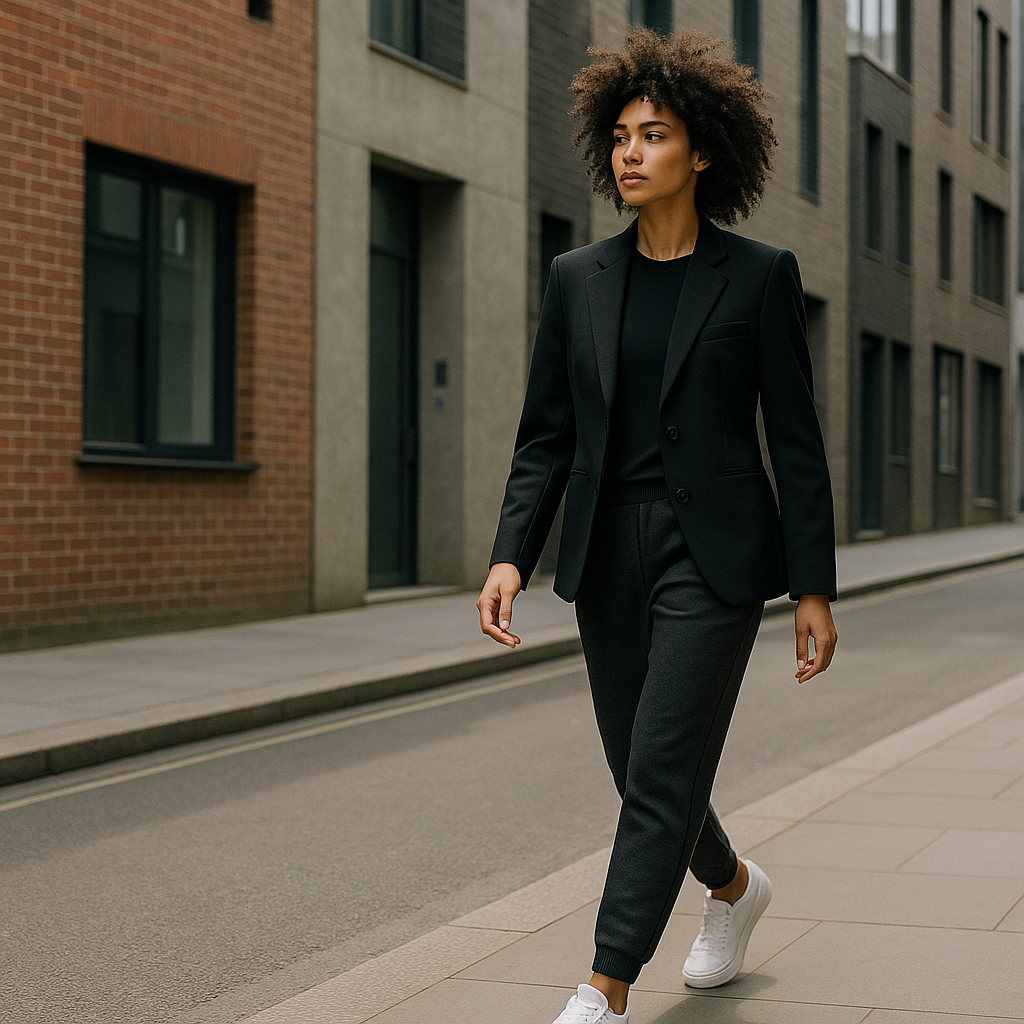
    Start with a base: a crisp T shirt and tailored joggers. Add a heavy hoodie or zip up. Throw on a wool coat or bomber over the top. Keep the palette tight – black, grey, navy, cream, olive. One accent colour max. If you would not see it in a gallery space, skip it.

    Accessories should feel considered, not desperate. A slim leather belt, a simple cap, a clean watch. Jewellery should look like you own it, not like you borrowed it for the night.

    Bringing quiet luxury into your space

    Style is not just what you wear. It is the backdrop too. The same rules apply at home: clean lines, good materials, no clutter. Neutral walls, solid wood, textured throws and one or two bold art pieces beat a room stuffed with random decor.

    Even practical details can play into the look. Simple, fabric rich window coverings, like roman blinds in linen or cotton, give a softer, grown up finish compared to plastic or patterned options. Think of your room like an outfit – every element should earn its place.

    Why everyone is moving towards quiet luxury streetwear

    People are tired. Tired of chasing drops, tired of queuing, tired of outfits that only work online. Quiet luxury streetwear fits actual life – commuting, working, travelling, nights out that are not sponsored by a drinks brand.

    It is also more sustainable in the most basic sense: you buy less. One solid coat you wear for years is better than five cheap ones that fall apart after a season. When you pick quality, you stop needing a constant stream of newness just to feel put together.

    How to start your quiet luxury shift today

    You do not need a stylist or a massive budget. Start by editing. Pull everything out of your wardrobe and be ruthless. Anything that feels flimsy, over branded or impossible to style with more than one thing can go.

    Then upgrade slowly. Replace your worst hoodie with one premium, blank version. Swap the loudest trainers for a clean pair. Trade one printed tee for a perfect plain one. Each move pulls your look closer to these solutions without you having to change who you are.

    Minimalist wardrobe rail showcasing neutral toned quiet luxury streetwear essentials
    Modern living room with a relaxed person dressed in quiet luxury streetwear matching the clean decor

    Quiet luxury streetwear FAQs

    Is quiet luxury streetwear only for people with big budgets?

    No. While the aesthetic is inspired by high end brands, you can build the look at almost any price point. Focus on fabric, fit and simplicity instead of labels. Buy fewer items, but choose the best quality you can afford. Upgrading core pieces like hoodies, trousers and trainers over time is more effective than blowing money on one flashy item.

    Can I still wear logos with quiet luxury streetwear?

    Yes, but keep them subtle. Small, tonal logos or discreet branding can work if the rest of the outfit is clean and well fitted. The problem is not logos themselves, it is when the logo becomes the whole personality. If you could cover the logo and the piece still looks good, it probably fits the quiet luxury mindset.

    How do I make my existing wardrobe feel more quiet luxury?

    Start by tightening your colour palette to neutrals and a couple of accent shades. Then remove anything that feels cheap, overly loud or hard to style. Prioritise structured joggers, heavyweight T shirts and simple outerwear. Steam or iron your clothes, clean your trainers and tailor pieces that almost fit. Small upgrades in fit and finish can push an ordinary outfit towards quiet luxury streetwear without buying everything new.

  • The Rise Of Quiet Luxury Bags: Why Loud Logos Are Over

    The Rise Of Quiet Luxury Bags: Why Loud Logos Are Over

    Quiet luxury bags are everywhere right now, and if you are still chasing giant logos, you are already behind. This is the shift from flexing to actually having taste, and it is showing up on every front row, street style reel and airport paparazzi shot.

    What actually makes a bag “quiet luxury”?

    Quiet luxury is not about being boring or minimal for the sake of it. It is about pieces that whisper money instead of screaming it. With quiet luxury bags, the focus is on materials, silhouette and subtle details, not branding the size of a billboard.

    Look for full grain or vegetable tanned leather, clean hardware and stitching that looks sharp even close up. Branding is either tiny, tone on tone or hidden inside. If the first thing you notice is the logo, it is probably not quiet luxury. If the first thing you notice is the shape and texture, you are closer.

    Why quiet luxury bags are taking over in 2026

    People are tired of looking like walking adverts. After years of hype culture and resale madness, there is a push back. Quiet luxury bags fit a few key shifts: sustainability, subtle status and versatility. You get one bag that works with gym gear, a blazer and a slip dress, instead of five trend pieces that date in a year.

    There is also a social element. Loud logos read as trying too hard. A clean, beautifully made bag reads as confidence. You are not buying the name to feel valid. You are buying the design because it actually works for your life.

    How to spot good quality in quiet luxury bags

    If you are going to strip back the branding, the quality has to hold up. Start with the leather. It should feel substantial but not stiff, with a natural grain and no plastic shine. Run your finger along the edges – are they smooth, evenly finished and not flaking? Check the zip glide and the weight of the hardware. Cheap metal feels tinny and light.

    Inside, the lining should not be an afterthought. Cotton, canvas or suede feel premium and last longer than thin polyester. Pockets should be actually usable – phone, keys, card holder – not just decorative. Quiet luxury bags are built to be used, not just photographed.

    Styling quiet luxury bags with streetwear and sport looks

    This is where it gets interesting. The old rule was logo bag, logo trainers, logo tracksuit. Now the move is mixing a clean, under the radar bag with sport and street pieces. Think wide leg track pants, vintage football top and a structured leather shoulder bag. Or cycling shorts, oversized hoodie and a sleek top handle.

    Keep the colour palette tight. Black, chocolate, tan, cream and deep navy are the safest bets. Let your trainers or jewellery carry the louder moment, while your bag grounds the outfit. The contrast between casual sport fabrics and refined leather is what makes these solutions feel current instead of corporate.

    Practical details that matter more than the logo

    Function is the new flex. If a bag cannot handle your real life, it is not luxury, it is clutter. Look for secure closures, smart internal pockets and straps that actually sit comfortably on the shoulder. For everyday use, top zips and magnetic closures are non negotiable if you commute or move through busy cities.

    Crossbody and shoulder options are winning right now because they keep your hands free for coffee, phone and gym bag. If you want something secure and streamlined, styles like Zip top handbags quietly tick the box without shouting about it.

    How to buy into the trend without wasting money

    You do not need ten these solutions. You need one or two that actually fit your lifestyle. Start with your daily uniform. If you live in activewear and trainers, go for a small to medium crossbody in a neutral shade. If you are in blazers, shirts and tailored trousers most days, a structured tote or top handle makes more sense.

    Close up of premium leather details on quiet luxury bags in neutral tones
    Modern outfit flatlay mixing sporty trainers and blazer with quiet luxury bags

    Quiet luxury bags FAQs

    Are quiet luxury bags worth the higher price?

    They can be, if the quality matches the cost and you actually use the bag daily. You are paying for materials, construction and timeless design, not just a logo. If you pick a versatile shape in a neutral colour and wear it constantly for years, the cost per wear often beats cheaper, trend led pieces that fall apart or go out of style quickly.

    How do I style quiet luxury bags for casual outfits?

    Keep your outfit relaxed and let the bag do the elevating. Pair joggers, a fitted vest and a bomber jacket with a simple leather crossbody or shoulder bag. Stick to clean lines and a tight colour palette so the bag looks intentional, not random. The contrast between casual fabrics and a refined bag is what makes the look feel modern.

    Which colours are best for quiet luxury bags?

    Black, deep brown, tan, cream and navy are the most wearable options and work across seasons. If you want something slightly bolder, muted tones like olive, burgundy or slate blue still feel refined. Avoid overly bright, neon shades if you want that quiet luxury feel, as they tend to read more trend driven than timeless.

  • How Money Stress Is Quietly Killing Your Style (And What To Do About It)

    How Money Stress Is Quietly Killing Your Style (And What To Do About It)

    If you think financial wellness and fashion live in different universes, you are lying to yourself. Money stress shows up in your wardrobe, your skin, your sleep and your social life. You can pretend it is not that deep, but your outfits are already telling the truth.

    Why financial wellness and fashion are linked

    Style is not just about clothes, it is about how you move through the world. When your money is chaos, your style usually follows. Overspending on drops you cannot afford, panic buying outfits for every event, then living in the same grey hoodie because your bank app is bullying you – that is not personal style, that is financial anxiety in disguise.

    On the flip side, when your money is calm, your style gets sharper. You plan, you edit, you buy with intention. Your wardrobe starts to look like you, not like a mash-up of panic purchases and TikTok trends you never really liked.

    How money stress wrecks your style without you noticing

    Let us be honest about what actually happens when your finances are messy:

    1. You chase trends instead of building a look

    When you feel behind in life, it is easy to overcompensate with clothes. Every haul looks like a fresh start. But constant micro-trends mean you are burning cash on pieces that are dead in three months. That is not financial wellness and fashion, that is just expensive insecurity.

    2. You underinvest in key pieces

    Because your budget is unstable, you keep buying cheap replacements instead of one solid version. Trainers that fall apart, jeans that lose shape, coats that look tired after one season. Long term, that costs more money and gives you less confidence. A few quality staples will carry you harder than a pile of flimsy fast buys.

    3. You avoid social plans because you are skint

    Money stress does not just change what you wear, it changes where you go. You start dodging nights out, events and even gym classes because you are worried about the bill. That isolation hits your mood and your self image, which then hits how you dress. It is a spiral.

    Building a money-smart wardrobe that still looks hard

    Here is the blunt truth: you do not need more clothes, you need a better plan. Financial wellness and fashion can work together if you stop lying about your habits.

    Audit your wardrobe like a bank statement

    Pull everything out. Separate what you actually wear, what you love but never style properly, and what needs to go. Be ruthless. This is your reset. You will probably find you already own the base of a strong look – it is just buried under clutter.

    Decide your uniform

    Every stylish person has a loose uniform. Streetwear with clean trainers. Minimal gym-to-brunch fits. Tailored basics with one loud piece. Once you know your lane, you stop buying random stuff that does not fit the vision. That is where financial wellness and fashion finally align.

    Spend where people actually notice

    Outer layers, footwear, bags and grooming do the heavy lifting. People clock your coat, your trainers, your skin and your hair before they notice your T-shirt brand. Put more budget into the visible pieces, keep the underlayers simple and repeatable. It is smarter and it looks more intentional.

    Money moves that quietly upgrade your style

    Getting your wider finances under control matters too. Side hustles, realistic budgets and even looking at things like mortgages can shift you from short term panic to long term calm, which shows up in the way you dress and carry yourself.

    Some banks now offer spending breakdowns that make it painfully clear how much you are burning on impulse buys. Use that. Set a monthly style budget that you actually respect. When it is gone, it is gone. This forces you to choose between another random top or saving for those boots that will carry you for years.

    Curated wardrobe showing how financial wellness and fashion can work together
    Confident shopper expressing financial wellness and fashion through a considered outfit

    Financial wellness and fashion FAQs

    How can I balance financial wellness and fashion on a tight budget?

    Start by deciding your core style and building a small rotation of outfits you actually wear, instead of chasing every trend. Set a strict monthly clothing budget, focus on versatile staples, and only add new pieces that work with at least three things you already own. Resell what you do not wear to fund better quality items and stop impulse buying just because something is discounted.

    Is it worth paying more for quality clothing?

    Yes, if you are strategic. Paying more for well made trainers, coats, bags and denim usually saves money over time because you are not constantly replacing them. Prioritise pieces you wear weekly and keep cheaper basics for items that are less visible or trend led. The goal is fewer, better pieces that fit your real lifestyle, not just your wish list.

    How does financial stress affect my personal style?

    Financial stress can push you into two extremes: overspending to keep up appearances or shutting down and avoiding social situations altogether. Both damage your confidence and relationship with clothes. When your money is calmer, you tend to buy more intentionally, experiment more with what you already own and show up in outfits that actually feel like you.

  • How To Nail Quiet Luxury Sportswear On A High-Street Budget

    How To Nail Quiet Luxury Sportswear On A High-Street Budget

    Quiet luxury sportswear is not about screaming logos or chasing hype drops. It is about looking expensive without handing over your entire salary. Clean lines, minimal branding and fabrics that feel rich on the skin – even if they came from the high street.

    What quiet luxury sportswear actually looks like

    Forget big chest logos and neon panels. The quiet luxury look is subtle and grown. Think sharp silhouettes, tonal colours and details that only really show up when you are close: good stitching, smooth zips, weighty drawcords. If an item only looks good in a product photo and feels flimsy in real life, it is not it.

    The goal is to build a small edit of pieces that mix gym, airport and city in one. You should be able to wear the same track jacket to brunch, a flight and a late-night walk and still look put together.

    Key quiet luxury sportswear pieces to invest in

    You do not need a huge wardrobe. You need the right base pieces that carry everything else.

    The track jacket

    Go for a slim or slightly relaxed track jacket with minimal seams and almost no branding. Look for:

    • Matte fabric instead of shiny polyester
    • Simple zip front, no contrast panels
    • Stand collar or neat hood that actually sits flat

    Pair it with matching joggers for a low-key set, or throw it over straight-leg jeans for a sport-meets-street look.

    Wide-leg joggers

    Wide-leg joggers are non-negotiable if you want that modern, off-duty athlete vibe. Skip the saggy, thin fleece. Choose a heavier knit or double-knit fabric that drapes instead of clings. Aim for:

    • Mid or high rise with a flat, clean waistband
    • Minimal ankle branding, no giant side text
    • Full length that just kisses the top of your trainers

    They should move like tailored trousers, not pyjama bottoms.

    Sleek trainers

    Your trainers carry the whole outfit. You want sleek, not chunky cartoon feet. Look for low or mid-profile shapes, plain uppers and subtle colour blocking. Leather, vegan leather or good-quality mesh instantly looks more premium than plasticky shine. Keep logos tiny or tone-on-tone.

    Choosing a quiet luxury colour palette

    Colour is where most people ruin a good outfit. Quiet luxury sportswear works best in a tight palette so everything mixes together.

    • Base tones: black, charcoal, deep navy, stone, chocolate brown
    • Soft neutrals: oat, cream, greige, soft taupe
    • Accent shades: forest green, muted burgundy, slate blue

    Build your main pieces in base tones. Use soft neutrals for hoodies, tees and mid-layers. Drop in one accent piece at a time – a forest green track jacket or burgundy cap – never all at once.

    Fabrics that feel expensive without the price tag

    If it feels cheap, it looks cheap. You do not need cashmere, but you do need to be picky.

    • Cotton blends: mid to heavy weight, brushed inside, smooth outside
    • Technical jerseys: matte finish, four-way stretch, no plastic shine
    • Structured knits: for hoodies and joggers that hold their shape

    Run your hand over the fabric. If it is see-through, scratchy or twists when you hang it, leave it. One thick, good hoodie beats three flimsy ones every time.

    How to style quiet luxury sportswear for real life

    Once you have the right pieces, styling is simple. Keep the shapes clean and the layers intentional.

    Gym to coffee

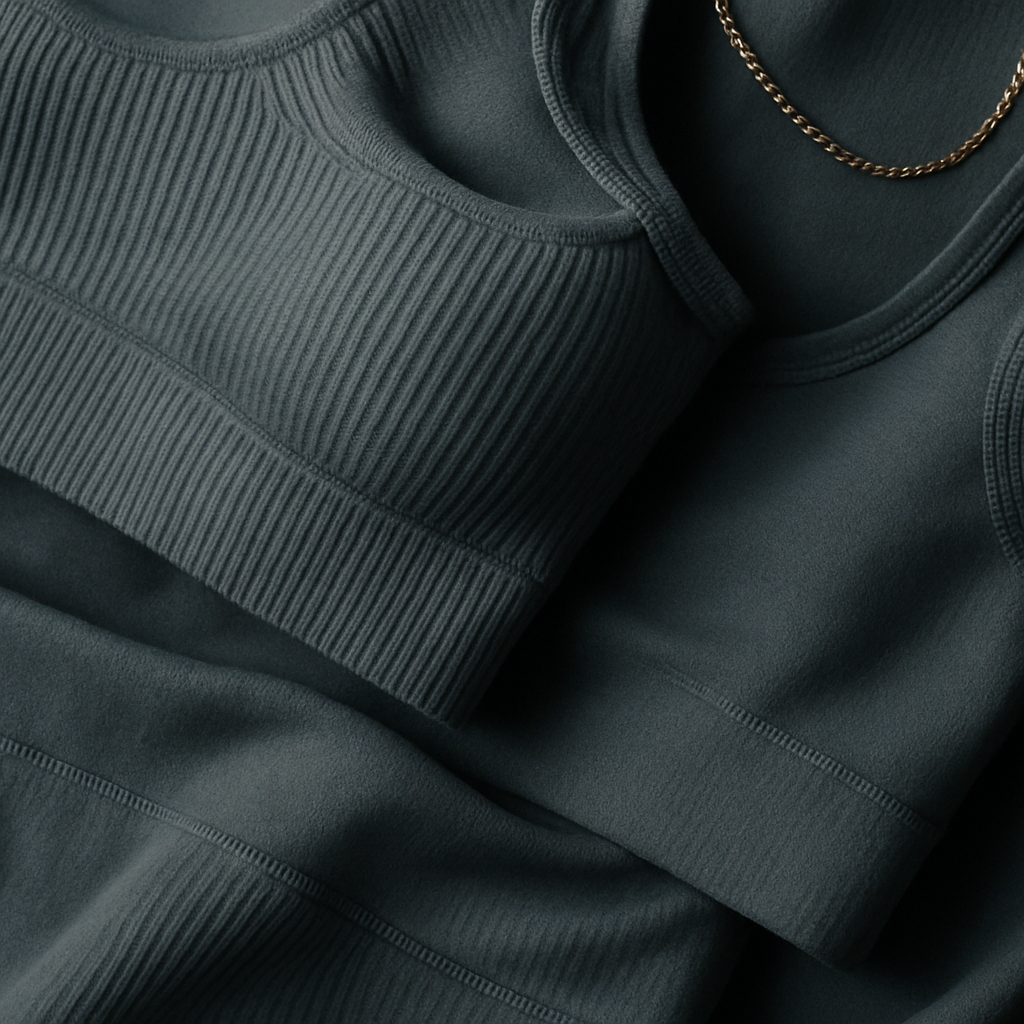
    Start with wide-leg joggers, a fitted ribbed vest and sleek trainers. Throw on a cropped track jacket or zip hoodie. Add small hoops or a slim watch. You look like you work out and have your life together.

    Airport and travel days

    Go full tonal: stone joggers, matching sweatshirt, white trainers. Layer a longline coat or padded gilet on top. Add a cap and a structured tote or backpack. Comfortable, but nobody will mistake you for a tourist in a slogan hoodie.

    Night-time street style

    Black wide-leg joggers, black tee, deep navy track jacket, dark trainers. Keep accessories minimal – maybe one statement ring or a clean chain. The silhouette does all the talking.

    Smart shopping rules for quiet luxury sportswear

    To keep your wardrobe sharp without designer prices, stick to a few rules:

    Flatlay of neutral track jacket, joggers and trainers arranged as a quiet luxury sportswear outfit
    Friends in coordinated athleisure outfits showing how to style quiet luxury sportswear

    Quiet luxury sportswear FAQs

    What makes an outfit look like quiet luxury sportswear?

    An outfit looks like quiet luxury sportswear when it has clean lines, minimal or tone-on-tone branding, a tight colour palette and fabrics that feel substantial rather than thin or shiny. The overall vibe is calm and polished, not loud or logo-heavy.

    Can I get quiet luxury sportswear from high-street brands?

    Yes, you can absolutely build quiet luxury sportswear from high-street brands if you focus on fit, fabric and simplicity instead of trends. Ignore big graphics, check the weight and feel of the material, and stick to neutral tones that mix easily across pieces.

    How many pieces do I need for a quiet luxury sportswear wardrobe?

    You can start with as little as one track jacket, two pairs of joggers, two or three neutral tops and one pair of sleek trainers. If you keep everything in a similar colour palette, these few pieces can be mixed and matched into multiple quiet luxury sportswear looks.

  • How Fashion Lovers Are Using Event Discovery Apps to Plan Their Social Calendar

    How Fashion Lovers Are Using Event Discovery Apps to Plan Their Social Calendar

    If you are serious about style, your calendar is almost as important as your wardrobe. Knowing when the next pop-up, runway show or streetwear drop is happening can be the difference between leading a trend and missing out. That is where fashion event discovery apps are changing the game for shoppers, creators and brands alike.

    What are fashion event discovery apps?

    Fashion event discovery apps are mobile or web platforms that curate style-focused happenings near you. Instead of scrolling endlessly on social media, you can open one place and see runway shows, in-store activations, sample sales, styling workshops and local markets filtered by date, distance and category.

    Many of these platforms pull data from ticketing sites, brand listings and social posts, then layer in maps, reminders and personal recommendations. The result is a live, visual diary of what is going on in your city, tailored to your taste and budget.

    Why style fans are embracing fashion event discovery apps

    For fashion fans, the main attraction is time. It is far quicker to scan curated listings than to chase rumours of launches and private sales. You can save events, set alerts and share plans with friends in a couple of taps, instead of forwarding screenshots from different platforms.

    There is also the thrill of serendipity. These tools regularly surface smaller, independent events that would never reach a mainstream audience. That might be a designer trunk show in a hotel suite, a sustainable swap shop in a community hall or a late-night sneaker release at a single store. The more you browse and attend, the better the recommendations become.

    How event discovery tools are reshaping fashion retail

    From the brand side, fashion event discovery apps are helping retailers turn footfall into fandom. Shops can list their launches, styling sessions and collaborations in one place, then track interest in real time. Instead of relying purely on seasonal campaigns, they can build a rolling calendar of reasons to visit.

    Pop-up culture has benefited in particular. Short-term spaces rely on fast awareness, and discovery apps give them an instant stage. Streetwear labels, vintage curators and upcycled designers can appear on the same map as global luxury houses, levelling the playing field for attention.

    Planning outfits around events

    For many people, choosing what to wear is half the fun of going out. With better visibility of what is coming up, you can plan outfits with purpose rather than panic. A rooftop fashion film screening calls for elevated casual, while a heritage brand trunk show might invite classic tailoring with a twist.

    Some fashion event discovery apps now integrate with lookbook or wardrobe tools, letting you tag saved outfits to specific dates. Others feature dress codes and mood boards for each listing, making it easier to understand the vibe before you commit. This helps you buy more intentionally and rewear pieces in fresh ways.

    Discovering local style communities

    Beyond shopping, these platforms are quietly building local style communities. Repeatedly seeing the same venues, organisers and attendees helps you discover your city’s fashion tribes. Maybe you gravitate towards sustainable markets, niche trainer drops or avant-garde student shows. Over time, you start to recognise familiar faces, which makes attending solo feel less intimidating.

    Many listings now include accessibility details, photography policies and social tags, so you know whether an event is content-friendly, family-friendly or more exclusive. This transparency encourages a wider range of people to get involved, not just industry insiders.

    Where ticketing meets discovery

    The most useful platforms combine browsing with booking. Instead of bouncing between apps, you can explore what is on, check availability and secure your spot in one flow. Some ticketing providers specialise in cultural and lifestyle experiences, making them a natural home for fashion listings too.

    For example, if you want to find local events including fashion, music and culture, integrated discovery and booking keeps everything in one place. That streamlined experience matters when a limited-capacity launch or sample sale is likely to sell out quickly.

    Friends at a pop-up fashion show organised through fashion event discovery apps
    Boutique launch party promoted via fashion event discovery apps with stylish guests

    Fashion event discovery apps FAQs

    Are fashion event discovery apps free to use?

    Most fashion-focused discovery tools are free to browse, with revenue coming from ticket fees, promoted listings or partnerships. You usually only pay when you book a ticket or upgrade to a premium feature, such as early access or exclusive invitations.

    How can smaller designers benefit from listing their events?

    Independent designers can use event discovery platforms to reach audiences beyond their existing followers. By listing launch parties, pop-ups or studio sales, they appear alongside bigger brands on maps and calendars, helping them attract new customers and gather feedback in person.

    What should I check before attending an event I found through an app?

    Before you go, confirm the date, time and venue, as last-minute changes can happen. Check whether tickets are required, if there is a dress code, and whether photography is allowed. It is also worth reviewing accessibility details and transport options so you can arrive relaxed and ready to enjoy the experience.

  • Keeping Up With Trends: From Fashion to 4×4 Culture

    In 2025, trends are everywhere. Whether it’s the way we dress, the coffee we drink, or even the cars we drive, staying up to date has become a way of life. What’s interesting is how style now stretches beyond clothes and into almost every corner of our lifestyle. From retro fashion comebacks to the rise of sustainable choices, there’s one consistent theme – people want to express themselves.

    Fashion Moves Fast

    Fashion has always been a barometer of culture. Right now, the 90s are back in a big way. Oversized shirts, baggy jeans and chunky trainers are taking centre stage, while brands are diving deep into nostalgia to deliver pieces that feel familiar yet fresh. Social media platforms, especially TikTok and Instagram, drive trends faster than ever – what’s cool this month could easily look dated by next.

    Mitsubishi L200 parts

    But style today isn’t just about what you wear. It’s about how you live. From the car you drive to the gadgets you carry, everything plays a part in telling the world who you are.

    The Lifestyle Connection

    Think about it: our wardrobes, tech, and even vehicles reflect the image we want to project. A sleek electric car gives off a different message than a rugged 4×4, just as a tailored suit tells a different story than vintage sportswear.

    In recent years, the lifestyle connection has expanded into vehicles. The popularity of pick-up trucks in the UK is growing, not only for their practicality but also for their style. They’ve become as much about image as function – a statement of strength, freedom and individuality.

    From Catwalk to Car Park

    It might sound strange, but there’s a fashion link between what you wear and what you drive. Just as a new pair of trainers freshens up an outfit, the right upgrade or replacement part can completely change the look and performance of a vehicle. Pick-ups like the Mitsubishi L200, for example, have earned a reputation as dependable workhorses that still turn heads. For owners, sourcing quality Mitsubishi L200 parts isn’t just about keeping the truck on the road – it’s about making sure it looks and feels as sharp as any outfit you’d put together.

    Trends in Personalisation

    Customisation is another major trend bridging fashion and motoring. Just as people personalise trainers with custom laces or order clothing in unique colourways, drivers are increasingly upgrading their vehicles with tailored touches. Alloy wheels, suspension kits, lighting upgrades – they’re the fashion accessories of the 4×4 world.

    Pick-ups especially thrive on this. Whether you’re lifting your L200 for off-road adventures or adding chrome details for urban style, it’s the same principle as switching up your wardrobe. Both are expressions of individuality and both are part of a wider trend towards personal branding.

    Sustainable Style and Smarter Choices

    Sustainability is no longer just a buzzword in fashion – it’s shaping the way we consume everything. From recycled fabrics to second-hand shopping, people are making more conscious choices. Interestingly, this links directly to the automotive world too. Many Mitsubishi L200 parts are available as recycled or refurbished, offering a cost-effective and eco-friendly way to keep vehicles going strong while reducing waste.

    Final Thoughts

    At first glance, fashion trends and 4×4 parts might not seem connected. But dig a little deeper and the parallels are clear. Both are about image, individuality, and staying current while making practical choices. Just as you’d refresh your wardrobe with a new jacket or shoes, upgrading your vehicle with Mitsubishi L200 parts is another way of keeping your lifestyle on trend.

  • How CNC Routers & Technology are Shaping Modern Fashion & Lifestyle

    When Couture Meets Code

    Digital fabrication has long powered aerospace and automotive engineering, but in 2025 its most eye‑catching cameo is on the runway and in the living room. Computer‑Numerical Control (CNC routers) routers – precision machines that carve, mill, and engrave materials directly from digital designs – are giving designers a new vocabulary of form, texture, and personalisation. The result? A wave of garments, accessories, and lifestyle products that feel tailor‑made for the hyper‑individual era.

    CNC Routers

    CNC Routers 101 – A Quick Primer for Creatives

    • What they are: Multi‑axis machines that read vector or 3D files and guide cutting tools (bits) along X, Y, and Z axes.
    • Why they matter to fashion/lifestyle: Ultra‑consistent tolerances (±0.05 mm is common), compatibility with wood, acrylic, foam, leather, and soft metals, and rapidly falling price points (£2–5 k for studio‑sized units).
    • The maker advantage: Once a design is finalised, production is push‑button; iteration cycles can happen before lunch rather than across seasons.

    Fashion‑Forward Applications

    1. Precision Pattern Cutting

    Luxury houses like Loewe have quietly swapped steel dies for CNC‑carved plywood molds to cut intricate leather panels in milliseconds – perfect edges, zero fray. Even independent ateliers now upload vector patterns and let compact desktop routers kiss‑cut silk organza stacked ten layers high.

    2. Sculptural Accessories

    From CNC‑milled birch handbags by Cult Gaia to algorithmically carved rose‑gold cuffs, the router becomes a sculptor. Layered plywood reveals moiré grain patterns, while stacked acrylic sheets give jewelry an ice‑cube translucence that laser cutters can’t match.

    3. Sneaker Sole Tooling

    Footwear labs prototype outsole treads overnight, routing high‑density foam masters that are later molded in TPU. The turnaround – digital sketch at 9 AM, wearable pair by 5 PM – has supercharged the drop culture rhythm.

    Lifestyle Design Beyond the Wardrobe

    Bespoke Furniture & Décor

    Think CNC‑routed walnut headboards with parametric waveforms or modular plywood shelving that slots together without screws. Home goods brand HAY’s “Soft Edge” chair started life as router‑milled molds, proving CNC routers reach from catwalk to couch.

    Custom Tech Skins

    Laptop lids and phone cases sport lattice‑cut hardwood veneers; router‑engraved anodised‑aluminum faceplates let audiophiles match gear to interior palettes.

    Sustainability: Cutting Waste, Not Corners

    Traditional die cutting requires new steel tools for each pattern tweak – CNC just needs a line of G‑code. Off‑cuts are minimised through tight nesting algorithms, while local, on‑demand production slashes freight footprints. Designers experimenting with mycelium boards or recycled HDPE appreciate the router’s clean, low‑heat cuts that keep eco‑materials intact.

    Democratising Couture – The Maker Culture Effect

    What the home sewing machine did in the 19th century, the desktop CNC router is doing now: lowering entry barriers. Open‑source toolchains (Fusion 360, FreeCAD) and TikTok tutorials mean a fashion student in a flatshare can prototype wooden clogs or statement earrings without a factory.

    Case Studies at a Glance

    Brand / DesignerCNC HighlightLifestyle Link
    Balenciaga A/W24Oversized shoulder plates milled from bio‑resin, later vacuum‑formed into jacketsHigh‑concept athleisure
    Freitag ZürichUp‑cycled truck‑tarpaulin tote parts nested & CNC‑kiss‑cutCircular fashion icon
    Pentatonic HomewareModular, CNC‑cut recycled‑plastic seatingZero‑waste interiors

    Tips for Writers & Readers Keen to Experiment

    1. Start in 2D: Vector files (.SVG, .DXF) cut learning curves.
    2. Mind the Kerf: Router bits remove material; compensate 0.2–0.5 mm in patterns.
    3. Finish Like a Pro: Sanding + matte lacquer elevates plywood from workshop to showroom.
    4. Mix Materials: Combine router‑cut cork midsoles with 3D‑printed uppers for hybrid looks.

    Looking Ahead – AI‑Assisted Craft

    Generative design tools already output CNC‑ready G‑code that optimises both aesthetics and structural integrity. Expect real‑time body scanning in boutiques, where a shopper’s measurements feed directly to an in‑store router carving bespoke wooden clogs while they sip espresso.

    Conclusion – Why CNC Routers are the New Sewing Needle

    CNC routers are dissolving the boundary between high tech and high fashion, turning pixels into products at the speed of culture. For lifestyle brands and indie makers alike, the machine’s whir is becoming the soundtrack of a future where individuality, sustainability, and craft converge in every perfectly milled curve.

  • The Inevitable Return of Trends

    The realm of fashion, a seemingly ever-evolving landscape, possesses a peculiar habit: it’s profoundly cyclical. The trends that once graced the catwalks and high streets, only to be relegated to the dusty corners of forgotten wardrobes, inevitably resurfaces, reimagined and revitalised. This constant ebb and flow, this perpetual spin, is a fundamental truth of style. One cannot deny the current fashion trends, and how they reflect past trends. It is a constant re-imagining of past ideas.

    Vintage Vibes and Reinterpreted Classics

    The concept of “vintage” itself underscores this phenomenon. Items deemed outdated become coveted treasures, their historical significance adding a layer of intrigue and desirability. This resurgence isn’t merely a nostalgic whim; it’s a testament to the enduring appeal of certain aesthetics, their ability to transcend temporal boundaries. Designers, consciously or otherwise, draw inspiration from bygone eras, reinterpreting classic silhouettes and patterns for a contemporary audience. Consider the resurgence of 90s fashion. From baggy jeans to crop tops, the styles that defined a generation have found new life in the 21st century. The same can be said for the 70’s fashion, with the return of flared trousers.

    My Personal Obsession: The Enduring Appeal of Camouflage

    For me, this cyclical nature of fashion holds a particular fascination, especially when it comes to the enduring appeal of camouflage. It’s a pattern that, for reasons I’ve always found compelling, refuses to fade into obscurity.

    Camo Trend Constant Return: A Study in Versatility

    Camo, often associated with military attire, has transcended its utilitarian origins to become a recurring motif in mainstream fashion. Its periodic re-emergence speaks to its inherent versatility and its ability to evoke a sense of rugged individualism. One season, it might appear in the form of oversized jackets, lending an edgy, streetwear vibe. The next, it could be subtly incorporated into accessories, adding a touch of rebellious flair to otherwise conventional ensembles. It is interesting to observe the subtle shifts in how camouflage is used. Sometimes it is very prominent, other times, it is more subdued. No matter the method, it always returns.

    The Underlying Reasons for Fashion’s Circularity

    The reasons for this cyclical behaviour are complex. Social and cultural shifts play a significant role. Fashion often reflects the prevailing mood of the times, drawing inspiration from art, music, and social movements. Nostalgia, too, is a powerful force, as designers and consumers alike seek to recapture the essence of past eras.

    The Impact of Modern Communication

    Furthermore, the fast-paced nature of modern communication, particularly social media, has accelerated the fashion cycle. Trends rise and fall with unprecedented speed, creating a constant churn of new and recycled styles. This rapid turnover, while seemingly chaotic, reinforces the cyclical nature of fashion, ensuring that even the most fleeting trends will eventually return.

    A Continuous Conversation

    In essence, fashion is a conversation between past, present, and future. It’s a continuous dialogue, where styles are reinterpreted, reimagined, and reborn. This perpetual spin, this constant return, is what makes fashion so endlessly captivating. That said, I’m just happy I can still get away with wearing my camo jeans every now and then.

    badidas