Author Profile

  • Social Wellness: How Friendship and Community Are Becoming Central to British Wellbeing Culture

    Social Wellness: How Friendship and Community Are Becoming Central to British Wellbeing Culture

    For years, British wellness culture was obsessively personal. Optimise your sleep. Fix your gut. Biohack your morning routine. But something has shifted. Quietly at first, then all at once, the conversation around social wellness UK community wellbeing 2026 has moved from niche wellness podcasts into the mainstream. And honestly? It makes complete sense.

    The science has been there for a while. Loneliness is now classified as a public health concern by the NHS, and the UK Government’s own tackling loneliness strategy acknowledges the measurable physical and mental health impact of social isolation. What’s new in 2026 is that everyday British people are actually doing something about it, and they’re doing it with serious style.

    Young Londoners at a run club gathering, reflecting the social wellness UK community wellbeing 2026 trend
    Young Londoners at a run club gathering, reflecting the social wellness UK community wellbeing 2026 trend

    Why Social Wellness Became the Wellness Trend Nobody Expected

    Ask anyone who spent a significant chunk of their life optimising solo habits whether it worked long-term, and most will admit something was still missing. You can take every supplement on the shelf, nail your circadian rhythm, and still feel hollow without genuine human connection. That realisation has hit hard across the UK, particularly among people in their twenties and thirties who grew up with social media as a substitute for actual community.

    Run clubs are probably the most visible expression of this shift. Groups like Peckham Rye Runners, the Glasgow Girls Run collective, and the endlessly photographed parkrun culture have exploded. But this isn’t just about fitness. It’s about showing up somewhere that people expect you. That accountability, that feeling of being woven into something, is the actual product. The 5k is almost incidental.

    Communal fitness classes have changed, too. The boutique studio model, once about exclusivity and individual transformation, is now selling belonging. ClassPass data from 2025 showed that UK members who attended group classes more than twice weekly reported significantly higher mood scores than solo gym-goers. The format almost doesn’t matter. It’s the ritual of gathering that counts.

    Supper Clubs, Shared Tables and the Return of Communal Eating

    Food has always been social, but supper clubs have given that a fashionable new frame. From East London warehouse suppers to intimate eight-seater dinners in Edinburgh tenements, the shared table is having a genuine cultural moment. These aren’t just dinner parties with a pricing structure. They’re intentionally designed social environments where strangers become regulars.

    What’s interesting is who’s attending. It’s not exclusively the wellness-obsessed. It’s anyone who’s tired of eating alone, ordering from apps, and moving through their days without friction or spontaneity. Supper clubs offer the opposite: unpredictable conversation, communal dishes, and the lingering pleasure of a meal that nobody wants to end.

    The crossover with food culture is real. Gut health awareness, seasonal eating, and clean drinking choices have all fed into the supper club scene. Many are now explicitly alcohol-optional or low-ABV by default, which in 2026 barely raises an eyebrow.
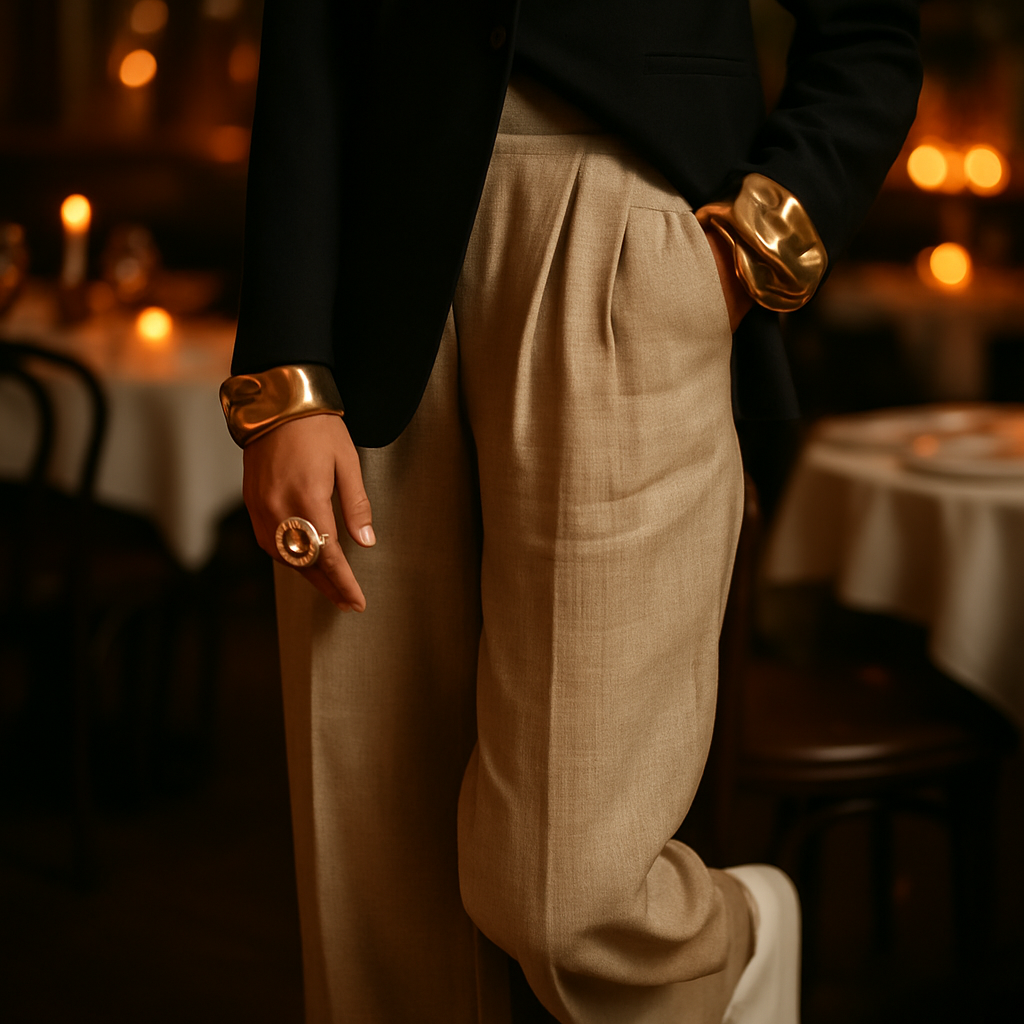
    Stylish supper club outfit detail representing social wellness UK community wellbeing fashion choices
    Stylish supper club outfit detail representing social wellness UK community wellbeing fashion choices

    How Social Wellness Is Changing What British People Wear

    This is where it gets genuinely interesting for anyone who cares about how culture translates into style. Social wellness UK community wellbeing 2026 isn’t just influencing where people spend their time. It’s reshaping wardrobes.

    Run club culture has spawned its own aesthetic. Technical fabrics, considered colourways, visible brand affiliation. If you’re part of a crew, you look like part of a crew. But the real shift is the blurring between activewear and socialwear. People are no longer going home to change between a morning run and a coffee afterwards. The outfit needs to carry across both contexts, and British brands have noticed. Labels like Castore, Represent, and the growing number of independent London-based activewear studios are designing specifically for that transition.

    Supper club dressing is its own conversation. There’s a studied nonchalance to it. Not overdressed, not underdressed, but visibly considered. The kind of outfit that suggests you have taste without announcing it too loudly. Linen, interesting jewellery, a trainer that earns a second look. Quiet confidence, not quiet luxury, because social wellness spaces are warmer and more expressive than the boardroom minimalism of last year’s dominant aesthetic.

    The Friendship Economy: Where British People Are Actually Spending

    Spending patterns are shifting in line with this. According to Barclays Consumer Spend data from late 2025, spending in the UK on fitness classes, dining experiences, and social events outpaced growth in solo wellness categories including supplements and at-home fitness equipment. People are choosing connection over solitary optimisation, and they’re paying for it.

    Monthly run club memberships in London typically range from free to £20, but affiliated merchandise, race entries, and post-run café culture can add meaningfully to that figure. Premium communal fitness experiences, think early morning Reformer Pilates in a candlelit Soho studio followed by a group breakfast, are commanding upwards of £35 per session. People are paying willingly, because the social ROI feels tangible in a way that a protein supplement never quite does.

    The investment in community extends to what you wear to it. Trainers matter. A well-chosen set of running kit or a thoughtfully assembled supper club outfit signals that you take the experience seriously. And in social wellness spaces, how you show up is part of the message.

    What This Means for British Wellness Culture Going Forward

    The individualist wellness era isn’t dead, but it’s being reframed. Social wellness UK community wellbeing 2026 represents a broader cultural correction: the recognition that connection isn’t a soft extra but a genuine pillar of health, sitting alongside nutrition, sleep, and movement.

    Cities outside London are catching up fast. Manchester’s Northern Quarter has a thriving run club and supper club scene. Bristol’s communal fitness culture leans heavily into its outdoors identity. Leeds, Glasgow, and Birmingham are all building their own versions of this. British wellness has always been more diverse and regional than the London conversation suggests, and social wellness is spreading that energy outward.

    What feels true right now is that people want to be part of something. Not watched, not optimised, not algorithmically recommended. Just known, by an actual group of people who see them week after week. That desire hasn’t changed in thousands of years. What’s new is that in 2026, it’s finally being treated as a wellness priority rather than a nice-to-have.

    Show up. Dress for it. That’s the whole move.

    Frequently Asked Questions

    What is social wellness and why is it trending in the UK?

    Social wellness refers to the quality and depth of your social connections and their impact on your mental and physical health. It’s trending in the UK because research increasingly shows that loneliness carries serious health risks, and people are actively seeking community through run clubs, fitness classes, and supper clubs as a direct response.

    How do run clubs improve wellbeing beyond just physical fitness?

    Run clubs provide consistent social accountability, a sense of belonging, and regular face-to-face interaction, all of which have been linked to reduced anxiety and improved mood. The community element, rather than the running itself, is often what keeps people coming back week after week.

    Are supper clubs expensive to attend in the UK?

    Prices vary considerably. Intimate supper clubs in cities like London or Edinburgh typically charge between £35 and £80 per person including food, while more informal communal dining events can be much cheaper or run on a pay-what-you-can basis. Many are not-for-profit and run by food enthusiasts rather than restaurants.

    What should you wear to a run club or communal fitness class in 2026?

    The aesthetic in 2026 is very much about kit that transitions well: technical but stylish, functional but considered. A clean pair of running trainers, well-fitted shorts or leggings, and a layering piece that still looks sharp over coffee afterwards is the standard move for run clubs and boutique class culture.

    Is social wellness recognised by UK health bodies as genuinely important?

    Yes. The NHS and the UK Government have both formally acknowledged the health risks of loneliness and social isolation. The government’s tackling loneliness strategy outlines concrete policy responses, and NHS social prescribing now actively connects patients with community activities as part of treatment plans.

  • Wellness Supplements UK: What to Actually Look for Before You Buy

    Wellness Supplements UK: What to Actually Look for Before You Buy

    Walk into any Boots, Holland & Barrett, or independent health shop right now and you are met with an overwhelming wall of promise. Powders that claim to fix your gut, gummies that swear they will calm your nervous system, and adaptogen blends named after Himalayan peaks that apparently nobody needed five years ago. The wellness supplement market in the UK hit an estimated £500 million in 2025, and it is still climbing. Which is great, until you actually try to figure out what is worth buying and what is expensive confetti.

    The problem is not just the volume of products. It is the language. Brands have become very good at sounding scientific without being held to scientific standards. Words like “supports”, “promotes”, and “contributes to” are doing a lot of heavy lifting on those labels, and most shoppers do not realise those phrases carry a very specific legal meaning in Britain. So before you spend another £35 on a tub of something you saw on a reel, here is what actually matters.

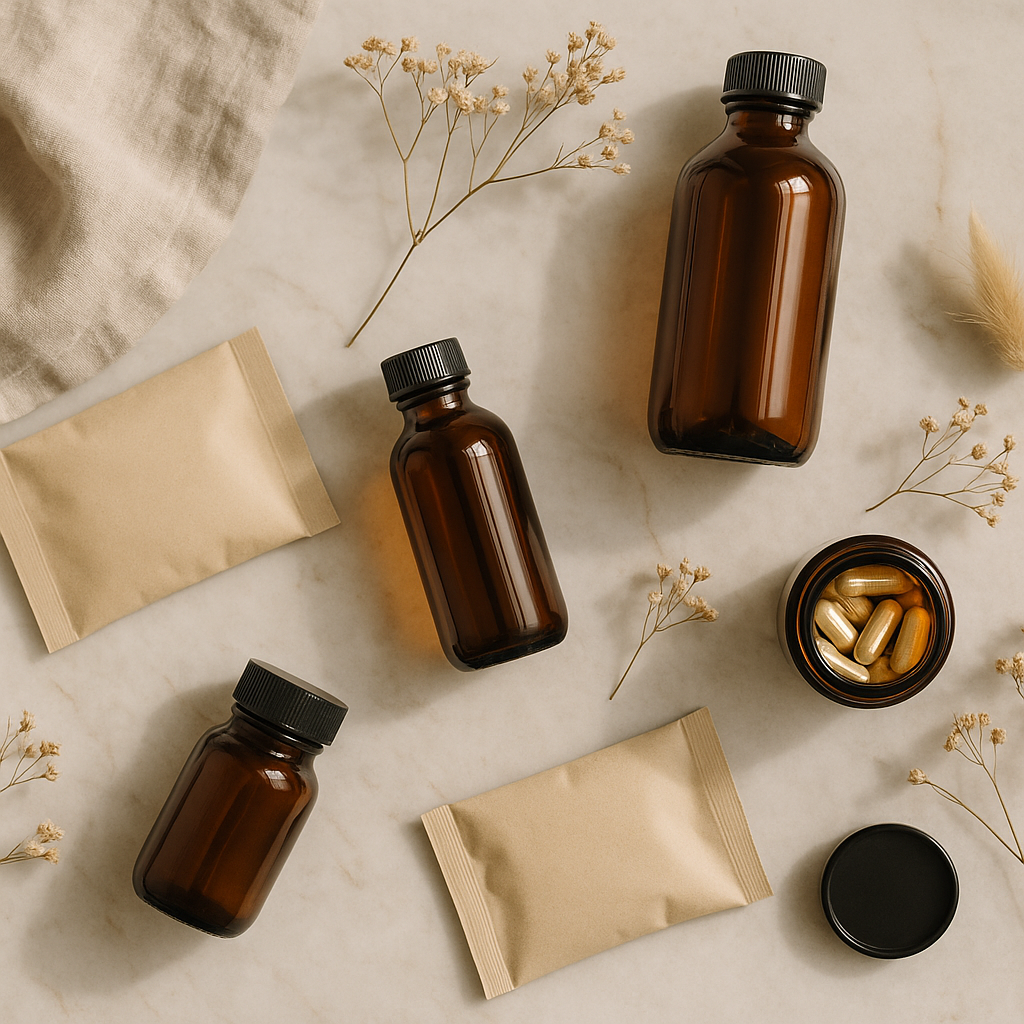
    Curated wellness supplements UK arranged on marble surface in a stylish flat-lay editorial shot
    Curated wellness supplements UK arranged on marble surface in a stylish flat-lay editorial shot

    How wellness supplements are actually regulated in the UK

    Post-Brexit, the UK operates under its own framework managed by the Food Standards Agency (FSA). Supplements here are classified as food products rather than medicines, which means manufacturers do not have to prove they work before putting them on shelves. They simply have to prove they are safe. That is a meaningful distinction. It explains why you can buy a bag of lion’s mane mushroom powder with a claim about “cognitive function” without a single clinical trial behind it, legally.

    The specific rules around health claims come from retained EU regulation, now enforced domestically. Any claim a brand makes on a supplement must appear on the FSA’s approved list of permitted nutrition and health claims. If a product says that Vitamin C “contributes to the normal function of the immune system”, that claim is approved and substantiated. If it says it will “supercharge your immunity”, that is marketing fluff with no regulatory weight behind it. Learning to spot the difference is genuinely useful. The Food Standards Agency website publishes guidance on what approved claims look like, and it is worth bookmarking.

    Reading supplement labels without getting misled

    Labels are where brands either earn trust or quietly lose it. Here is what to actually look at.

    The nutrient reference value (NRV)

    Most reputable supplements will show a percentage NRV next to each ingredient. This tells you how much of the daily recommended amount you are getting per serving. A zinc supplement at 10mg with a 100% NRV is clear and honest. One that lists “a proprietary blend” without specifying amounts? Walk away. Proprietary blends are a common way to pad a formula with small, non-effective doses of trendy ingredients while still being able to name-drop them on the front of the packet.

    Third-party testing and certifications

    Because supplements do not require pre-market approval, third-party testing is one of the few ways a brand can genuinely signal quality. Look for certifications from bodies like Informed Sport, which tests for banned substances and contaminants, or the Soil Association mark on organic products. If a brand does not mention testing anywhere on its packaging or website, that is worth noting.

    The ingredient order matters

    Ingredients are listed in descending order by weight, exactly like food. If a “turmeric and ashwagandha” supplement lists maltodextrin and rice flour before either active ingredient, you are mostly buying filler. This sounds obvious. But when packaging is beautiful and the copywriting is compelling, it is easy to skip past the small print.

    Woman reading wellness supplement UK label in a minimalist health shop, checking ingredients carefully
    Woman reading wellness supplement UK label in a minimalist health shop, checking ingredients carefully

    The ingredients getting genuine traction right now

    Not everything on UK shelves is hype. Some ingredients have solid research behind them and are genuinely worth considering, depending on what you are looking to support.

    Magnesium is one of the most legitimately useful supplements available. A significant portion of UK adults do not meet recommended intakes through diet alone, and magnesium glycinate in particular has strong evidence for supporting sleep and muscle recovery. Vitamin D remains essential for most people living in Britain, where sunlight is not exactly guaranteed for eight months of the year. The NHS itself recommends supplementing during autumn and winter.

    Adaptogens like ashwagandha have a growing body of research behind them, particularly around cortisol management and stress response. The evidence is not conclusive, but it is more substantial than most supplement categories. The key is buying from brands who use a standardised extract with a defined percentage of active compounds, rather than a generic root powder.

    Then there is the skin and joint space, where collagen has genuinely carved out a credible position. The peptide form in particular has shown real results in studies around skin elasticity and joint comfort, and good UK suppliers are now transparent about their sourcing and peptide weight.

    Red flags to watch out for on UK supplement shelves

    Some patterns repeat across low-quality products regardless of the trend cycle they are riding. Before you buy anything, run a quick mental checklist.

    Vague mechanism claims are a major one. Phrases like “detoxifying”, “balancing your hormones”, or “cleansing your blood” are not permitted health claims under UK regulation. If a brand is using them, it is either uninformed or deliberately bypassing the rules. Neither is a good sign.

    Extreme dosing is another. More is not always better, and megadosing fat-soluble vitamins like A, D, E and K can actually cause harm over time. Any product pushing dramatically above NRV without a clear clinical rationale deserves scepticism.

    Finally, the social proof problem. Influencer testimonials are not clinical evidence. A creator saying a product “changed their life” on a sponsored post is advertising, not science. It can coexist with a genuinely good product, but it tells you nothing about whether it will work for you.

    Building a supplement routine that actually makes sense

    The most effective approach is boring but it works. Start with the foundations: Vitamin D (particularly through autumn and winter), magnesium if your sleep or recovery needs support, and omega-3s if your diet is low in oily fish. These are cheap, well-researched, and genuinely useful for most people in the UK.

    From there, add targeted supplements based on actual gaps in your diet or specific goals, not because something is trending. Give anything you add a minimum of eight weeks to assess whether it is making a difference. One change at a time means you will actually know what is working.

    The wellness supplement boom is not going anywhere. Brands will keep launching new products, social feeds will keep pushing the next must-have blend, and the shelves will keep getting more crowded. But the rules for cutting through it stay the same: check the claim type, read the label properly, look for third-party testing, and always ask who is actually behind the brand. Spending £30 well is infinitely better than spending £30 fast.

    Frequently Asked Questions

    Are wellness supplements regulated in the UK?

    Yes, but as food products rather than medicines. The Food Standards Agency oversees safety standards, meaning supplements must be safe but do not need to prove they work before being sold. Any health claims made on packaging must appear on the FSA’s approved list of permitted claims.

    What does 'NRV' mean on a supplement label?

    NRV stands for Nutrient Reference Value, which is the daily recommended intake for a given nutrient. A percentage NRV on a label tells you how much of that daily amount you are getting per serving, making it easier to assess whether a dose is meaningful or token.

    How do I know if a UK supplement brand is trustworthy?

    Look for third-party testing certifications such as Informed Sport, transparent ingredient amounts rather than proprietary blends, and clear sourcing information. Brands that can not or will not share this information are a red flag.

    Which supplements are actually worth taking for most UK adults?

    Vitamin D is widely recommended, especially during autumn and winter in Britain where sunlight exposure is limited. Magnesium and omega-3 fatty acids also have strong evidence bases for general health. Beyond these, targeted supplementation depends on your individual diet and goals.

    What health claims are illegal on supplement packaging in the UK?

    Claims like ‘detoxifying’, ‘hormone balancing’, or ‘cleanses the blood’ are not permitted under UK retained food law. Only health claims on the FSA’s approved list are legal. Brands using unapproved language are either misinformed or operating outside the rules.

  • The Jewellery Minimalism Backlash: Why British Style Setters Are Going Bigger and Bolder in 2026

    The Jewellery Minimalism Backlash: Why British Style Setters Are Going Bigger and Bolder in 2026

    For a few years, the whisper-thin gold necklace and the barely-there stud earring ruled everything. Delicate, understated, inoffensive. And honestly? A little boring. In 2026, British fashion has had enough of playing small. Bold statement jewellery is back with a force that feels less like a trend and more like a full cultural correction, and the way people are wearing it here is distinctly, unapologetically British.

    This is not about draping yourself in everything from the jewellery box at once. The shift is more considered than that. Sculptural pieces, chunky chains, architectural earrings, stacked rings with actual presence. The aesthetic is confident without being chaotic, and the styling rules are shifting fast.

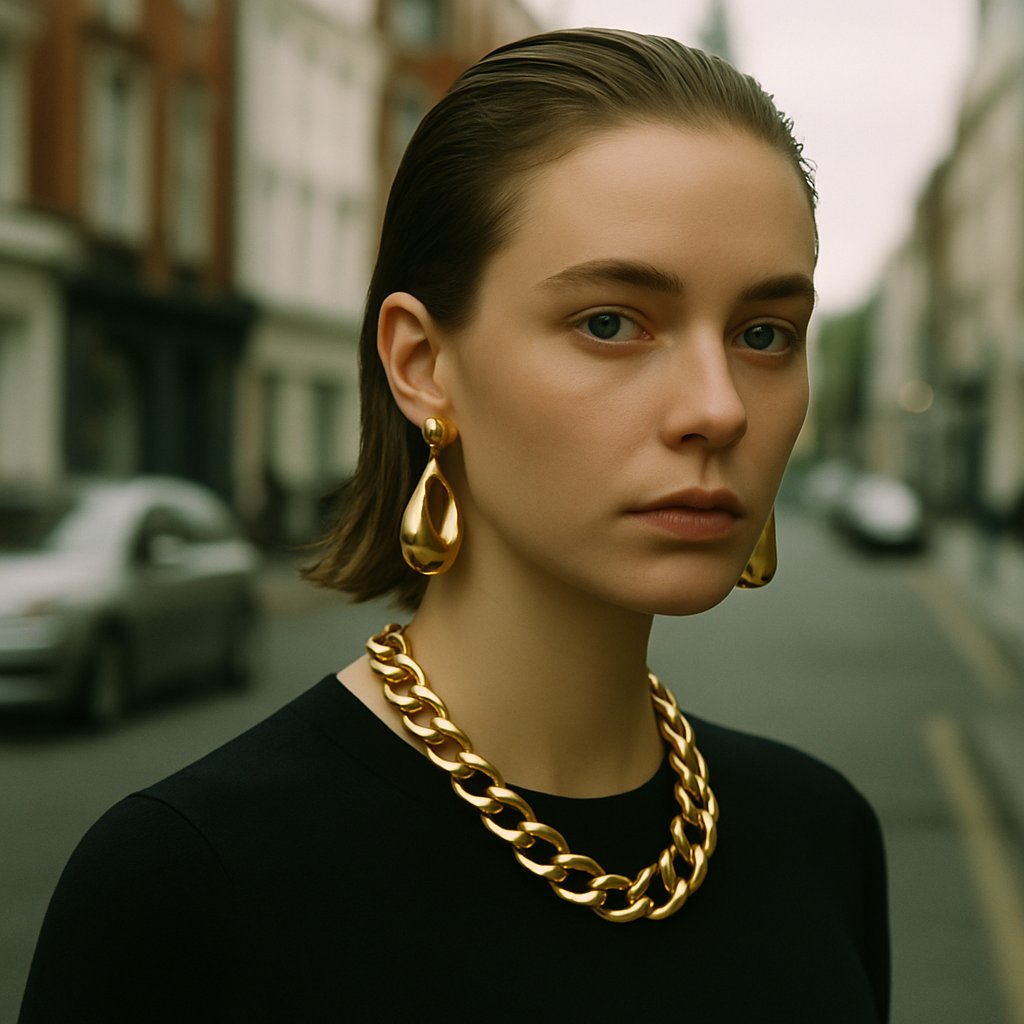
    Woman wearing bold statement jewellery including sculptural gold earrings and chunky chain necklace on a London street
    Woman wearing bold statement jewellery including sculptural gold earrings and chunky chain necklace on a London street

    Why Fine Jewellery Minimalism Lost Its Edge

    Fine jewellery minimalism had its moment, and it was a long one. The dainty chain trend dominated Instagram feeds from around 2018 onwards, feeding into the broader quiet luxury and clean-girl aesthetic that encouraged people to own less and make it barely visible. The problem is that invisible jewellery, by definition, makes no impression. When everything is subtle, nothing actually says anything.

    According to the BBC’s culture coverage, jewellery has historically cycled between restraint and excess, and right now the pendulum has swung hard. Consumers in the UK are reaching for pieces that feel like a statement of identity rather than an afterthought, and the high street has followed. Brands like Missoma, Astley Clarke, and Wolf & Badger are all pushing bolder, more sculptural collections this year. Even Argos and ASOS have felt the shift, stocking oversized hoops and multi-row rings at accessible price points.

    There is also an emotional dimension here. Post-pandemic dressing leaned hard into joy, colour, and self-expression. Bold statement jewellery fits directly into that energy. It is armour. It is personality. It is the thing people notice first.

    How to Wear Bold Earrings Without Overwhelming Your Look

    Sculptural and oversized earrings are the headline act of this trend. Think architectural geometric shapes, mismatched pairs, chunky hoops with hammered textures, and drop earrings that move. The key is letting them breathe. If the earrings are doing the heavy lifting, the rest of the outfit should step back.

    A pair of sculptural gold drop earrings hit differently against a simple black roll-neck than they do competing with a printed blouse and layered necklaces. The contrast is the point. One big piece, clean surroundings. This is the formula that works every time, and it is the approach you will see on every credible UK fashion editor from Manchester to Edinburgh right now.

    Hair placement matters too. Earrings this bold deserve to be seen. Slicked-back hair, a high bun, or a sleek low pony makes the difference between looking intentional and looking cluttered. It sounds basic, but the styling decision around the earring is just as important as the earring itself.

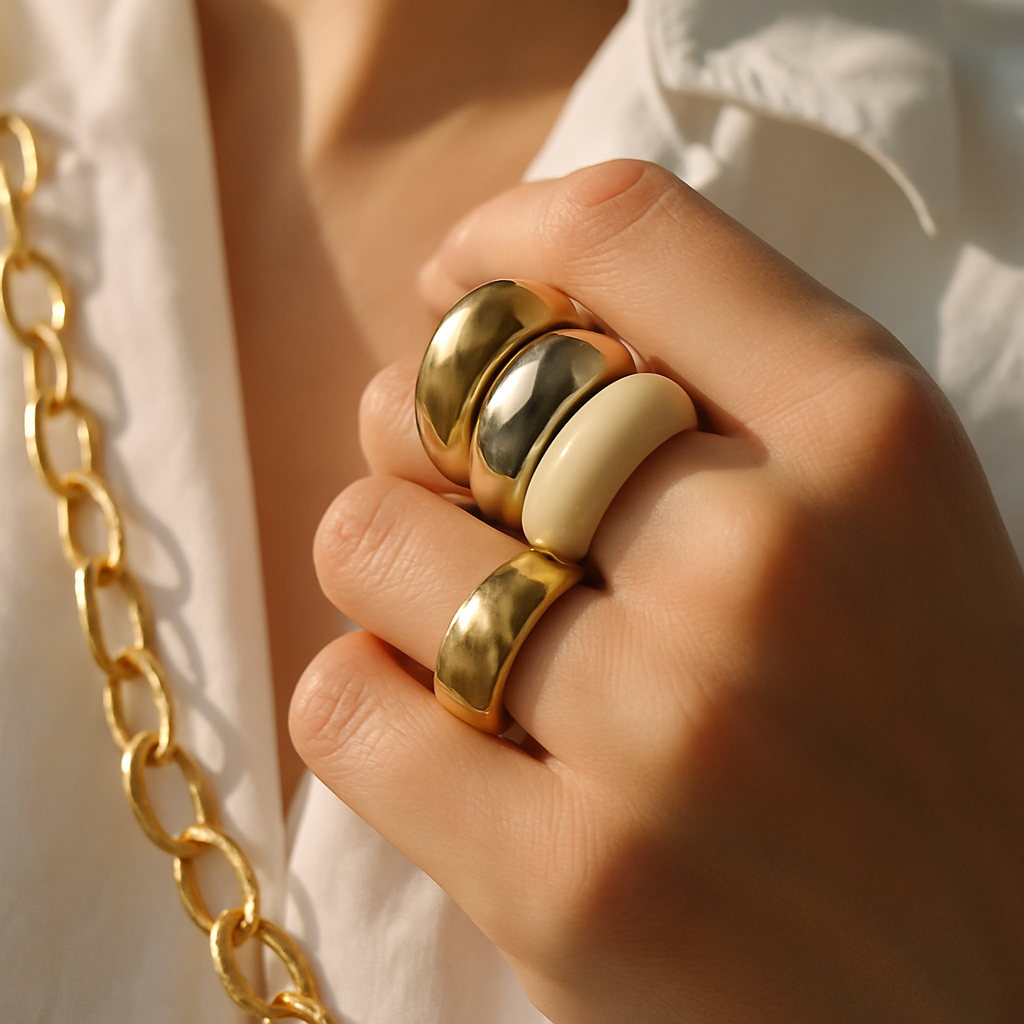
    Close-up of bold statement jewellery including stacked chunky rings and layered gold chain necklace
    Close-up of bold statement jewellery including stacked chunky rings and layered gold chain necklace

    Chunky Chains: The Piece That Works Hardest in 2026

    The chunky chain necklace is arguably the most versatile piece in the bold statement jewellery toolkit this year. It works across every aesthetic. Over a crisp white shirt it reads sharp and sophisticated. Layered over a hoodie it feels street-ready and effortless. Worn alone against bare skin it is genuinely striking.

    Gold and silver both work, but the mixed-metal moment is also very real in 2026. Wearing a gold chunky chain alongside a silver link bracelet used to feel like a mistake. Now it reads as intentional and current. British jewellery designer Laura Gravestock has been pushing this aesthetic since last year, and the response from her UK customer base has been significant.

    Length is worth thinking about carefully. A shorter, tighter chain sits at the collarbone and works brilliantly with V-necks and open collars. A longer chain that hits mid-chest creates a different kind of drama, better suited to minimal crew-neck tops where the chain becomes the focal point. Layering two chains of different lengths together, one tight and one longer, is the move that feels most current right now.

    On the subject of creating an intentional visual space around your statement pieces, it is worth thinking about your environment too. Just as the Right Window Coverings can define the mood of a room, the backdrop you dress against, whether that is a sharp monochrome outfit or a simple neutral base, sets the entire context for how your jewellery reads.

    Stacked Rings Done Right

    Ring stacking is not new, but the way it is being done in 2026 has evolved. This is no longer about delicate midi rings stacked on every finger. The current energy is about two or three genuinely chunky, interesting rings worn together. Signet rings have had a major revival, particularly among younger British women who are leaning into the old-school, slightly menacing aesthetic they carry.

    Mixing textures is the secret to a great stack. A smooth gold band next to a hammered silver ring next to something with a stone or an engraved motif creates visual depth without looking like you raided a market stall. Keep the stack to one or two hands rather than loading up all ten fingers, and consider the proportions of your other pieces. If you are wearing bold earrings and a chunky chain, keep the ring stack tighter. One standout piece per area of the body is still the governing principle.

    Bold statement jewellery at the ring level works best when it feels considered. A single large statement ring on one hand, paired with a simple band on another, hits harder than six mediocre rings distributed equally.

    Where to Find the Best Bold Jewellery in the UK Right Now

    You do not need a luxury budget to get this right. The UK market for bold, well-made jewellery at accessible price points has genuinely matured. Here is where to look:

    • Missoma (missoma.com): The London-based brand has moved confidently into chunkier, more sculptural territory this year. Celeb-endorsed, quality-controlled, and very wearable.
    • Wolf & Badger: A brilliant platform for discovering independent British and international jewellery designers. Great for finding genuinely original pieces that are not on every other person in your office.
    • ASOS: Sounds obvious, but the ASOS jewellery edit in 2026 is genuinely strong for bold pieces at low price points. Ideal for testing the trend before committing to an investment piece.
    • Portobello Road Market, London: For vintage chunky chains and signet rings with actual history and character, nothing beats a Saturday morning here.

    The shift toward bold statement jewellery in British fashion circles is not a passing moment. It is a recalibration. After years of styling that rewarded invisibility, the appetite for pieces that actually communicate something has become too strong to ignore. Wear the earrings. Stack the rings. Let the chain be seen. The era of jewellery that apologises for existing is over.

    Frequently Asked Questions

    What counts as bold statement jewellery in 2026?

    Bold statement jewellery in 2026 typically refers to sculptural, oversized, or visually striking pieces such as chunky chain necklaces, architectural drop earrings, large signet rings, and stacked ring combinations. The focus is on pieces that command attention and express personality rather than blend into the background.

    How do you wear statement earrings without the look feeling overdone?

    The golden rule is contrast: let the earrings be the focal point by keeping the rest of your outfit simple and uncluttered. Pair bold earrings with a minimal top, wear your hair up or pulled back to expose them fully, and avoid stacking multiple statement pieces at the same time.

    Can you mix gold and silver jewellery in the same outfit?

    Yes, and in 2026 it is actively encouraged. Mixed-metal styling reads as intentional and modern rather than mismatched. A good approach is to anchor one metal as dominant, for example a gold chain necklace, and add the secondary metal through a ring or bracelet rather than giving equal weight to both.

    Where can you buy quality bold jewellery in the UK without spending a fortune?

    ASOS, Missoma, and Wolf & Badger are strong starting points across different budget levels. For vintage chunky pieces with character, markets like Portobello Road in London or the Northern Quarter in Manchester offer interesting finds at reasonable prices.

    Is the fine jewellery minimalism trend completely over?

    Not entirely, but it has lost its dominance. Dainty pieces still have a place, particularly as everyday wear or for professional settings where restraint is appropriate. The shift is more about bold jewellery reclaiming its status as a legitimate and desirable choice rather than fine jewellery disappearing altogether.

  • Gut Health Glow: How Your Microbiome Is the Secret to Better Skin in 2026

    Gut Health Glow: How Your Microbiome Is the Secret to Better Skin in 2026

    Your skin is telling you something. Breakouts that won’t shift, dullness that no serum seems to fix, redness that arrives without warning. Most of us throw more products at the problem. Cleansers, retinols, vitamin C serums. And yet the real answer might be sitting much deeper than your bathroom shelf. The gut-skin axis is not a new concept, but in 2026 it has moved firmly from the fringes of functional medicine into mainstream wellness conversation, and the science behind it is genuinely compelling. Gut health and skin glow 2026 are linked in ways most people still underestimate.

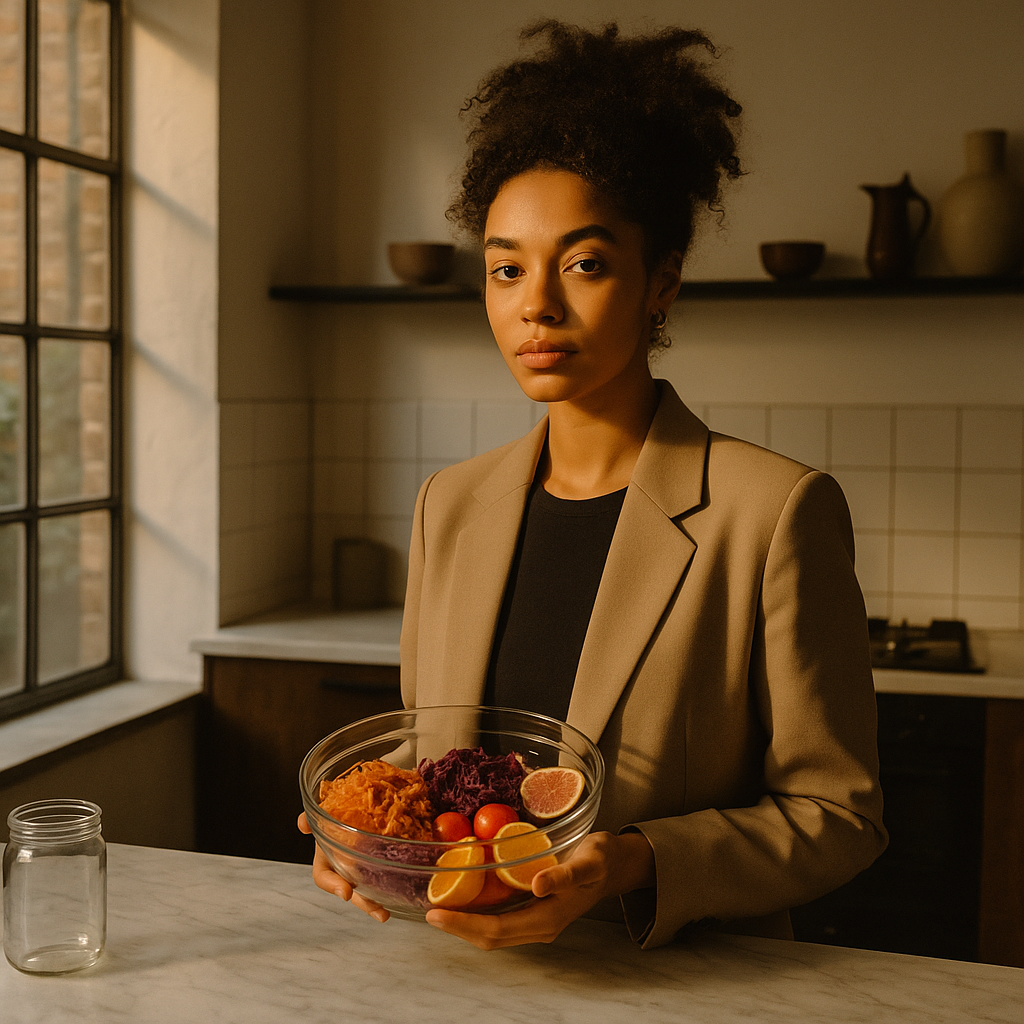
    Stylish woman preparing gut-healthy foods linked to gut health and skin glow 2026
    Stylish woman preparing gut-healthy foods linked to gut health and skin glow 2026

    What Is the Gut-Skin Axis?

    The gut-skin axis describes the two-way communication between your gastrointestinal system and your skin. Both organs are involved in immune regulation, barrier protection, and the management of inflammation. When your gut microbiome is out of balance, a state known as dysbiosis, it triggers low-grade systemic inflammation that frequently surfaces on the skin. Studies have found strong associations between gut dysbiosis and conditions including acne, eczema, rosacea, and psoriasis.

    Your gut houses roughly 38 trillion microbial cells. These microbes produce short-chain fatty acids, regulate cortisol responses, synthesise certain B vitamins and neurotransmitters, and directly influence the integrity of your gut lining. When that lining becomes permeable, often called leaky gut, inflammatory compounds can enter the bloodstream and travel to the skin. The result is not abstract. It shows up on your face.

    The Foods That Actually Move the Needle

    Diet is the fastest lever you have. Not supplements, not gadgets. What you eat shapes your microbiome composition within days, and the research backs this up consistently. The NHS acknowledges the role of diet in gut health, but the conversation in 2026 has become considerably more specific than simply eating more fibre.

    Diversity is the goal. Aim for 30 different plant foods per week. That includes vegetables, fruits, legumes, wholegrains, nuts, seeds, herbs and spices. Each variety feeds different microbial species and increases the production of short-chain fatty acids like butyrate, which strengthens the gut lining and reduces inflammatory signals. Fermented foods are equally essential: natural live yoghurt, kefir (widely available in UK supermarkets including Waitrose and Ocado), kimchi, sauerkraut, and kombucha all introduce beneficial bacteria and have been shown to increase microbiome diversity in as little as ten weeks.

    On the flip side, ultra-processed foods, excessive refined sugar and alcohol are the primary disruptors. They feed pro-inflammatory bacterial species, deplete microbial diversity and compromise the gut barrier. If your diet is heavy in convenience foods, your skin is likely paying for it, whether visibly or not.

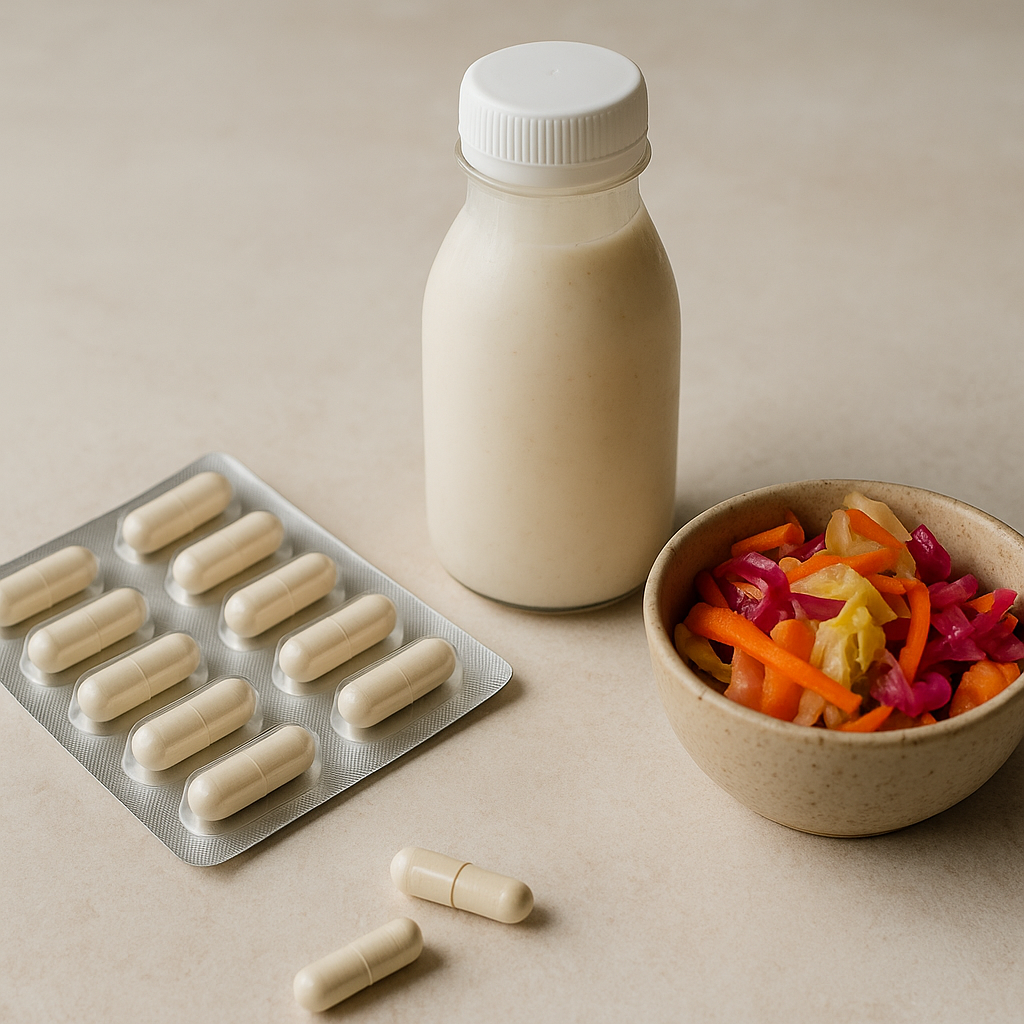
    Probiotic supplements and fermented foods for gut health and skin glow 2026
    Probiotic supplements and fermented foods for gut health and skin glow 2026

    Probiotics and Supplements Trending in 2026

    The supplement market around gut health and skin glow 2026 has exploded, and not all of it deserves the hype. That said, a handful of strains and compounds have genuine evidence behind them.

    Lactobacillus rhamnosus GG and Lactobacillus reuteri are among the most studied strains for both gut integrity and skin inflammation. Bifidobacterium longum has been linked to reductions in skin sensitivity and reactive skin responses. UK brands including Symprove, Optibac, and Biomel have all developed targeted probiotic formulations that are widely available and third-party tested, which matters enormously in an unregulated supplement space.

    Collagen peptides are generating serious attention in 2026. Whilst the body breaks down oral collagen during digestion, emerging research suggests the resulting amino acids and bioactive peptides stimulate fibroblast activity and gut lining repair simultaneously. Think of it as a two-for-one. Zinc is another supplement worth considering; it plays a direct role in skin cell turnover and also supports gut barrier function. L-glutamine, an amino acid, has become a staple in functional medicine circles for its role in rebuilding intestinal permeability.

    One important caveat: the NHS guidance on vitamins and minerals is clear that most people can meet their needs through a balanced diet, and that taking high doses of supplements without professional advice can be counterproductive. If you are considering a targeted protocol, a registered nutritional therapist or gastroenterologist is the right first step.

    Lifestyle Changes That Support the Gut-Skin Connection

    Food and supplements are only part of the picture. Sleep, stress and movement all have a direct and measurable impact on microbiome composition.

    Chronic stress raises cortisol, which disrupts the gut lining, alters microbial balance, and triggers inflammatory cytokines that make their way to the skin. This is not metaphorical. Cortisol literally degrades the proteins that keep your gut barrier intact. Managing stress through regular movement, breathwork, adequate sleep and social connection is, in this context, a legitimate skincare strategy.

    Sleep quality is particularly significant. Deep sleep is when the body undertakes cellular repair, including gut epithelial renewal. Poor sleep increases intestinal permeability and elevates inflammatory markers. Consistently getting seven to eight hours changes the microbiome in measurable ways within weeks.

    Exercise adds its own layer. Research from University College London and other institutions has demonstrated that regular moderate exercise increases microbial diversity independently of diet. Even 30 minutes of brisk walking five times a week produces meaningful microbiome shifts. The gut-skin axis is not a passive system. It responds to how you move, rest, and manage your nervous system.

    Building a Gut-First Skincare Routine

    The phrase “inside-out beauty” has been used so often it risks becoming meaningless. But for gut health and skin glow 2026, it is the most accurate framework available. Rather than layering more actives onto a compromised skin barrier, the smarter approach is to address the internal environment first.

    Start with a two-week audit. Cut ultra-processed foods, add two fermented foods daily, increase your plant diversity, prioritise sleep above eight hours for a stretch, and observe what changes. Most people notice a shift in skin texture and oiliness within a fortnight. Proper hydration matters too; aim for 1.5 to 2 litres of water daily to support both gut transit and skin moisture levels.

    From there, layer in a targeted probiotic, add more prebiotic foods (garlic, onions, leeks, asparagus, green bananas), and consider a collagen peptide supplement if budget allows. The changes are cumulative. They will not happen overnight, but they are far more durable than any topical product you can apply.

    Your microbiome is not fixed. It is living, dynamic, and genuinely responsive to the choices you make every single day. The relationship between gut health and skin glow 2026 is one of the most exciting spaces where nutrition science and beauty culture are finally converging, and the results people are reporting speak for themselves.

    Frequently Asked Questions

    How long does it take for gut health improvements to show on your skin?

    Most people notice initial changes in skin texture and reduced inflammation within two to four weeks of consistent dietary and lifestyle changes. More significant improvements to conditions like acne or rosacea typically take two to three months of sustained effort.

    Which probiotic is best for skin glow and gut health?

    Strains including Lactobacillus rhamnosus, Lactobacillus reuteri and Bifidobacterium longum have the strongest evidence for both gut integrity and skin benefits. UK brands like Symprove and Optibac offer clinically studied formulations that are a good starting point.

    Can gut health affect acne and breakouts?

    Yes. Dysbiosis in the gut triggers systemic inflammation and can disrupt hormonal pathways that directly influence sebum production and skin cell turnover. Improving gut microbiome diversity through diet and probiotics has been shown to reduce acne severity in multiple studies.

    What foods should I eat to improve gut health and skin clarity?

    Prioritise fermented foods such as kefir, kimchi, and live yoghurt alongside a diverse range of plant foods including legumes, wholegrains, and leafy vegetables. Reducing ultra-processed foods, refined sugar, and alcohol will also significantly improve both gut and skin health.

    Is leaky gut a real condition and does it affect the skin?

    Intestinal permeability, commonly called leaky gut, is a recognised phenomenon in gastroenterology research where the gut lining becomes compromised, allowing inflammatory compounds into the bloodstream. This process is associated with skin conditions including eczema, acne, and rosacea, and is a key mechanism in the gut-skin axis.

  • Pilates Aesthetic vs Gym Girl: Which Activewear Trend Should You Embrace in 2026?

    Pilates Aesthetic vs Gym Girl: Which Activewear Trend Should You Embrace in 2026?

    Two very distinct aesthetics are pulling at the wardrobe of every active woman in the UK right now. On one side, you have the pilates aesthetic activewear world: soft, sculpted, muted and almost meditative in its restraint. On the other, the gym girl look: bold colours, loud logos, performance fabrics that practically announce their purpose. Both are having a serious moment in 2026, and choosing between them (or knowing how to blend them) says a lot about how you move through the world. Not just how you work out in it.

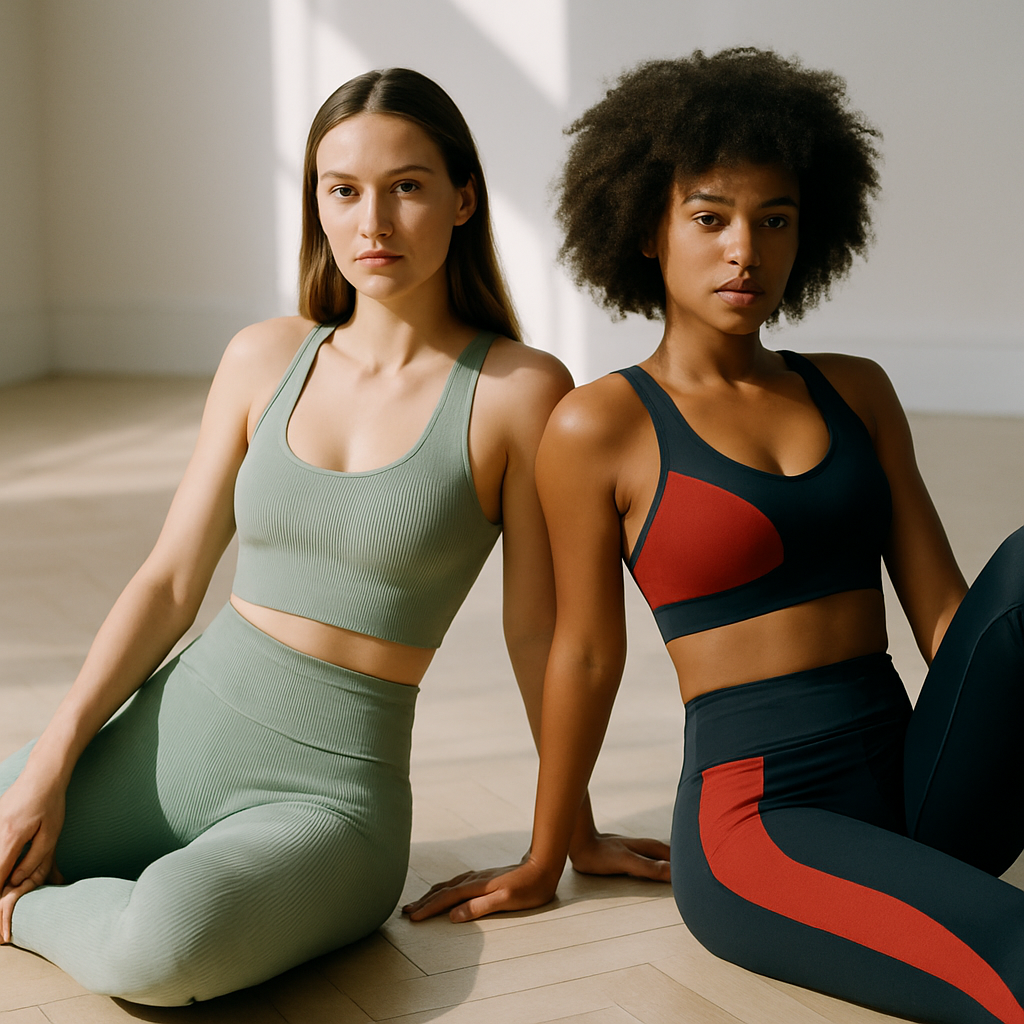
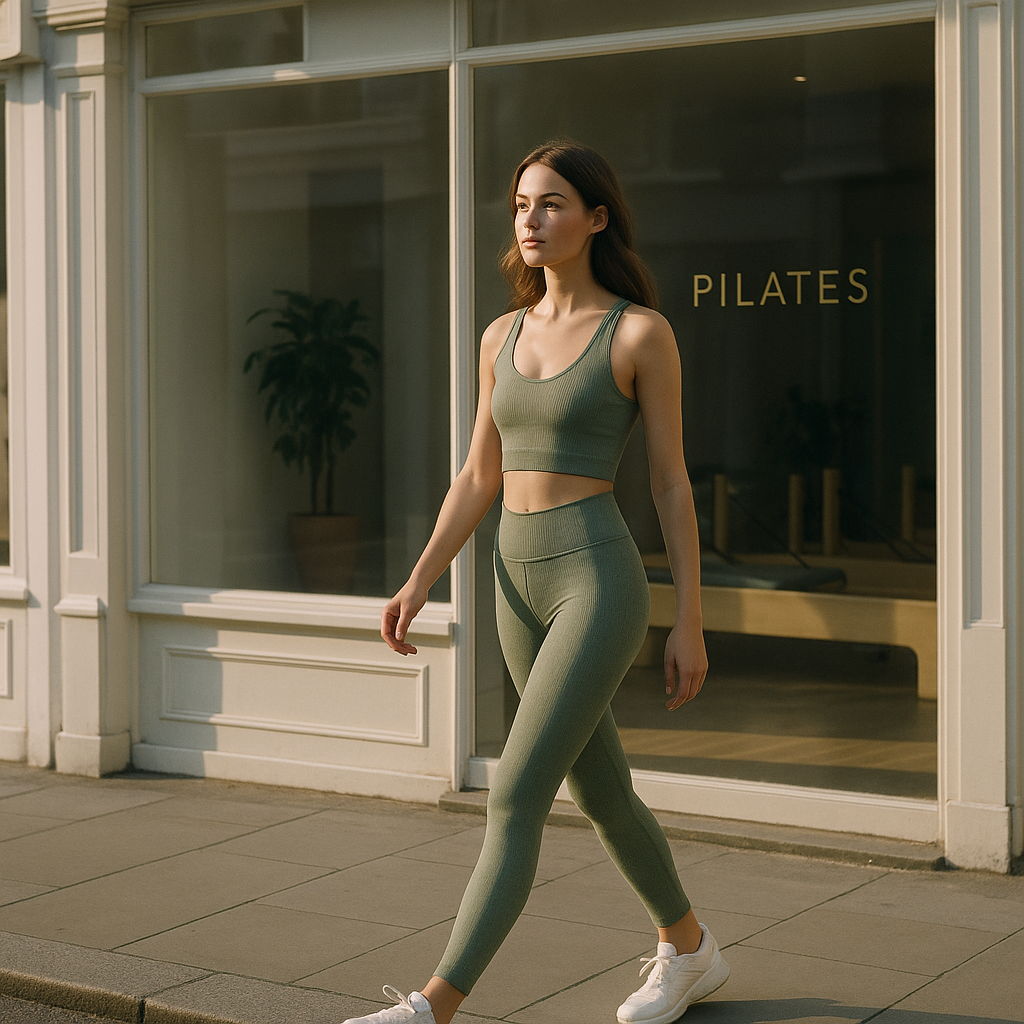
    Pilates aesthetic activewear versus gym girl activewear side by side in a London studio in 2026
    Pilates aesthetic activewear versus gym girl activewear side by side in a London studio in 2026

    What Actually Defines the Pilates Aesthetic in 2026

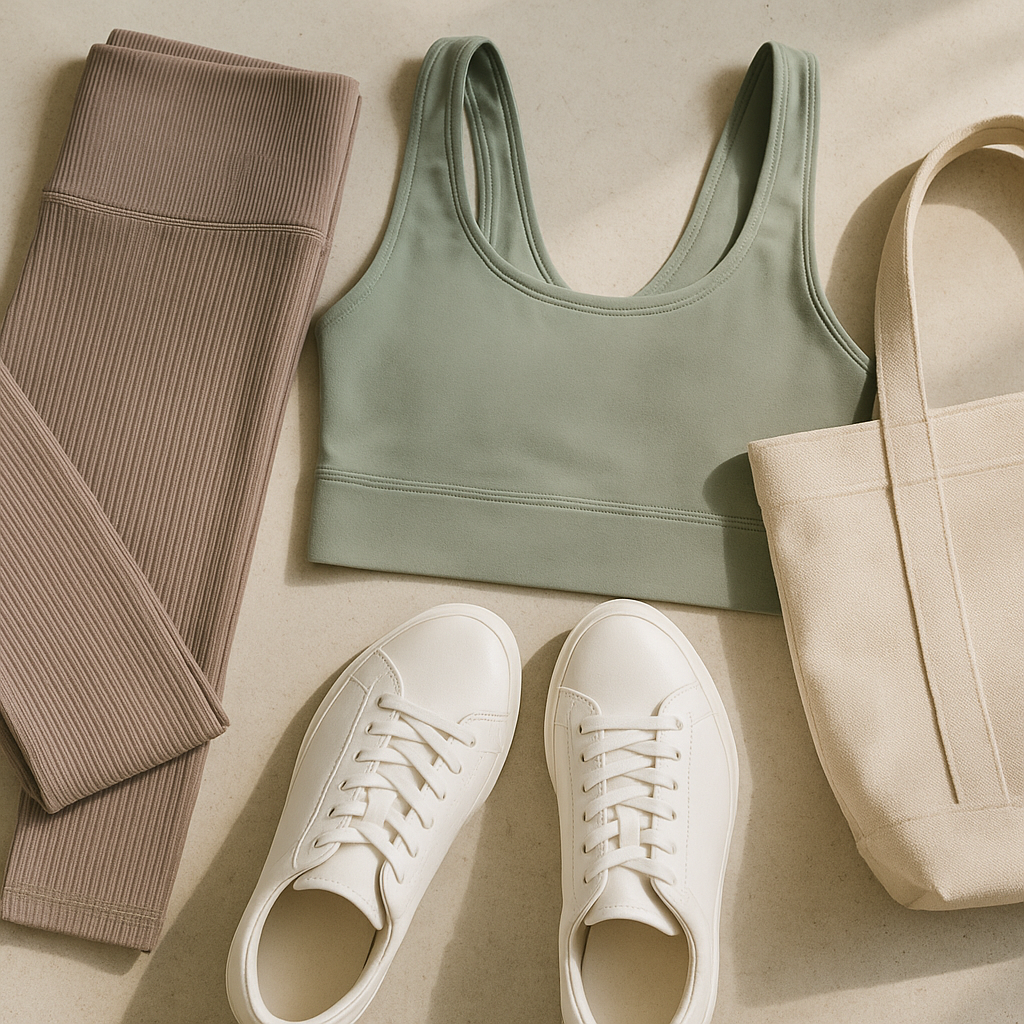
    The pilates aesthetic is not just about reformer classes and oat milk lattes, though the two do seem to travel together. At its core, it is a philosophy of understated precision. Think ribbed seamless leggings in clay, taupe or sage green. Longline sports bras with delicate seaming. Fitted, breathable hoodies that could pass as casualwear. The silhouette is close to the body without being aggressive about it.

    Brands like Gymshark’s sculpt range, Lululemon, and the increasingly popular British label Varley are leading this corner of the market. Neutral tones dominate, but there is texture here too: waffle knits, ribbed finishes, and that particular buttery-soft fabric that has become almost a signature of the whole genre. The palette rarely strays beyond dusty pink, ecru, mocha, and forest tones.

    Footwear matters enormously in this world. Minimalist trainers in white or stone from brands like New Balance or Adidas Samba are standard issue. Grip socks inside the studio. A structured tote rather than a drawstring bag. The pilates aesthetic activewear look extends well beyond the gym floor; it is designed to carry you through a coffee catch-up or a wander down Marylebone High Street without anyone batting an eye.

    The Gym Girl Aesthetic: Loud, Proud and Performance-Obsessed

    The gym girl look is an entirely different beast. It is unapologetically bold. High-waisted leggings with a scrunch, colour-blocked crop tops, neon training shoes with serious grip, a bold water bottle the size of a small fire extinguisher. This aesthetic grew out of online fitness culture and has only intensified. In 2026, it has fully arrived on the high street.

    Key pieces include contoured leggings that emphasise shape (typically in electric blue, hot pink, or print), matching set co-ords with logo waistbands, and padded sports bras with enough structure to double as outerwear. Gymshark, Better Bodies, and AYBL are the go-to names for this look in the UK. All three offer the technical fabric and the visual impact this aesthetic demands.

    The gym girl look is less about blending in and more about showing up. It says: I am here, I train hard, and my outfit is a reflection of that energy. There is something refreshing about its lack of apology. Footwear leans towards chunky training shoes, often from Nike or Reebok, with bright colourways that match or clash deliberately with the outfit. The whole look is assembled with intention.

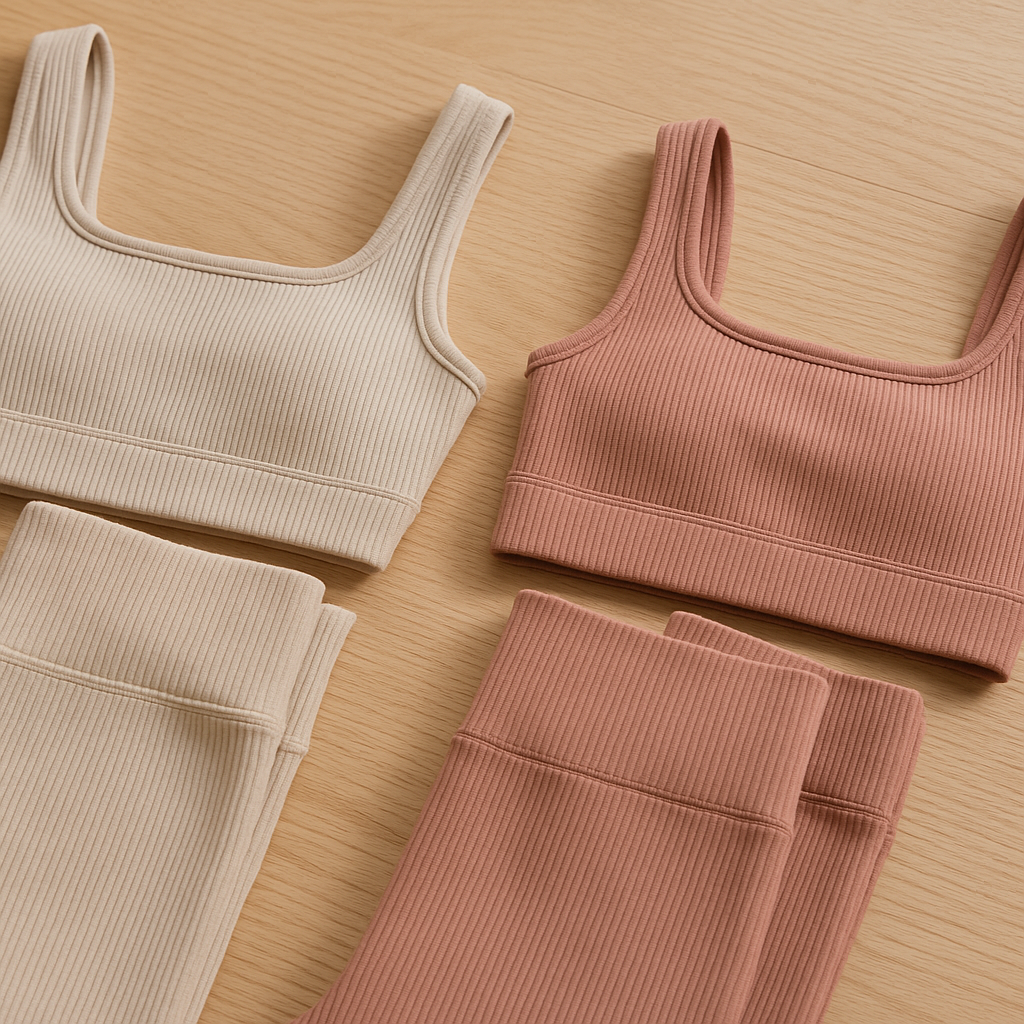
    Key pieces for the pilates aesthetic activewear look laid flat on a pale concrete surface
    Key pieces for the pilates aesthetic activewear look laid flat on a pale concrete surface

    Pilates Aesthetic vs Gym Girl: Key Styling Differences

    The most useful way to think about this is in terms of silhouette, colour, and occasion. The pilates aesthetic activewear approach keeps things fluid and elongated; think long lines, neutral tones, minimal branding. The gym girl look is contoured, colourful, and branded with confidence. Neither is superior; they serve different moods and settings.

    If your week involves reformer classes, yoga studios, WFH days, and brunches, the pilates aesthetic is going to carry you through every transition without a second outfit. If you are lifting four times a week, attending spin classes, and want your workout gear to mirror the intensity of your training, the gym girl aesthetic is a better fit for that energy.

    Where it gets interesting is in the crossover. A lot of women in the UK are mixing elements from both camps. Neutral-toned leggings from a pilates-adjacent brand paired with a performance sports bra that has a bit more presence. Structured gym trainers with a softer, ribbed co-ord. The strict binary between the two aesthetics is blurring, and honestly, that is where the best looks are being assembled right now.

    What to Buy: The Key Pieces for Each Look

    For the Pilates Aesthetic

    • Ribbed seamless leggings in taupe or sage (Varley, Lululemon Align)
    • Longline sports bra with minimal branding (M&S Move range, Adanola)
    • Fitted half-zip pullover in oatmeal or dusty pink (Gymshark Tone, Free People Movement)
    • White or stone low-profile trainers (New Balance 550, Adidas Gazelle)
    • Structured canvas or leather tote for post-session transitions

    For the Gym Girl Look

    • Contoured scrunch leggings in bold print or bright colour (AYBL, Better Bodies)
    • Padded cropped sports bra with logo detail (Gymshark, Reebok)
    • Oversized fitted hoodie in a matching or contrasting tone
    • Chunky training shoes with colour (Nike Metcon, Reebok Nano)
    • Large water bottle, gym bag with serious compartments, resistance bands visible

    Which Aesthetic Is Right for You in 2026?

    Honestly, the answer is probably both. But if you are building a capsule activewear wardrobe from scratch, start with your actual routine. According to The Guardian’s fitness and lifestyle coverage, participation in boutique studio fitness (pilates, barre, yoga) in the UK has grown significantly post-pandemic, with attendance at independent studios up year on year. That cultural shift has directly fuelled the pilates aesthetic activewear movement.

    But gym memberships are at record levels too. PureGym, The Gym Group, and independent lifting gyms are full. The gym girl aesthetic has a massive, loyal audience that shows no sign of shrinking. If anything, the influence of UK fitness creators on TikTok and Instagram has given it a second wind in 2026.

    My take: invest in two or three foundational pieces from each camp and let them inform each other. A sculpted neutral legging works just as hard in a HIIT class as it does in a reformer session. A bold colour-blocked sports bra can anchor an otherwise understated outfit beautifully. The best activewear wardrobes in 2026 are not rigid; they are curated.

    And if fitness culture bleeds into the rest of your life, which it increasingly does, your active wardrobe needs to keep up. Whether you are heading to a sound system event with quality Custom Car Audio installation or straight from a Pilates class to a gallery opening in Shoreditch, the right activewear should make that transition feel effortless.

    Pick your vibe. Mix it deliberately. And buy less, but buy better.

    Frequently Asked Questions

    What is the pilates aesthetic activewear trend in 2026?

    The pilates aesthetic is a minimalist, studio-ready approach to activewear characterised by muted tones, seamless ribbed fabrics, and clean silhouettes. It prioritises understated elegance over performance branding and is designed to transition seamlessly from the studio to daily life.

    What are the best UK brands for the pilates aesthetic look?

    UK-accessible brands leading the pilates aesthetic include Adanola, Varley, and Lululemon’s Align range. M&S Move and Free People Movement are also popular for their neutral-tone, seamless pieces that suit the studio-to-street lifestyle.

    How is the gym girl aesthetic different from the pilates aesthetic?

    The gym girl aesthetic is bolder and more performance-driven, featuring contoured leggings, bright colours, padded sports bras, and prominent logo branding. It is built around intensity and visual presence, whereas the pilates aesthetic leans into softness and restraint.

    Can you mix pilates aesthetic and gym girl activewear pieces?

    Absolutely, and many women in the UK are doing exactly that. Neutral-toned leggings from a pilates-adjacent brand paired with a structured, bold sports bra creates a balanced look that works across both worlds. The lines between the two aesthetics are increasingly blurred in 2026.

    How much should I budget for a quality activewear wardrobe in the UK?

    A solid capsule of three to five pieces from quality brands typically costs between £150 and £400. Mid-tier brands like AYBL and Adanola offer strong value, while premium options like Lululemon or Varley sit higher. Investing in fewer, better pieces tends to outlast fast-fashion activewear considerably.

  • Dopamine Dressing: How to Use Colour Psychology to Boost Your Mood Through Fashion

    Dopamine Dressing: How to Use Colour Psychology to Boost Your Mood Through Fashion

    There is something quietly radical about getting dressed with intention. Not just throwing on whatever is clean, but actually choosing colours and silhouettes that shift how you feel before you have even left the house. That is the backbone of dopamine dressing colour psychology, a framework that sits at the intersection of fashion, neuroscience and everyday mental wellbeing. And before anyone rolls their eyes at it being a TikTok trend that has already peaked, the science behind it is genuinely compelling.

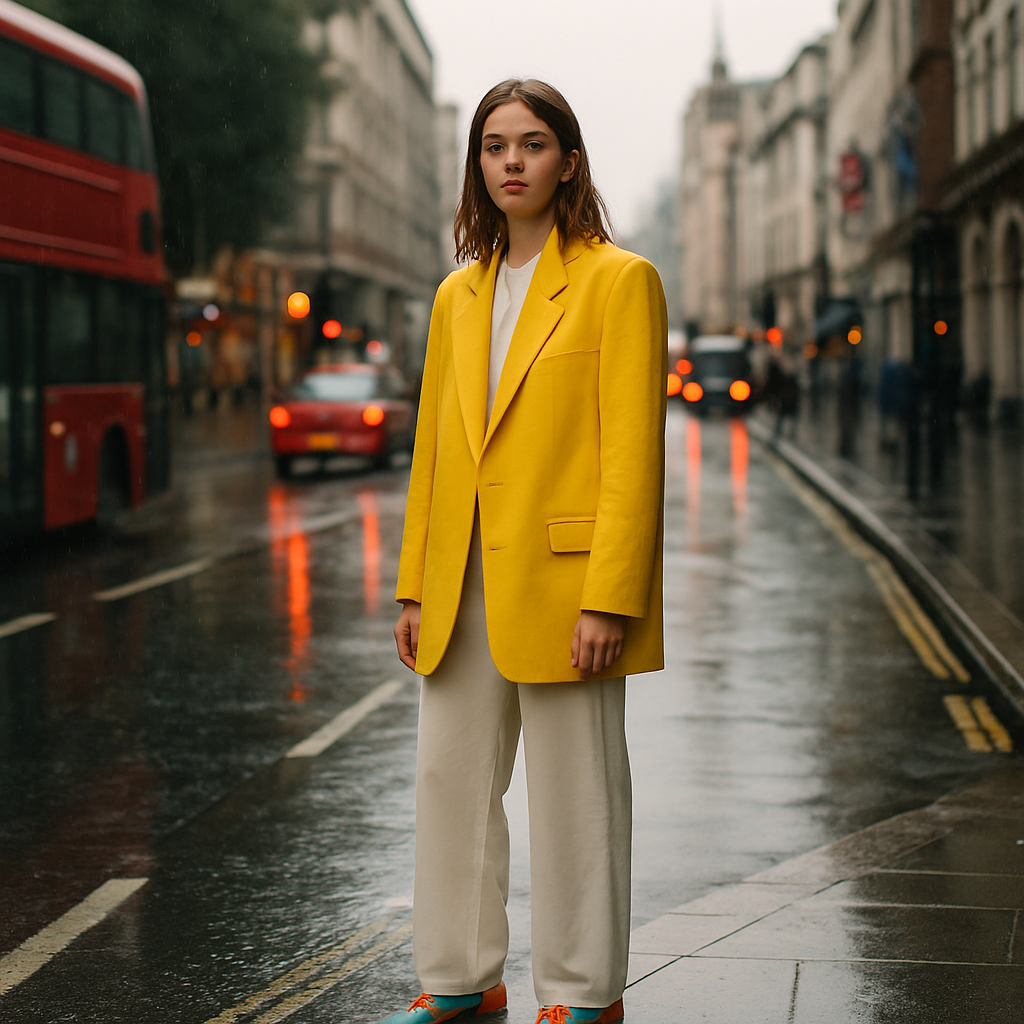
    Woman in bold yellow blazer demonstrating dopamine dressing colour psychology on a London street
    Woman in bold yellow blazer demonstrating dopamine dressing colour psychology on a London street

    What Is Dopamine Dressing?

    The term refers to dressing in a way that deliberately triggers a positive emotional response. Dopamine, the brain’s reward chemical, gets released when we experience something pleasurable. That rush you feel when you find the perfect pair of trainers or pull on a coat that makes you feel untouchable? That is dopamine doing its thing. Fashion psychologists, including the widely cited Dr Dawnn Karen, have argued that our clothing choices are deeply tied to emotional regulation. What we wear is not superficial. It is a form of self-expression that our brains respond to on a chemical level.

    Colour is where it gets really interesting. Research in environmental and applied psychology consistently shows that different colours provoke different physiological and emotional responses. This is not about flattering skin tones or seasonal palettes. It is about how your nervous system literally reacts to what it sees.

    The Colour Psychology Breakdown You Actually Need

    Understanding dopamine dressing colour psychology starts with knowing what specific colours are doing to your brain and body.

    Yellow and Orange: The Energy Colours

    Bright yellows and warm oranges are associated with optimism, warmth and sociability. Studies have shown they stimulate the nervous system and increase energy levels. If you have a presentation, a social event or simply a flat Monday morning ahead of you, reaching for a mustard knit or a burnt orange midi is not vanity. It is a functional mood intervention. High street shops like & Other Stories and Cos have been leaning hard into these tones for good reason.

    Red: Confidence on Command

    Red is the loudest colour in the spectrum and the research backs up why it commands attention. Wearing red has been linked to increased feelings of confidence and power, and studies suggest it can also influence how others perceive you, particularly in terms of authority and competence. A red blazer or a pair of bold red trainers is not just a style statement. It is armour.

    Blue: The Calm Anchor

    Cool blues lower heart rate and create a sense of calm and trustworthiness. If you are someone who tends to feel anxious before high-stakes situations, incorporating deep navy or cobalt into your outfit might genuinely help regulate your nervous system. It is no coincidence that corporate dressing has leaned on navy for decades.

    Green: Balance and Grounding

    Green sits at the mid-point of the visible spectrum, which means our eyes process it with the least strain. It is associated with balance, renewal and psychological ease. Sage, forest green and olive tones have dominated UK fashion retail recently, and wellness-adjacent dressing has embraced them for exactly this reason.

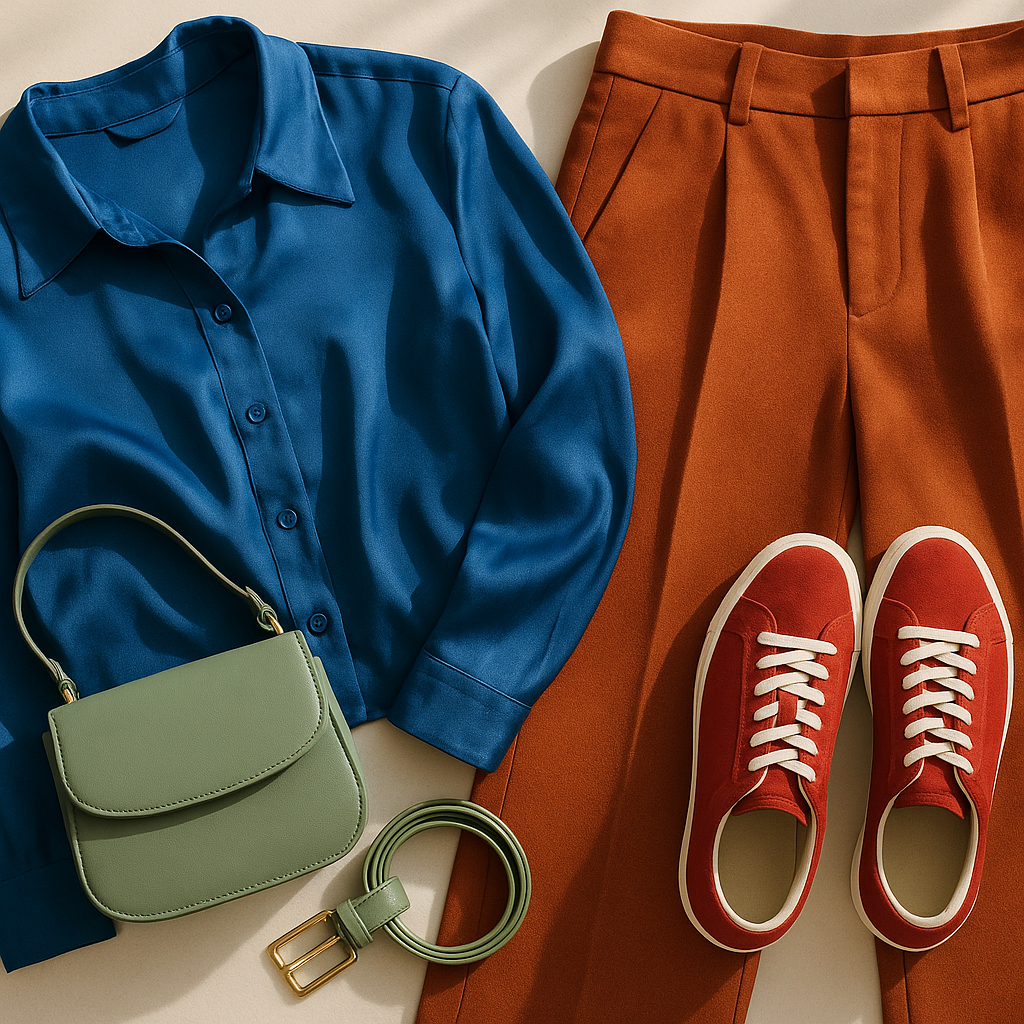
    Colourful fashion pieces illustrating dopamine dressing colour psychology choices
    Colourful fashion pieces illustrating dopamine dressing colour psychology choices

    Pink and Lilac: The Softness Shift

    Softer pinks and lavenders have been shown to reduce feelings of aggression and promote a sense of gentleness and openness. The Barbiecore wave of recent years was not just aesthetic nostalgia. It was people actively reaching for colour to feel something joyful during a particularly heavy cultural moment. That instinct was correct.

    Does Dopamine Dressing Actually Work?

    The honest answer is: yes, with caveats. The BBC has covered research into colour psychology and mood for years, and the consensus is that while colour alone will not fix deep-rooted mental health challenges, it absolutely influences emotional state in meaningful, measurable ways. The effect is compounded when you genuinely love what you are wearing. That is the enclothed cognition piece, a concept studied by Adam and Galinsky at Northwestern, which found that the symbolic meaning of clothing affects the wearer’s psychological state. Wearing something you associate with confidence makes you feel more confident. Full stop.

    For UK shoppers, the grey weather and muted seasonal palette can genuinely suppress mood. Wearing colour is a form of resistance to that. It is not delusional positivity. It is a practical, low-effort wellbeing tool.

    How to Actually Build a Dopamine Wardrobe

    This is where dopamine dressing colour psychology stops being theory and becomes something you can do on a Saturday morning with a coffee in hand.

    Start by auditing what you already own. Pull out the pieces that make you feel something when you put them on. Not the ones you think you should wear, the ones that actually shift your energy. Notice the colours. Notice the silhouettes. Those are your dopamine anchors.

    Then think about your life in sections. The days when you need confidence, reach for red or deep plum. The days when anxiety is high, try blue or green. The days when you just want to feel human and soft, lilac and blush are there for you. This is not a rigid system. It is awareness.

    Invest in a few key statement pieces rather than an entire wardrobe overhaul. A single bold-coloured coat, a pair of vivid trainers, or a printed co-ord can be the pivot point in an otherwise neutral outfit. High street brands like Arket and Whistles are doing excellent work with considered, intentional colour right now. If budget allows, Ganni and Staud bring bolder energy to the mix.

    The Self-Confidence Loop You Did Not Know You Were Creating

    Here is the part that makes dopamine dressing genuinely worth taking seriously. It creates a feedback loop. You wear something that makes you feel good. You get a positive reaction from others or simply from your own reflection. That positive experience reinforces the emotional association you have with that colour or outfit. Over time, your brain starts to build a reliable pathway between intentional dressing and feeling capable, present and confident.

    That is not trivial. In a culture that is finally taking mental wellbeing as seriously as physical health, understanding that something as accessible as a colour choice can meaningfully shift your internal state is powerful. You do not need a prescription or a retreat in Bali. Sometimes you just need a yellow blazer.

    Dopamine dressing colour psychology is not about performing happiness or dressing for other people. It is about using the tools you already have to show up as the version of yourself that handles the day best. That is a very modern, very real form of self-care. And it has the wardrobe to match.

    Frequently Asked Questions

    What is dopamine dressing and does it actually work?

    Dopamine dressing is the practice of choosing outfits specifically to trigger a positive emotional response, using colour, texture and silhouette to influence your mood. Research in colour psychology and enclothed cognition supports the idea that what we wear genuinely affects how we feel, though it works best as a complementary wellbeing tool rather than a standalone solution.

    Which colours are best for boosting mood through dopamine dressing?

    Yellows and oranges are linked to energy and optimism, red to confidence and authority, blues to calm, and greens to balance. Softer lilacs and pinks can reduce feelings of tension. The most effective colour for you personally will also depend on your individual emotional associations with that shade.

    Is dopamine dressing colour psychology backed by science?

    Yes, to a meaningful degree. Colour psychology is a well-established area of research in environmental and applied psychology, and the concept of enclothed cognition, studied by Adam and Galinsky, demonstrates that the symbolic meaning of clothing measurably affects psychological performance and mood. It is not pseudoscience, though individual responses to colour can vary.

    How do I start building a dopamine dressing wardrobe on a budget?

    Begin by identifying which pieces in your current wardrobe already make you feel good, and notice the colours and styles. Then add one or two bold statement pieces, such as a colourful coat or vivid accessories, rather than overhauling everything at once. UK high street brands like Arket, & Other Stories and Cos regularly stock quality colour-forward pieces at accessible price points.

    Can dopamine dressing help with anxiety or low mood?

    It can support mental wellbeing as part of a broader self-care approach. Wearing calming blues or grounding greens on high-anxiety days, or energising colours when motivation is low, can create a subtle but real shift in emotional state. It should complement, not replace, professional support for more significant mental health challenges.

  • The Ultimate Guide to Quiet Luxury Fashion in 2026: Less Is More

    The Ultimate Guide to Quiet Luxury Fashion in 2026: Less Is More

    Quiet luxury fashion in 2026 has not gone anywhere. If anything, it has got sharper. What started as a reaction to logomania and maximalist excess has matured into something far more considered. It is no longer about stripping back for the sake of it. It is about knowing exactly what you are doing, and letting the clothes do the talking without screaming.

    The aesthetic has evolved beyond beige tones and cashmere roll-necks. The new wave of quiet luxury fashion 2026 has texture, intention, and a quiet confidence that feels genuinely current rather than inherited from old money Pinterest boards. Here is how it looks right now, and how to build it without haemorrhaging your savings.

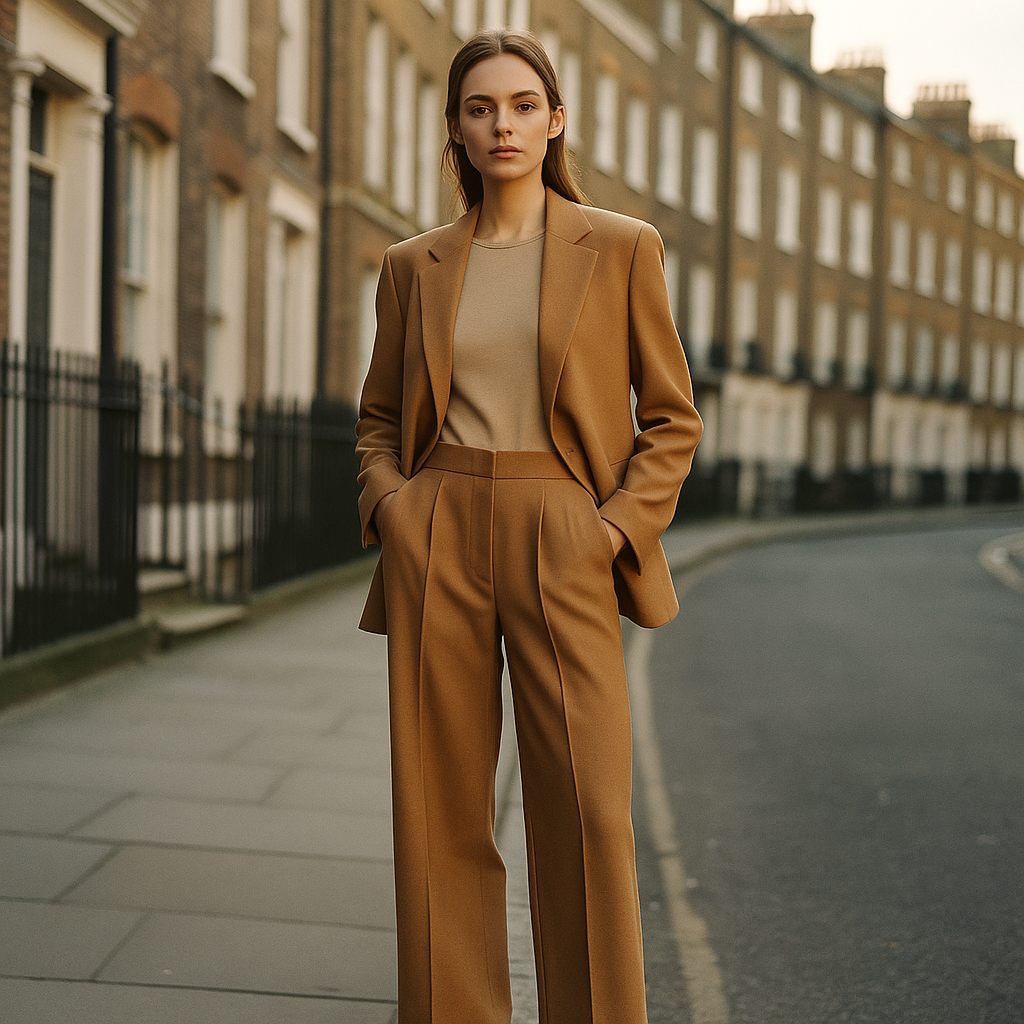
    Woman in understated quiet luxury fashion 2026 on a London street
    Woman in understated quiet luxury fashion 2026 on a London street

    What Is the Quiet Luxury Aesthetic in 2026?

    At its core, quiet luxury is about restraint as a form of power. No brash logos, no trend-chasing, no throwaway pieces. The look communicates wealth through fabric quality, precise tailoring, and a palette that feels cohesive rather than chaotic. Think Loro Piana, The Row, and Brunello Cucinelli. Understated houses that charge eye-watering prices because the product genuinely earns it.

    In 2026, the evolution has brought in a few shifts worth noting. First, colour has crept in. The original iteration leant heavily on oatmeal, ivory, and stone. Now we are seeing deep navy, forest green, and charcoal integrated into quiet luxury wardrobes without disrupting the overall calm. Second, there is a stronger emphasis on functional elegance. Pieces that look impeccable on a Monday morning but also work through a weekend in Edinburgh or a dinner in Mayfair. Versatility is the new luxury.

    The Wardrobe Staples You Actually Need

    Building a quiet luxury wardrobe is not about buying everything at once. It is about acquiring fewer, better things over time. These are the foundational pieces worth prioritising.

    A well-cut, unstructured blazer

    The single most transformative item in a quiet luxury wardrobe. Worn over a crisp white shirt or a fine-knit polo, an unstructured blazer in camel, navy, or charcoal instantly reads expensive. UK brands like Reiss and Arket offer genuinely excellent options at a fraction of luxury house pricing. The fit is everything here. If it needs tailoring when you buy it, get it tailored. That small additional spend separates a good blazer from a great one.

    Merino or cashmere knitwear

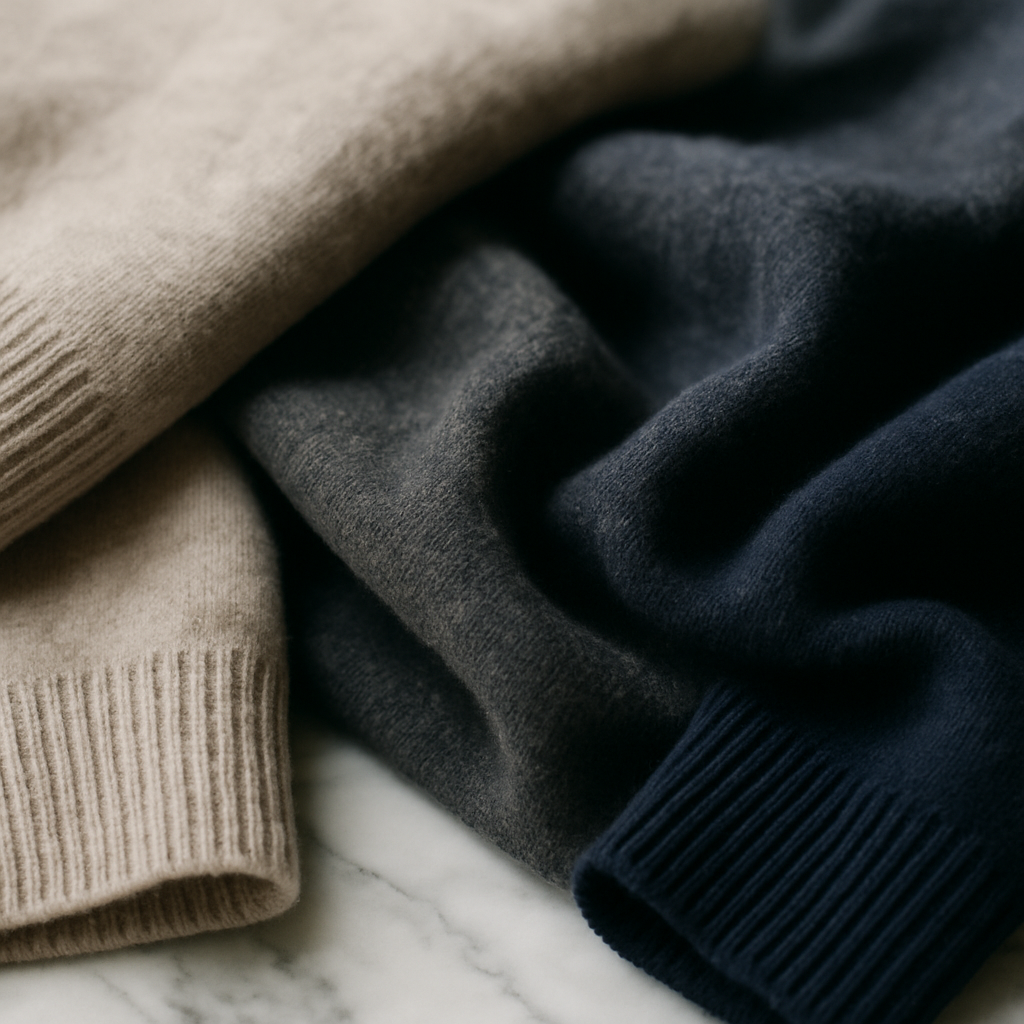
    The knit has replaced the hoodie in the quiet luxury wardrobe. A fine-gauge merino or cashmere crewneck in a neutral tone is endlessly versatile. John Smedley, manufactured in Derbyshire since 1784, remains one of the best British options for quality knitwear that holds its shape and does not bobble after three washes. It is an investment, but a rational one.

    Tailored trousers in a quality fabric

    Wide-leg tailored trousers in wool or a wool-blend have become the quiet luxury silhouette staple of this moment. They balance a slim knit on top, look polished without effort, and age well. Marks and Spencer’s Autograph range has quietly become a go-to for this category at a sensible price point.

    Clean, minimal leather footwear

    Footwear either makes or breaks the quiet luxury look. Chunky trainers, heavily branded sneakers, and anything overly embellished undercut the entire aesthetic. A clean leather loafer, a simple Derby shoe, or a well-made leather boot are the right choices here. Tod’s, Church’s (British heritage, still manufactured in Northampton), and Massimo Dutti all hit the mark without demanding you spend four figures.

    Cashmere knitwear details central to quiet luxury fashion 2026 wardrobe
    Cashmere knitwear details central to quiet luxury fashion 2026 wardrobe

    How to Look Expensive Without Spending a Fortune

    This is where quiet luxury fashion 2026 gets genuinely interesting. The aesthetic is so rooted in quality signals rather than logo recognition that a thoughtful shopper can replicate it without buying into heritage luxury houses at all. A few principles make the difference.

    Fabric first, always. Touch the item before you buy it. Anything that pills at first touch, feels synthetic in a bad way, or looks cheap under natural light should be left behind. The charity shops and pre-loved platforms like Vinted and Vestiaire Collective are genuinely brilliant for finding quality pieces at low prices. A well-maintained cashmere jumper from a charity shop in Cheltenham costs nothing like what it did new, and nobody can tell the difference.

    Fit beats price every time. A £40 tailored shirt that fits perfectly reads more expensively than a £200 shirt that pulls across the shoulders. Know your measurements. Use a tailor. Alterations are underused and underrated in the UK, and most local dry-cleaners offer a basic alterations service for a very reasonable fee.

    Edit ruthlessly. A capsule wardrobe of 15 to 20 well-chosen pieces signals more considered taste than a wardrobe bursting with fast fashion. The BBC’s coverage of capsule wardrobing has brought the idea to a broader audience, but the quiet luxury set has been living this way for years. Quality over quantity is not a cliché here. It is the entire point.

    Stick to a tonal palette. The quiet luxury wardrobe looks expensive partly because everything in it works together. If your colour palette spans three or four tones, every combination you pull out will look intentional. Add variety through texture instead of colour, and the whole thing feels cohesive.

    Understated UK and European Brands Worth Knowing

    You do not need to be shopping in Milan or Paris to build a quiet luxury wardrobe in 2026. Some of the best understated brands are either British or widely available here.

    Sunspel is a British heritage brand producing quality basics from Long Eaton, Nottinghamshire. Their T-shirts and knitwear are genuinely made to last and carry none of the showiness of louder labels. Cos continues to deliver architectural minimalism at accessible prices. Margaret Howell is the real quiet luxury British reference. Understated, beautifully made, and deeply unfussy in the best possible way. For outerwear, Mackintosh offers heritage British rainwear that is as elegant as anything from a Parisian house.

    The point is not to replicate The Row on a high street budget. The point is to find pieces that share its values. Precision, restraint, longevity.

    The Mindset Behind the Aesthetic

    Quiet luxury fashion 2026 is as much a philosophy as it is a look. It asks you to buy less, buy better, and dress with a degree of self-possession that does not require external validation from a recognisable brand name. That is genuinely countercultural in an era driven by fast content, trend cycles measured in weeks, and an influencer economy built on constant newness.

    The wardrobe you build in this spirit should feel like yours. It should last. It should look as good in three years as it does today. That is the actual luxury being sold here, and it is one worth paying for.

    Frequently Asked Questions

    What is quiet luxury fashion in 2026?

    Quiet luxury fashion in 2026 is a style philosophy built on restraint, quality fabrics, precise tailoring, and minimal branding. It prioritises pieces that look expensive through craftsmanship rather than obvious logos or trend-led details. The 2026 evolution has incorporated more colour and a greater emphasis on functional versatility.

    How do I build a quiet luxury wardrobe on a budget?

    Focus on fit and fabric quality over labels. Pre-loved platforms like Vinted and Vestiaire Collective are excellent for finding quality pieces cheaply, and local alterations services can transform a modestly priced item into something that looks genuinely expensive. A tonal, limited colour palette and ruthless editing of your wardrobe also go a long way.

    Which UK brands are best for quiet luxury style?

    Sunspel, John Smedley, Margaret Howell, and Mackintosh are all strong British options. For more accessible price points, Cos, Reiss, Arket, and Marks and Spencer’s Autograph range all offer understated, quality pieces that fit the aesthetic without demanding luxury house pricing.

    Is quiet luxury still a trend in 2026 or is it fading?

    Quiet luxury has evolved from trend into something closer to a lasting style movement. Rather than fading, it has matured and become more textured, incorporating deeper colours and functional design alongside its original minimalist values. It no longer feels like a reaction to excess but a genuinely settled aesthetic.

    What colours work best for a quiet luxury wardrobe?

    The original quiet luxury palette of oatmeal, ivory, and stone remains strong, but in 2026 deep navy, forest green, and charcoal have become equally accepted. The key is sticking to a tonal, cohesive palette of three to four shades so that every combination in your wardrobe works effortlessly together.

  • London Fashion Week vs the Rest: Why Britain’s Regional Style Scenes Deserve More Attention in 2026

    London Fashion Week vs the Rest: Why Britain’s Regional Style Scenes Deserve More Attention in 2026

    London has had a brilliant run. The capital’s fashion legacy is undeniable, from the punk-splattered Kings Road of the 1970s to the boundary-pushing graduates of Central Saint Martins. But in 2026, British style is no longer a single city’s story. The UK regional fashion scenes emerging right now are loud, sharp, and frankly overdue their moment in the spotlight.

    Scroll through the feeds of the most interesting emerging designers this year and you will notice something. Fewer of them are based in Shoreditch or Dalston. More of them are shooting lookbooks on the Northern Quarter’s back streets, in Glasgow’s Merchant City, or against Birmingham’s brutalist architecture. The energy has shifted, and anyone paying attention can feel it.

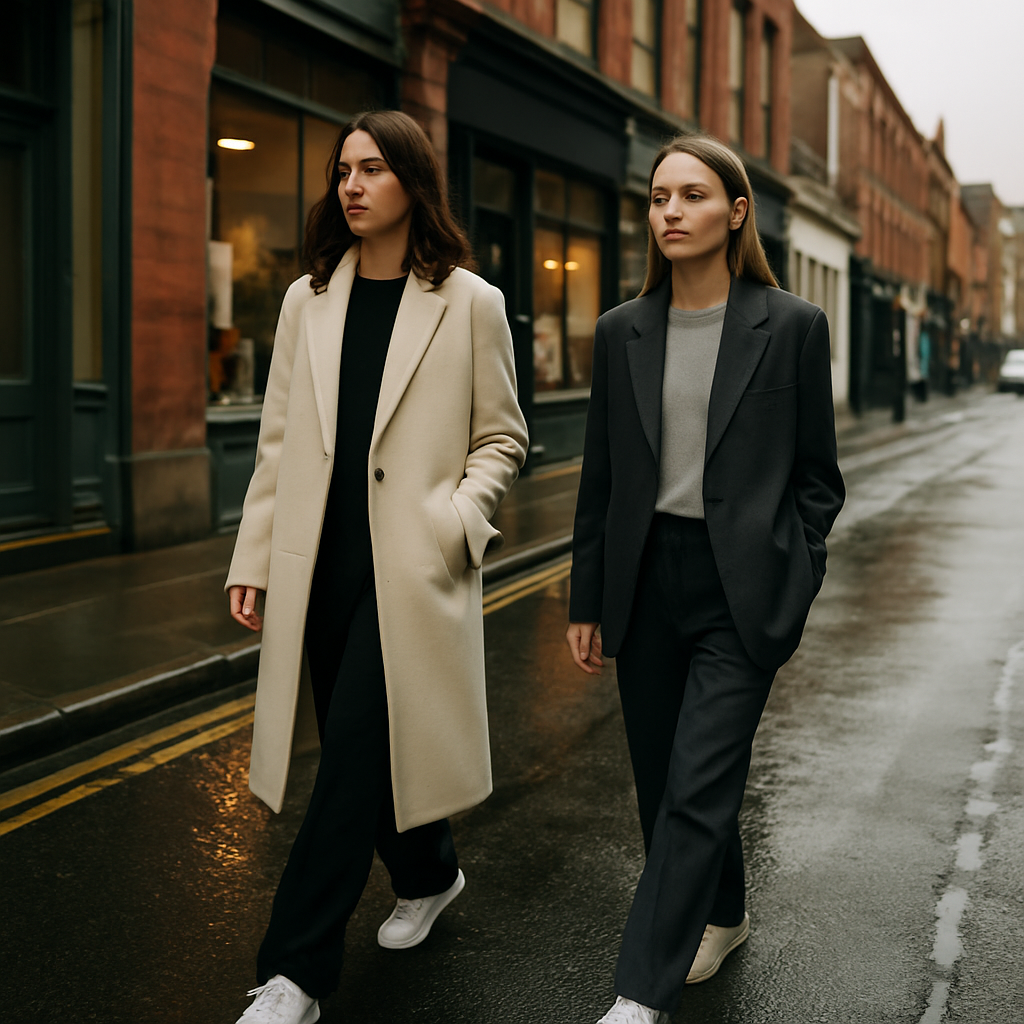
    Two stylish women walking through Manchester's Northern Quarter representing UK regional fashion scenes 2026
    Two stylish women walking through Manchester's Northern Quarter representing UK regional fashion scenes 2026

    Manchester: The City That’s Always Dressed for the Night

    Manchester’s relationship with fashion is deeply tied to its music culture. From Madchester’s baggy silhouettes to the rave-to-terrace pipeline of the 1990s, the city has always had its own language. What’s happening now feels like a genuine evolution of that. Independent labels and stylists based in the Northern Quarter are blending utility and luxury in ways that London hasn’t quite caught up with yet.

    Labels like ADPT and local multi-brand boutiques such as Oi Polloi have long championed a Mancunian aesthetic that prioritises wearability without sacrificing edge. Relaxed tailoring, premium outerwear, and footwear choices that would hold up on a tram and in a restaurant. In 2026, that sensibility is being elevated. Manchester’s fashion community is not trying to be London-lite. It is doing something distinctly its own, and the rest of the UK is noticing.

    Glasgow: Where Subcultural Depth Meets High-Concept Dressing

    Glasgow deserves a much bigger conversation in any discussion of UK regional fashion scenes 2026. The city’s art school heritage, centred around the Glasgow School of Art, has produced a steady stream of designers who approach clothing as a conceptual medium rather than just a commercial product.

    The street style coming out of the West End and the Barras market area is genuinely unlike anything else in Britain. There is an unapologetic commitment to bold silhouettes, thrifted archive pieces mixed with forward-thinking independent labels, and a refusal to play it safe. Glasgow dresses with intention. The vintage resale scene here is exceptional, and local designers such as Holly Fulton (who grew up in Edinburgh but trained in Glasgow) represent the kind of craft-led, globally minded approach that defines Scottish fashion at its best.

    According to the BBC’s coverage of Scotland’s creative industries, Scotland’s fashion and textiles sector contributes significantly to the wider UK creative economy, yet receives a fraction of the investment and media attention concentrated in London.

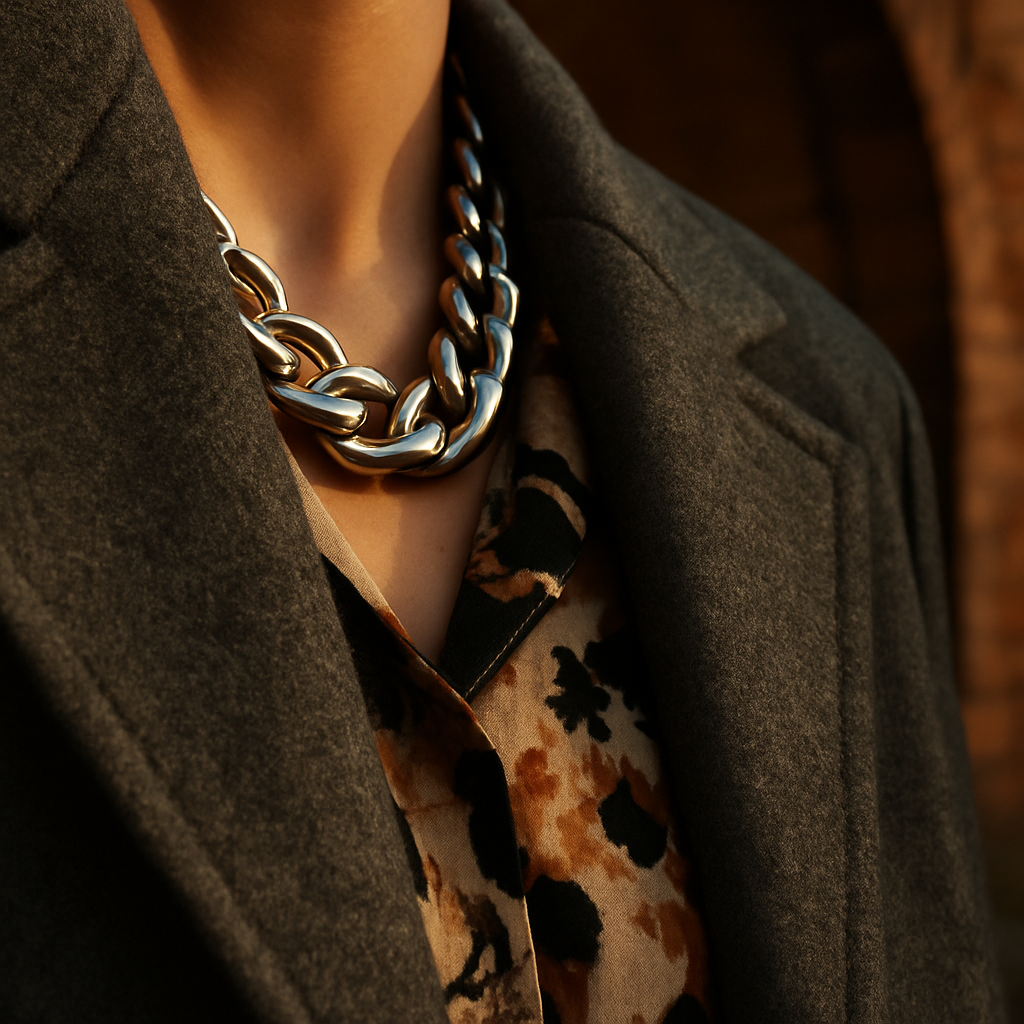
    Close-up fashion detail shot illustrating the bold layering style characteristic of UK regional fashion scenes 2026
    Close-up fashion detail shot illustrating the bold layering style characteristic of UK regional fashion scenes 2026

    Birmingham: Diverse, Bold, and Entirely Itself

    No city in Britain reflects the full spectrum of its population’s style influences quite like Birmingham. With one of the most culturally diverse communities in the UK, Birmingham’s fashion identity draws from South Asian heritage, Caribbean influences, Black British style culture, and a strong homegrown streetwear scene that has been building quietly for years.

    The Bullring area and the independent shops scattered through Digbeth are incubating something genuinely exciting. South Asian bridal and occasion wear designers based in Birmingham are producing work that rivals anything shown at London Fashion Week, yet rarely receives national press. The city’s streetwear community has nurtured brands with real authenticity and a clear visual identity that speaks to lived experience rather than trend forecasting.

    Birmingham’s fashion week events and community-led showcases are growing year on year. This is a city developing its own infrastructure, not waiting for the capital to give it permission.

    Newcastle: Terrace Culture and Understated Edge

    Newcastle gets written off as a party city, which does a disservice to its actual style culture. Tyneside has always had strong opinions about how to dress, and that opinionated energy translates into something compelling when channelled into fashion. The city’s terrace wear heritage feeds directly into a contemporary interest in premium casual dressing: Stone Island, Palace, and local independent boutiques doing genuine curation rather than just stocking the obvious.

    There is also a growing independent designer community in Newcastle that is worth tracking. Graduates from Northumbria University’s fashion courses are producing work with real commercial potential, and the city’s appetite for quality over disposable trend pieces is creating a consumer base that discerning brands should pay attention to.

    Why the Media Conversation Is Catching Up (Slowly)

    The truth is that British fashion media has been London-centric by habit rather than by necessity. London Fashion Week is a genuine spectacle and remains commercially vital, but it does not reflect the full breadth of what British style actually looks like on the ground. UK regional fashion scenes in 2026 are producing designers, photographers, stylists, and cultural voices who are shaping aesthetics globally, often without the column inches they deserve.

    Social media has done some of the heavy lifting here. Instagram and TikTok have made it possible for a designer in Salford or a stylist in Partick to build an international following without ever needing a London showroom. The gatekeeping that once made geographic proximity to the capital essential is eroding. Rapidly.

    This shift also matters commercially. As the ONS data on regional economic activity continues to show growing creative sector outputs outside London, brands and retailers who only look to the capital for their trend cues are missing the bigger picture. The next wave of influential British style is coming from everywhere at once.

    What This Means for British Fashion in 2026

    The most exciting thing about UK regional fashion scenes right now is the lack of a single unified aesthetic. Manchester has its utility-cool pragmatism. Glasgow has its conceptual edge. Birmingham has its cultural richness and fearless colour. Newcastle has its premium-casual confidence. None of these cities are trying to be London, and that is precisely what makes them compelling.

    British fashion has always been at its best when it is chaotic, plural, and slightly difficult to pin down. That energy exists in abundance across the country. The question is whether the industry’s commissioning editors, buyers, and investment networks are ready to follow it beyond the M25. In 2026, all the signs suggest they are finally beginning to.

    If you are serious about British style, start looking north, west, and everywhere else the map takes you. London is still in the conversation. It just does not get to lead it alone anymore.

    Frequently Asked Questions

    Which UK cities outside London have the strongest fashion scenes?

    Manchester, Glasgow, Birmingham, and Newcastle are consistently producing strong independent designers, stylists, and distinct street style communities. Each city has a different aesthetic identity rooted in its own cultural history and music or arts heritage.

    Are there UK fashion weeks outside of London?

    Yes. Birmingham, Manchester, and Edinburgh all host fashion events and showcases, though they operate on a smaller scale than London Fashion Week. These events are growing in profile as regional fashion gains wider media recognition in 2026.

    Why is British fashion so London-centric?

    Historically, proximity to major press outlets, buyers, and industry networks made London the default hub for British fashion. However, social media and shifting investment patterns are making it easier for designers outside the capital to build audiences and credibility without relocating.

    What makes Manchester's fashion scene different from London's?

    Manchester’s style is deeply rooted in music culture, from Madchester to rave and terrace wear, producing an aesthetic that blends utility and edge with strong wearability. It prioritises authenticity over trend-chasing, which gives it a distinctive character that stands apart from London’s more industry-driven approach.

    How can I discover emerging fashion designers from UK regions?

    Following regional fashion weeks, TikTok and Instagram accounts from independent boutiques in cities like Glasgow or Birmingham, and checking graduate showcases from universities such as Northumbria or Manchester School of Art are all great starting points for finding emerging regional talent.

  • Vintage Luxury Resale: How to Authenticate, Buy and Style Pre-Loved Designer Pieces Like a Pro

    Vintage Luxury Resale: How to Authenticate, Buy and Style Pre-Loved Designer Pieces Like a Pro

    The luxury resale market is no longer a niche corner of fashion. It is a fully-fledged industry, and in the UK alone it is worth billions. Whether you are hunting for a classic Burberry trench, a nineties Vivienne Westwood corset, or a barely-worn Bottega Veneta tote, buying vintage luxury designer pieces has never been more accessible. What has changed is the level of sophistication involved. The fakes are better. The platforms are smarter. And the styling game has moved on entirely.

    This guide covers everything you need to know: how to spot authenticity before you part with serious money, which platforms are actually worth your time, and how to wear pre-loved finds in a way that feels current rather than costume.

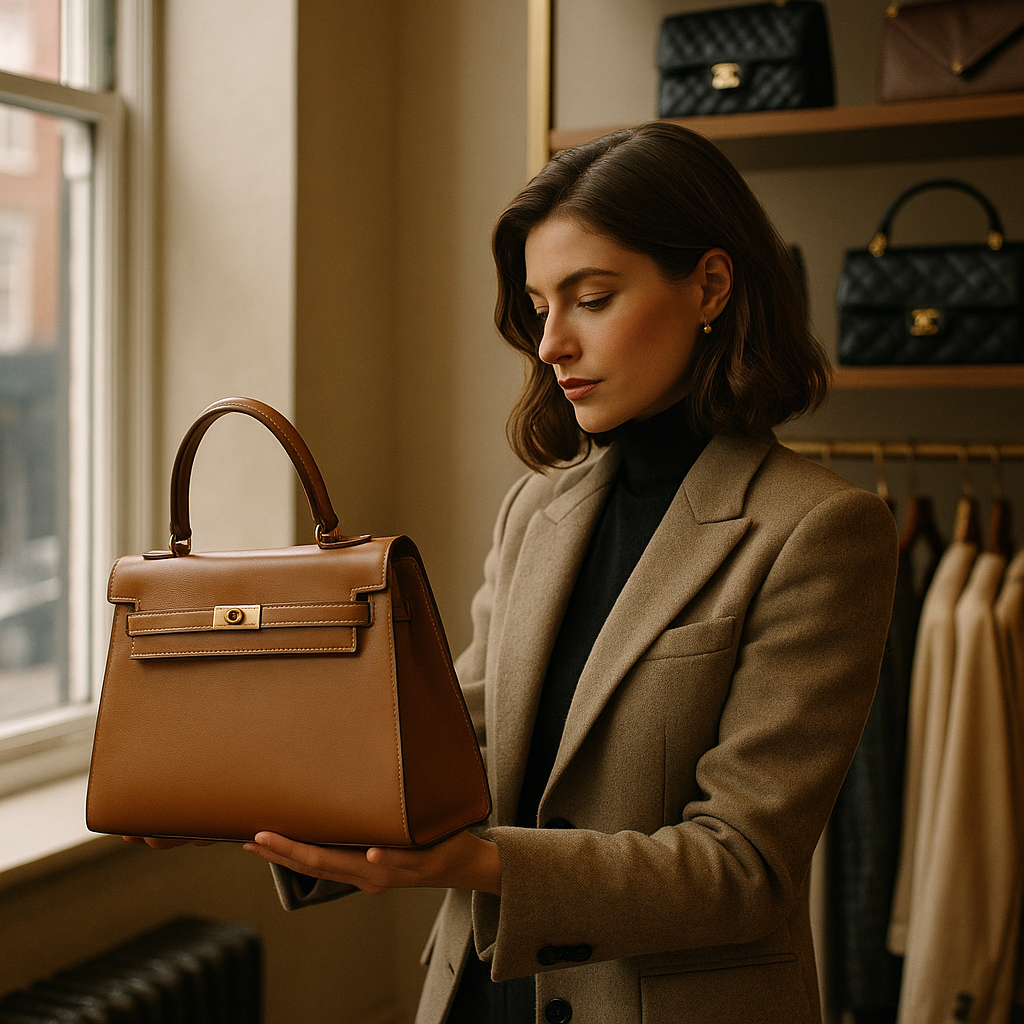
    Stylish woman examining a pre-loved designer handbag when buying vintage luxury designer pieces in London boutique
    Stylish woman examining a pre-loved designer handbag when buying vintage luxury designer pieces in London boutique

    Why the Luxury Resale Market Is Booming Right Now

    Resale has had a serious glow-up. According to a 2025 report from ThredUp and Bain and Company, the global secondhand luxury market is projected to outpace the primary luxury market by 2027. In the UK, platforms like Vestiaire Collective and Vinted have seen explosive growth, with Vestiaire reporting that British users make up one of their largest audiences in Europe.

    The reasons are layered. There is the obvious financial one: buying a pre-owned Chanel flap bag at 60% of its original retail price makes financial sense, especially when some luxury handbags have appreciated faster than ISAs over the past decade. But there is also an identity piece here. Gen Z and millennial shoppers are increasingly drawn to pieces with history. Wearing something that has had a life feels more interesting than pulling a box-fresh item off a rail at Selfridges.

    Sustainability is part of it too, though I would be sceptical of anyone who leads entirely with that. The style angle is just as powerful. Pre-loved luxury is cool. Full stop.

    How to Authenticate Before You Buy

    This is the part people get wrong most often, and it is where real money can disappear. Buying vintage luxury designer pieces requires a different kind of due diligence than buying new. Here is what to look for.

    Check the Hardware and Stitching

    Luxury brands are obsessive about detail. Louis Vuitton, for example, always aligns its LV monogram at the seams. Chanel stitching runs at exactly ten stitches per centimetre. If something looks slightly off, trust that instinct. Counterfeiters have improved significantly, but they rarely nail the hardware weight. Real Gucci hardware feels substantial in your hand. Fakes tend to be lighter and show surface scratching far too quickly.

    Request Provenance Documentation

    Ask for original receipts, dust bags, authenticity cards, and box packaging where available. Not every authentic piece will have all of these, particularly older items. But a seller who cannot produce any supporting documentation for a piece listed at £2,000-plus should raise eyebrows. Legitimate resellers will usually be transparent about what is and is not included.

    Use Third-Party Authentication Services

    Services like Entrupy and Real Authentication use AI-powered image analysis and specialist reviewers to verify luxury goods. For higher-value pieces, paying £15-£40 for an independent authentication report is money well spent. Several UK-based authentication specialists operate in London and Manchester if you prefer a physical appointment.

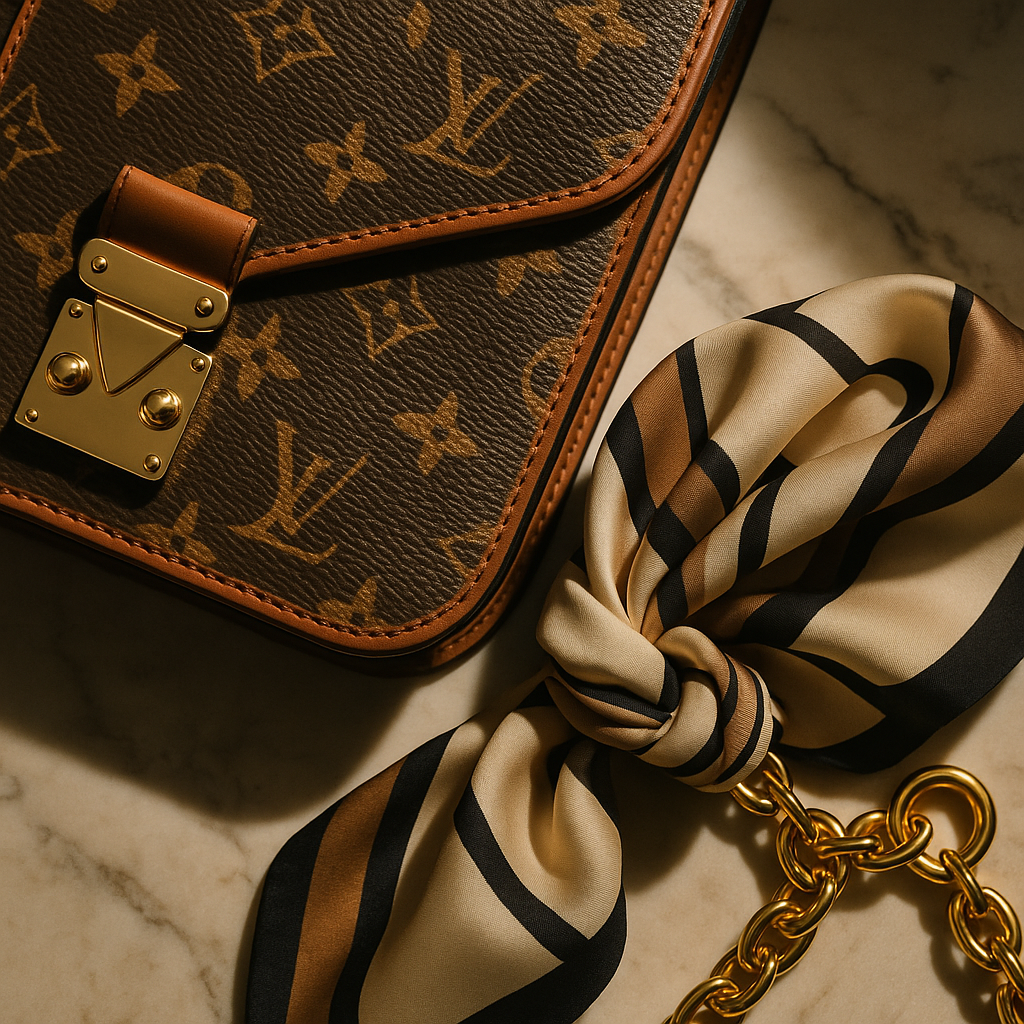
    Close-up detail of authenticated vintage luxury designer pieces including monogram bag and gold hardware
    Close-up detail of authenticated vintage luxury designer pieces including monogram bag and gold hardware

    Watch the Price Point

    If it looks too good to be true, it usually is. A supposedly authentic Hermès Birkin listed at £800 is not a bargain find. It is a red flag. Understanding approximate market values for the brands you are shopping is essential before you commit to buying vintage luxury designer pieces at any significant price point. The BBC Business has covered the counterfeit luxury trade extensively, and the scale of the problem is significant enough to warrant serious caution.

    The Best Platforms for Buying Pre-Loved Designer in the UK

    Not all resale platforms are equal. Here is an honest breakdown.

    Vestiaire Collective

    Probably the gold standard for authenticated luxury resale globally. Vestiaire has its own in-house authentication team and offers buyer protection. The range is enormous, spanning ready-to-wear, bags, shoes, and jewellery. Prices reflect the platform’s reputation, so do not expect bargains, but do expect confidence.

    eBay UK

    Underrated for vintage finds when you know what you are doing. eBay has invested heavily in its Authenticity Guarantee programme for handbags, trainers, and watches sold above certain price thresholds. Search by completed listings to gauge real market value before bidding.

    Hardly Ever Worn It (HEWI)

    A London-founded platform that remains one of the most curated in the UK. The sellers tend to be private individuals with genuine wardrobes rather than commercial resellers, which often means better provenance stories and more interesting pieces.

    Depop and Vinted

    Better suited to contemporary streetwear and mid-range designer pieces than true luxury. Useful for finding vintage Ralph Lauren, Prada Sport from the early 2000s, or Y2K-era pieces, but exercise more caution here since authentication is largely absent.

    How to Style Vintage Designer Pieces for a Contemporary Look

    Buying vintage luxury designer pieces is one thing. Wearing them with genuine confidence and a modern eye is another. The trap people fall into is treating a vintage piece as a precious museum object, styling an entire outfit around it as if it needs to be protected. The better approach is to integrate it into your existing wardrobe as if it simply belongs there.

    A nineties Prada nylon bag pairs effortlessly with a tailored suit and clean white trainers, grounding the look without trying too hard. A vintage Issey Miyake pleat piece worn over a simple ribbed vest and straight-leg trousers signals knowledge of fashion history without being theatrical about it. The key is contrast: let the vintage piece provide the visual weight and let everything else breathe.

    Proportion matters more than era-matching. Mixing a structured vintage blazer with fluid wide-leg trousers works because the silhouette is balanced. Trying to reconstruct a full look from a single decade reads as costume rather than style. Trust your instincts about what feels wearable in your actual life, not what looks good in a flat-lay photograph.

    Colour is also worth considering. A lot of vintage luxury sits in neutral, timeless palettes: camel, black, chocolate, ivory. These drop into any wardrobe with almost zero friction, which is part of why heritage pieces have staying power. Where you find bold colour or pattern in a vintage find, commit to it. Let it lead.

    What to Avoid When Shopping the Resale Market

    Skip any platform that does not offer a clear returns policy. Walk away from sellers with no transaction history or reviews. Be especially cautious with social media sellers operating outside established platforms, where buyer protection is essentially non-existent.

    Also resist the urge to buy purely because something is cheap. A damaged bag at 80% off is still a damaged bag. Restoration for luxury leather goods in the UK can run to several hundred pounds, and some damage simply cannot be undone. Be selective. One piece you genuinely love and will wear consistently is worth far more than a rail of impulsive buys that never leave the wardrobe.

    Buying vintage luxury designer pieces well takes a bit of patience and knowledge, but both are easily acquired. The market rewards people who do the work. And the payoff, both financially and aesthetically, is genuinely hard to beat.

    Frequently Asked Questions

    How do I know if a vintage luxury designer piece is authentic?

    Check stitching quality, hardware weight, serial numbers, and monogram alignment, as authentic luxury goods have obsessive consistency in these details. For high-value items, use a third-party authentication service such as Entrupy or a specialist UK authenticator before purchasing.

    Which platforms are best for buying vintage luxury designer pieces in the UK?

    Vestiaire Collective and Hardly Ever Worn It are among the most trusted UK-accessible platforms for authenticated luxury resale. eBay UK also offers an Authenticity Guarantee programme on selected categories including handbags and watches above certain price thresholds.

    Is buying pre-loved luxury worth it financially?

    For many iconic pieces, yes. Certain Chanel, Hermès, and Louis Vuitton bags have appreciated significantly over the past decade, sometimes outperforming traditional investments. Even for everyday wear, buying at resale price means reduced financial risk compared to retail.

    How do I style vintage designer pieces without looking like I am wearing a costume?

    Mix vintage statement pieces with simple, contemporary basics and let proportion guide the outfit rather than trying to recreate a whole era-specific look. Contrast structured vintage pieces with relaxed modern cuts for a result that feels intentional rather than theatrical.

    What should I avoid when shopping the luxury resale market?

    Avoid platforms or sellers with no buyer protection, no returns policy, or no transaction history. Be wary of prices that seem dramatically below market value, as these are often indicators of counterfeits. Also factor in potential restoration costs before committing to damaged pieces.

  • Pilates Studio Fashion: The UK Aesthetic Boom From Notting Hill to Edinburgh

    Pilates Studio Fashion: The UK Aesthetic Boom From Notting Hill to Edinburgh

    Something shifted. Quietly, then all at once. Reformer machines sold out. Waitlists for Notting Hill studios stretched to three months. And somewhere between the megaformer and the mat, a whole new visual language was born. Pilates studio fashion is now one of the most distinct and recognisable aesthetics in British culture, and if you think it’s just leggings and a water bottle, you’ve been sleeping on it.

    From boutique studios in Marylebone to loft spaces in Leith, the uniform has evolved into something deliberately curated. This is not your mum’s exercise class. This is considered dressing, with tonal layers, specific silhouettes and a colour palette that practically has its own mood board.

    Woman in pilates studio fashion walking past a boutique pilates studio in Notting Hill London
    Woman in pilates studio fashion walking past a boutique pilates studio in Notting Hill London

    Why Pilates Fashion Became Its Own Thing

    Pilates grew fast. According to data from the Guardian’s wellness coverage, the number of pilates studios in the UK has more than doubled since 2022, with cities like Manchester, Bristol and Glasgow all seeing a wave of new reformer-focused boutiques open their doors. Where demand goes, style follows.

    The studio environment itself shapes the look. Reformer pilates demands close-fitting clothes so instructors can check alignment. Mat work calls for layering pieces you can strip off mid-session without breaking flow. Both create a very particular set of requirements, and the fashion world noticed. What came next was not activewear. It was something more editorial, more intentional, and frankly, much more photogenic.

    The Colour Palettes Taking Over Studio Floors

    Forget the neon brights that defined gym culture a decade ago. Pilates studio fashion operates in an almost entirely different register. Think oat, stone, chalk, dusty rose, sage, and slate. Occasionally a warm chocolate brown. Rarely black, which reads as too gym-adjacent. The palette is essentially a Pinterest board for people who take their interiors as seriously as their strength work.

    This tonal, washed-out aesthetic serves multiple purposes. It photographs beautifully (critical when half the studio audience has a following). It layers effortlessly, so your top matches your leggings without effort. And it signals something about the kind of person who wears it: calm, intentional, self-possessed. The colour is part of the identity.

    Brands That Are Actually Winning the Pilates Moment

    A handful of brands have essentially built their identity around this space. Alo Yoga, though American in origin, has a serious UK fanbase concentrated in cities with boutique studio culture. Varley, a London-founded label, nails the elevated-but-wearable brief almost perfectly, with pieces that transition from reformer to coffee without looking like you forgot to change. Their ribbed shorts and crossback tanks have become a near-universal presence in London studios.

    Sweaty Betty remains the British stalwart here. Their Zero Gravity collection in particular sits right inside the pilates aesthetic with supplex fabrics, flattering cuts and enough colour restraint to feel upmarket. For those spending a bit less, M&S’s Goodmove line has quietly become a genuine player, offering tonal sets that look far more expensive than they are.

    Then there’s the French Girl aesthetic creeping in through brands like Castore, which now does womenswear, and smaller independent labels selling through platforms like ASOS and Wolf & Badger. The point is: the market is enormous and still growing.

    Close-up of neutral toned pilates studio fashion activewear in oat and dusty rose tones
    Close-up of neutral toned pilates studio fashion activewear in oat and dusty rose tones

    The Silhouettes That Define the Aesthetic

    The silhouette is specific. High-waisted, wide-leg cropped trousers are arguably the defining piece of the moment, worn with a fitted ribbed top or a shrunken quarter-zip. It’s a look that works on a reformer but also makes sense for an oat milk flat at the café next door. That dual functionality is the whole point.

    Longline shorts, specifically the five-to-seven inch inseam variety, have replaced the ultra-short styles that dominated gym fashion five years ago. Bralettes with adjustable straps and internal support, worn under oversized cropped hoodies, finish the look for those who layer. And footwear? Grippy studio socks, often from brands like Tavi or Stance, have become a surprisingly prominent style statement in their own right, with ribbing, coloured ankle detailing and anti-slip technology all factoring into which pair someone chooses.

    How the Aesthetic Travels Beyond the Studio

    What makes pilates studio fashion genuinely interesting is how well it exports. It doesn’t stay in the building. The same person who shows up to their 7:30am session in Clapham in a sage ribbed set and white ultra-low trainers might walk straight to a meeting, swap out the grippy socks for loafers, add a blazer, and look entirely put-together.

    Accessories are part of that transit. A good tote bag carries the studio gear and the laptop. Messenger bags have made a genuine comeback as the crossbody of choice for post-studio errands, sitting neatly between practical and stylish in a way that complements the whole aesthetic. Stainless steel water bottles, typically in matte finishes, are non-negotiable. A good belt bag keeps your phone accessible during warm-up. Every accessory earns its place.

    The Edinburgh and Manchester Angle: This Isn’t Just London

    A common assumption is that this is a London phenomenon, concentrated in zones one and two. Not true. Studios like The Pilates Lab in Edinburgh and Reform Pilates in Manchester are drawing the same crowd, the same aesthetic, the same willingness to spend on both classes and clothing. The appetite for considered, slightly elevated activewear exists wherever the studios exist, and right now, the studios are everywhere.

    Smaller cities like Bath, Brighton and Norwich have all seen reformer studios open in the last two years, each bringing with them the associated retail shift. Independent sportswear boutiques in those cities have adjusted their buying accordingly, and the brands they stock reflect exactly the palette and silhouette described above.

    Is Pilates Fashion Sustainable?

    Worth asking. The sustainability conversation runs hot in activewear because many performance fabrics are synthetic, often petroleum-derived, and difficult to recycle. Brands like Girlfriend Collective (though US-based, widely stocked in the UK) use recycled plastic bottles in their fabric construction. Varley has made moves towards more responsible sourcing. Sweaty Betty has its Renew line using recycled materials.

    The honest answer is that the industry is improving but not there yet. Buying fewer, better pieces, which the pilates aesthetic actively encourages through its emphasis on tonal basics and capsule dressing, is probably the most practical approach available to most people right now.

    What This Aesthetic Says About Where We Are

    Pilates studio fashion is not really about exercise. It’s about a version of wellness that is aspirational, aesthetic and deeply social. The studio is a community. The clothes are a membership badge. And the look, calm, muted, effortful without appearing so, reflects exactly the cultural mood of 2026: quiet intention rather than loud performance.

    It’s one of the most coherent and quietly powerful style movements happening in British fashion right now. And if you’re not already dressing for it, you probably know someone who is.

    Frequently Asked Questions

    What do you wear to a reformer pilates class in the UK?

    Close-fitting, high-waisted leggings or shorts work best for reformer pilates, as instructors need to see your alignment. Pair with a fitted top or bralette and grippy pilates socks, which many studios require. Avoid overly baggy clothing as it can catch on the reformer carriage.

    Which UK brands are best for pilates studio fashion?

    Varley, Sweaty Betty, and M&S Goodmove are among the most popular UK-available brands for pilates-appropriate activewear. Varley is considered the most editorial, Sweaty Betty offers strong performance credentials, and Goodmove delivers solid quality at a lower price point.

    What colours are trending in pilates activewear right now?

    Neutral, muted tones dominate pilates studio fashion: oat, sage, stone, dusty rose, slate and chocolate brown are all widely seen. The look favours tonal dressing, where your top and leggings sit within the same colour family rather than contrasting sharply.

    How much does a typical pilates studio outfit cost in the UK?

    A well-considered pilates outfit can cost anywhere from £60 to £250 depending on the brand. Budget options like M&S Goodmove can dress you head-to-toe for under £80, while a full Varley or Sweaty Betty set typically sits between £130 and £200. Grippy socks are an additional £15 to £30.

    Can you wear pilates clothes outside the studio?

    Absolutely, and that transition is central to the appeal of the current pilates fashion aesthetic. Wide-leg cropped trousers, fitted ribbed tops and oversized hoodies all translate well to post-class errands, café visits or even casual office environments when layered thoughtfully with the right accessories.